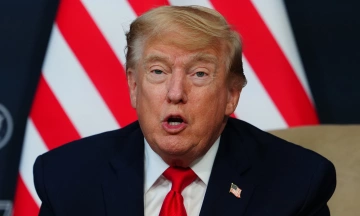
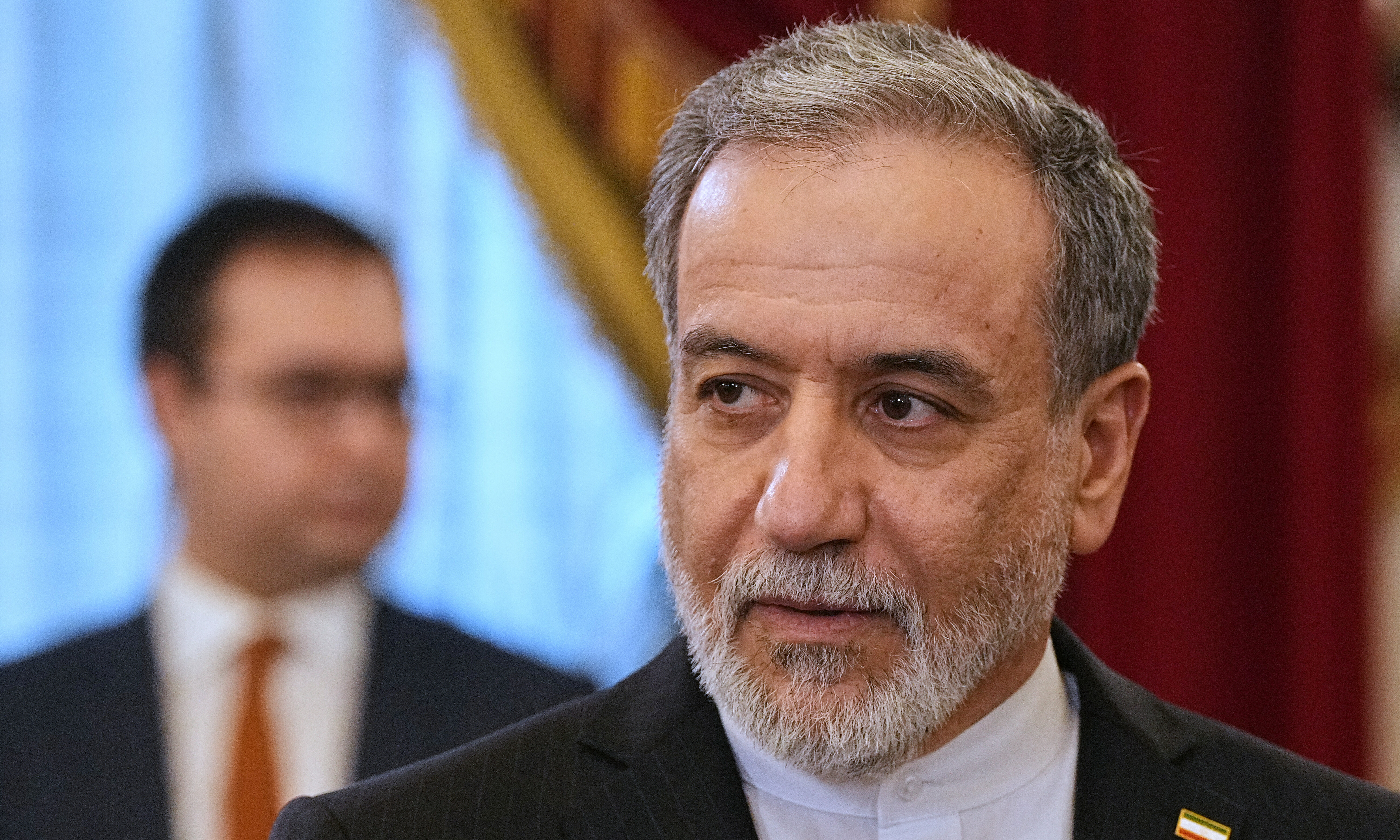
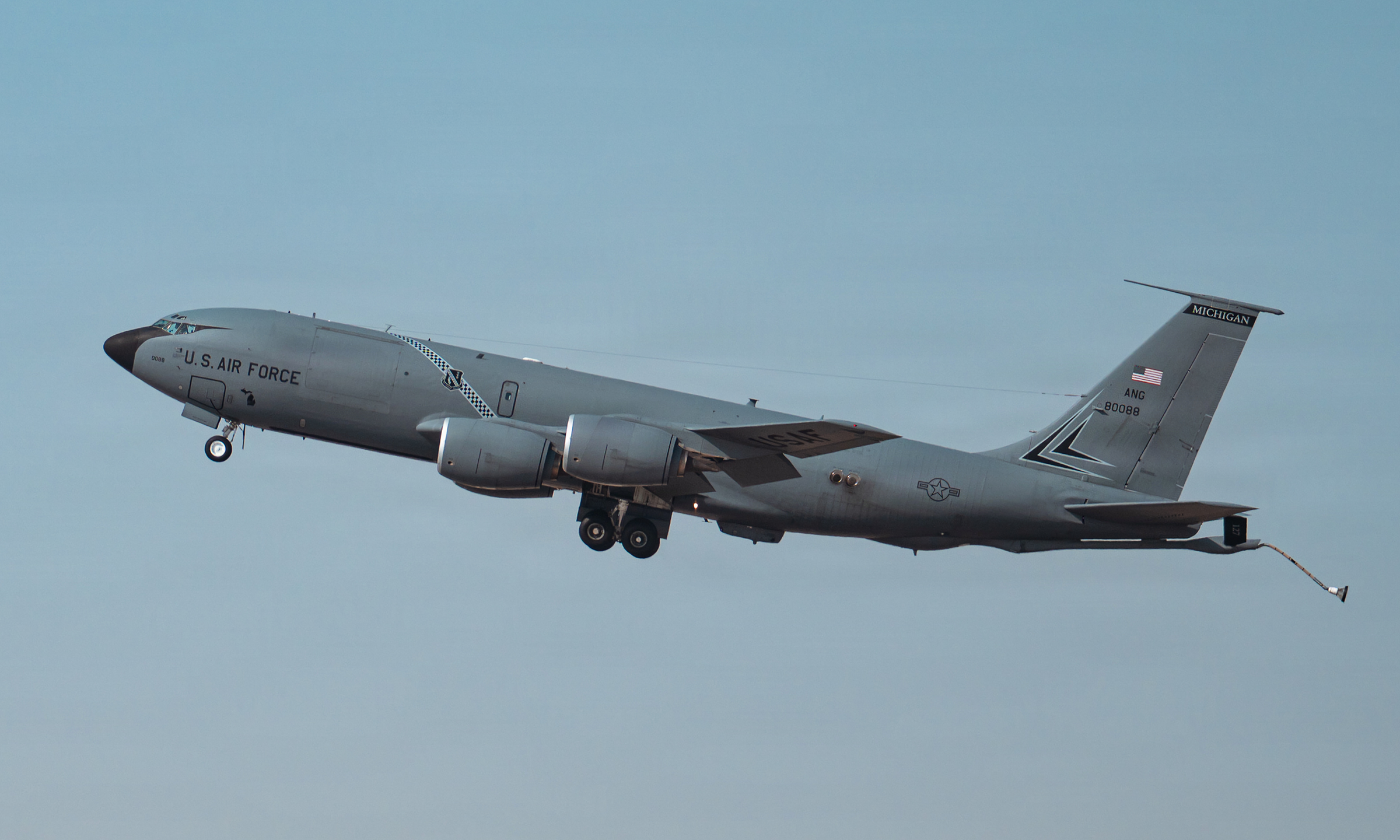
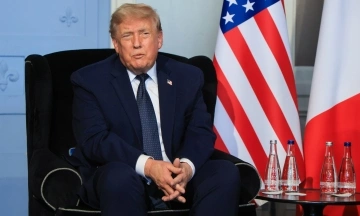
At 5 p.m. on 14/6, as fighters for the UFC Freedom 250 Championship began their warm-ups and guests arrived at the massive fight tent on the White House South Lawn, President Donald Trump electronically signed the document ending the 15-week conflict with Iran, coinciding with his 80th birthday.
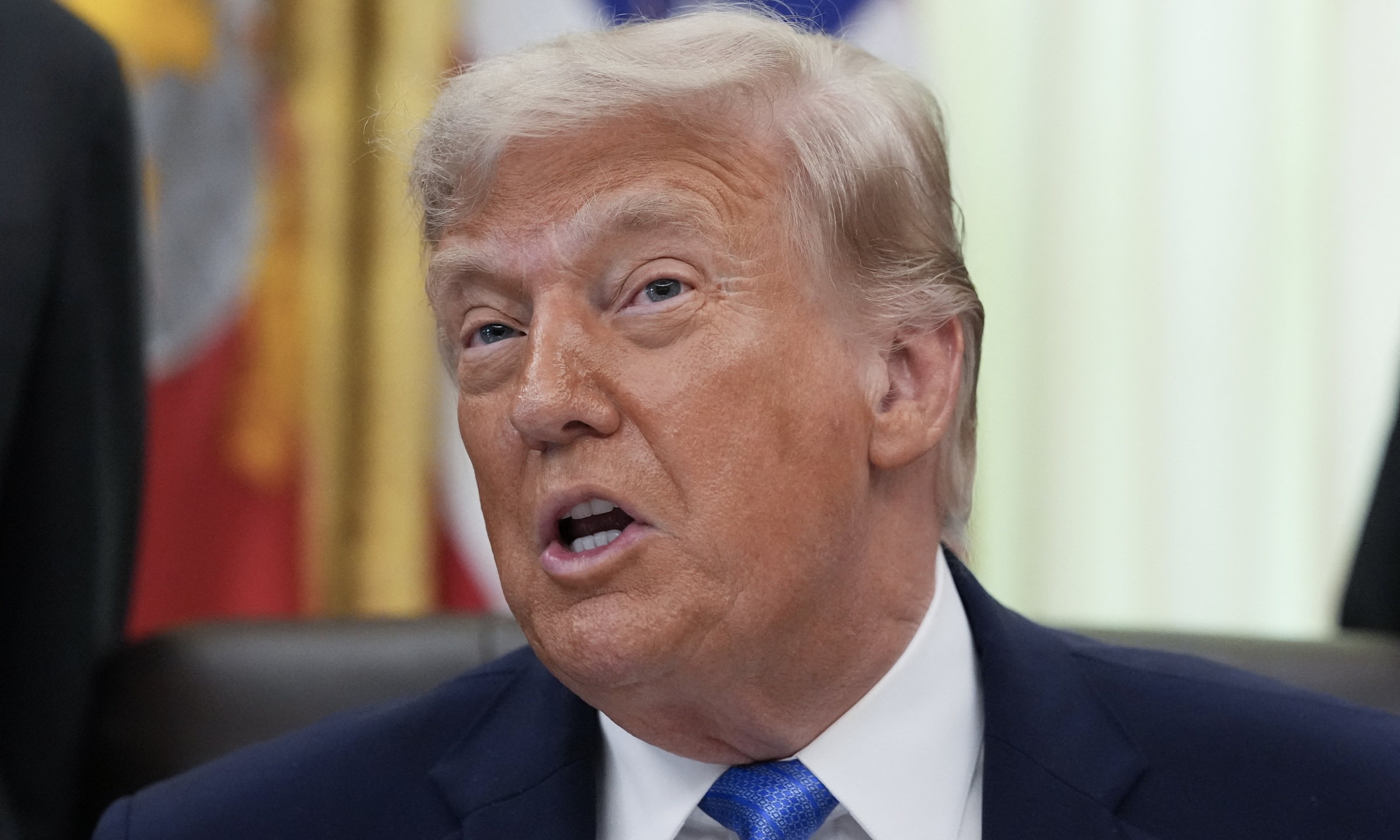 |
President Donald Trump in the Oval Office, White House, on 10/6. Photo: AFP
According to sources familiar with the matter, on his 80th birthday, Trump received congratulatory calls while engaging in urgent discussions with senior aides and foreign leaders to finalize the deal with Iran.
During conversations with allies, interactions with the press, and a phone call with Russian President Vladimir Putin, Trump enthusiastically announced that the agreement with Iran was imminent. He also expressed excitement about the special martial arts event scheduled for that evening at the White House, repeatedly asking if people would attend.
However, reaching that historic moment required days of intense negotiations to salvage the agreement from a last-minute collapse.
Five chaotic days
According to a senior administration official, the President had been pushing for the announcement of the deal for several days to quickly conclude the conflict.
The announcement of the agreement with Iran marked a notable turning point after five chaotic days, which began on 9/6 when a US Apache helicopter crashed near the Strait of Hormuz after colliding with an Iranian unmanned aerial vehicle (UAV). This incident prompted President Trump to resume airstrikes against Iran, leading to Tehran's retaliation and plunging the region into turmoil.
Earlier, he repeatedly questioned his advisors on whether Iran's peace proposal would genuinely prevent the country from developing nuclear weapons. When informed that the concessions were insufficient, the President chose to maintain pressure rather than accept a compromise.
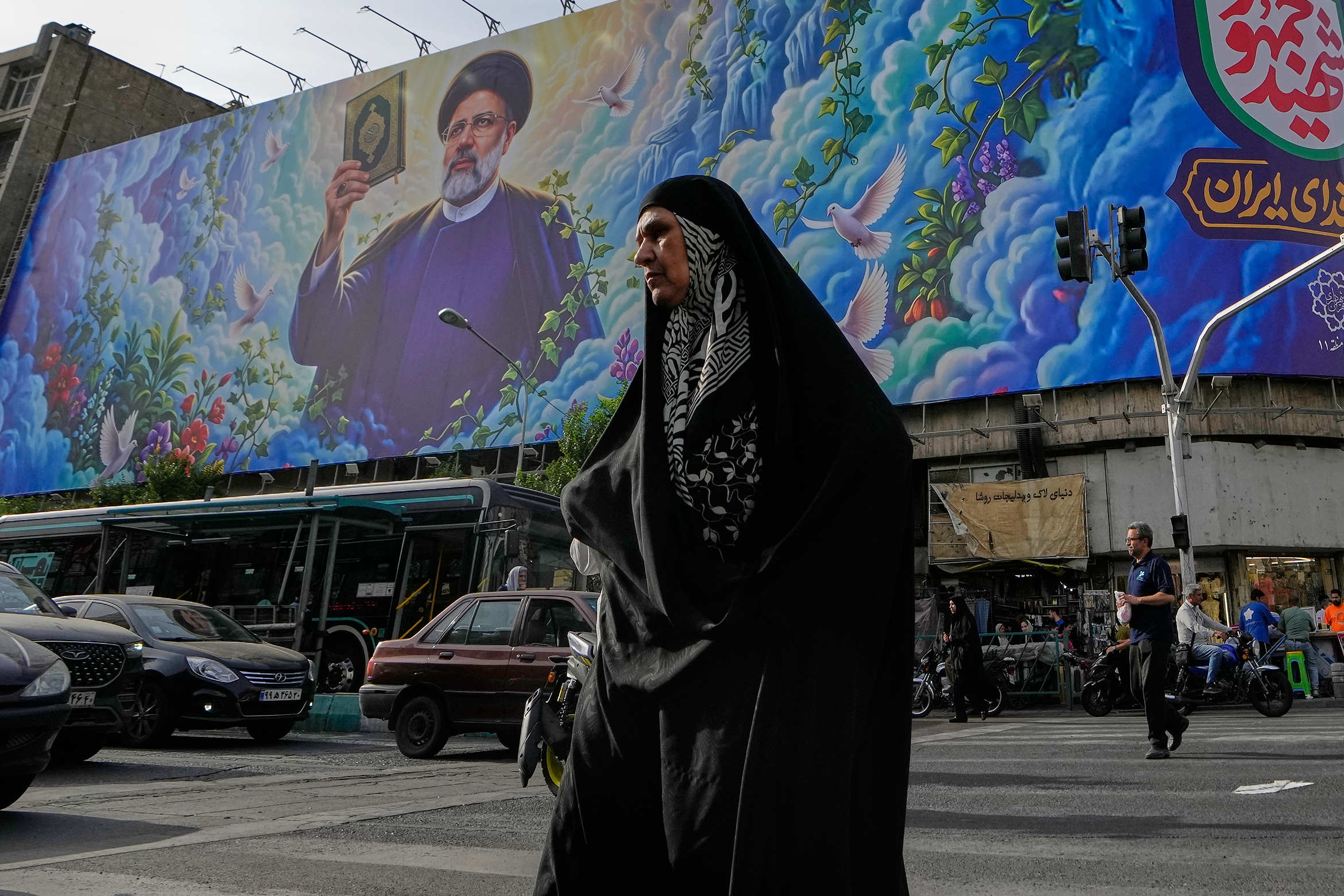 |
An Iranian woman crosses an intersection in central Tehran on 28/5. Photo: AP
However, when Qatari mediators returned from Tehran with a new draft agreement on 10/6, US officials had to admit that this document was the most viable outcome achievable, even if it wasn't exactly what they desired. The terms were similar to a proposal that Secretary of State Marco Rubio said had been discussed in may.
Trump later stated he had canceled further attacks on Iran, announcing that Tehran's leadership had accepted the draft, which would extend the ceasefire, reopen the strait, and initiate 60 days of nuclear negotiations.
On the evening of 11/6, he called Israeli Prime Minister Benjamin Netanyahu and informed him that he would sign the agreement with Iran within the next few days.
By 13/6, President Trump declared that the agreement would be signed the following day, while also warning that if things didn't work out, "we still have a last resort, but hopefully we will never have to use it."
This comment sparked concerns that the President was alluding to the use of nuclear weapons, though US officials insisted he was merely reminding the Iranian government that the United States could continue its attacks.
Last-minute trigger and salvage efforts
Even as Trump attempted to convey that the deal was certain to succeed, Israel intensified its military campaign against the Iran-backed Hezbollah group in Lebanon. On the morning of 14/6, the day President Trump promised the agreement would be signed, the Israeli military launched an airstrike on Dahiyeh, a Hezbollah stronghold in south Beirut's suburbs. Lebanese officials reported that the attack killed three people and injured 15.
This move threatened to derail the US-Iran agreement in its final hours. Iranian officials declared Israel's attack as proof that the United States was unable or unwilling to restrain its closest ally, threatening immediate retaliation. Faced with this situation, senior Qatari officials immediately flew to Tehran to meet with Iranian officials and worked to salvage the agreement in 16 hours of negotiations.
While staff prepared dressing rooms for UFC fighters in the Eisenhower Executive Office Building on the morning of 14/6, President Trump and his top advisors continued their efforts to push the agreement to completion.
Israel's attack "should not have happened", Trump posted on Truth Social in an unusually public and blunt criticism of Prime Minister Netanyahu. "Don't mess things up!", he urged both sides.
"They have to shoot back and then he shoots back, and things in the Middle East never end. Bibi shouldn't do that", President Trump told WSJ on the afternoon of 14/6 after concluding a phone call with Prime Minister Netanyahu, using the Israeli leader's nickname.
Despite hardline factions within the Iranian government opposing the agreement, they offered no alternative solutions. Ultimately, Iran agreed to sign the terms. Iranian Parliament Speaker Mohammad Bagher Ghalibaf, along with President Trump and Vice President JD Vance, electronically signed the memorandum of understanding.
Three hours after the signing, Trump, accompanied by UFC CEO Dana White, emerged from the Oval Office to cheers from over 4,000 spectators. In the crowd below, Vice President Vance and Steve Witkoff, two of the deal's key negotiators, embraced.
Ghalibaf is expected to fly to Geneva on 19/6 to attend the official signing ceremony with the United States.
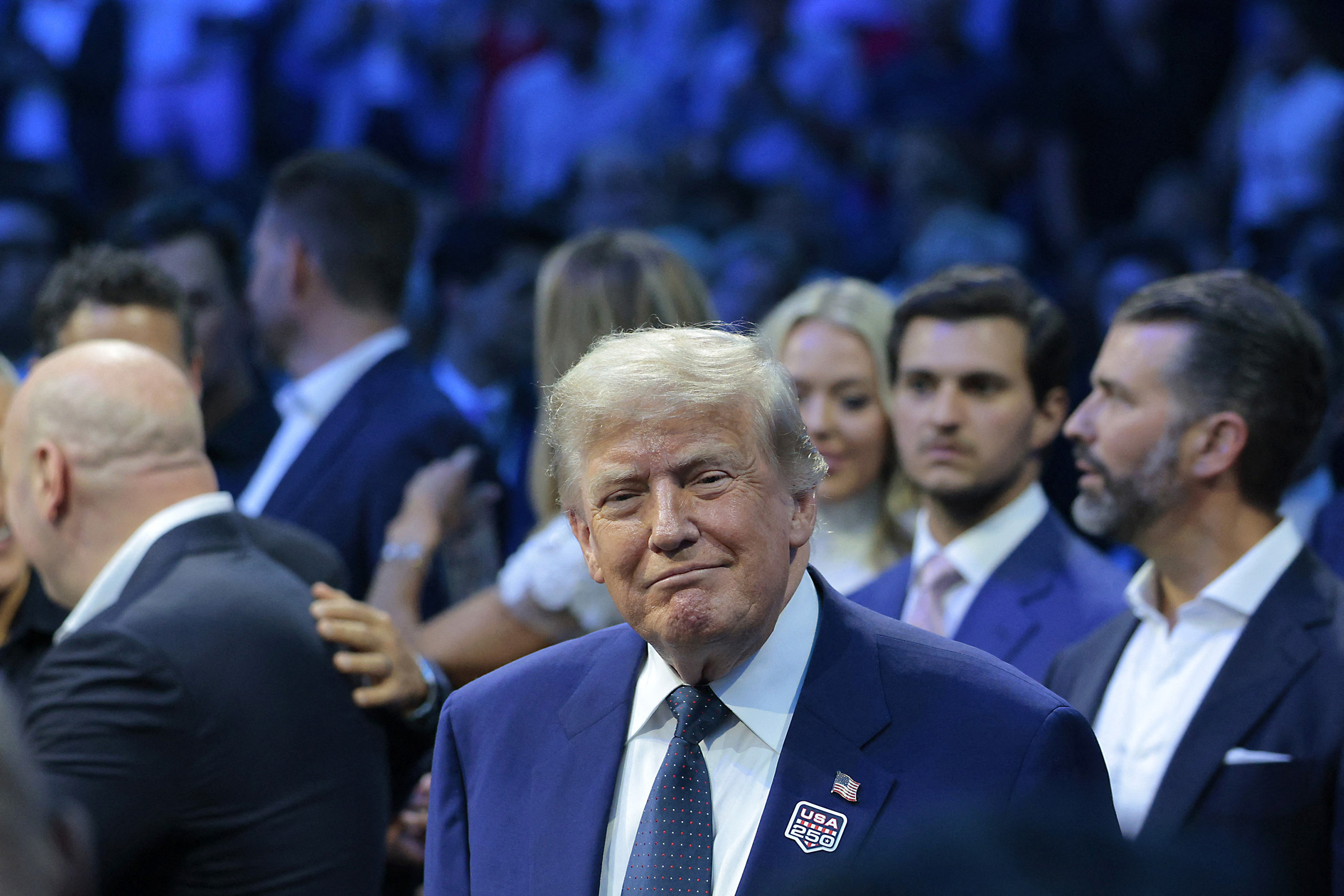 |
President Trump watches the UFC Freedom 250 event on the White House South Lawn on 14/6. Photo: AFP
A precarious deal
President Trump's announcement of a "great deal that brings peace and security to the entire region" surprised some of his own senior aides, who believed the terms were still under discussion. Neither side has yet released the one and a half-page agreement document, though US officials stated the administration would do so in the coming days.
In public posts on 14/6, President Trump attempted to transform an unreleased memorandum into a resounding public victory, even as aides worked to prevent parties from sabotaging the agreement.
A document sent by the White House to political allies described the preliminary agreement with Iran as a victory for the American people, making them safer, lowering gas prices by reopening the Strait of Hormuz, and avoiding another "endless war."
The document also asserted that President Trump's economic and military campaign had weakened the Iranian government and led to the complete collapse of its nuclear program.
However, the terms of the agreement are much narrower in scope than the "unconditional surrender" demanded by the President after launching a military attack on Iran on 28/2.
According to US officials, Iran will reopen the Strait of Hormuz, and the United States will lift its blockade on Iranian ports and maritime activities. The ceasefire will be extended for 60 days to allow both sides to negotiate on Tehran's nuclear program.
Meanwhile, Iranian state media reported that the agreement requires Israel to withdraw its troops from Lebanon, while Tehran retains control of the Strait of Hormuz without committing to any new restrictions on its nuclear program.
On 14/6, President Trump described those objectives in a more limited way, telling WSJ that he "never cared about changing the Iranian government," even though at the start of the campaign, he had called on the Iranian people to reclaim control of their country and promised US support.
The President also asserted that "nuclear dust in Iran is harmless," despite previously stating that the United States needed to seize and destroy it immediately. He indicated that he was ready to end the war, and so was Iran.
This shift left the public confused, as no one was clear about the specifics of his agreement with Iran. Even some Republican members of congress and hardliners on Iran worried that the new terms would ease economic pressure on Tehran without resolving the key nuclear issue.
"Everyone is wondering. No one has seen that agreement yet", said Republican Senator James Lankford.
Vu Hoang (According to WSJ, AFP, Reuters)