The US military conducted intensified airstrikes in Iran on 8/7, aiming to further degrade Iran's ability to threaten freedom of navigation in the Hormuz Strait. Central Command (CENTCOM), the agency overseeing US military operations in the Middle East, announced the action on X, stating it was "following directives from the commander-in-chief."
CENTCOM did not specify the targets hit but held Iran responsible for recent attacks on commercial vessels transiting through Hormuz. US President Donald Trump reinforced this stance, writing on Truth Social, "This is in response to Iran's attack on ships yesterday. If this happens again, the consequences will be far more severe."
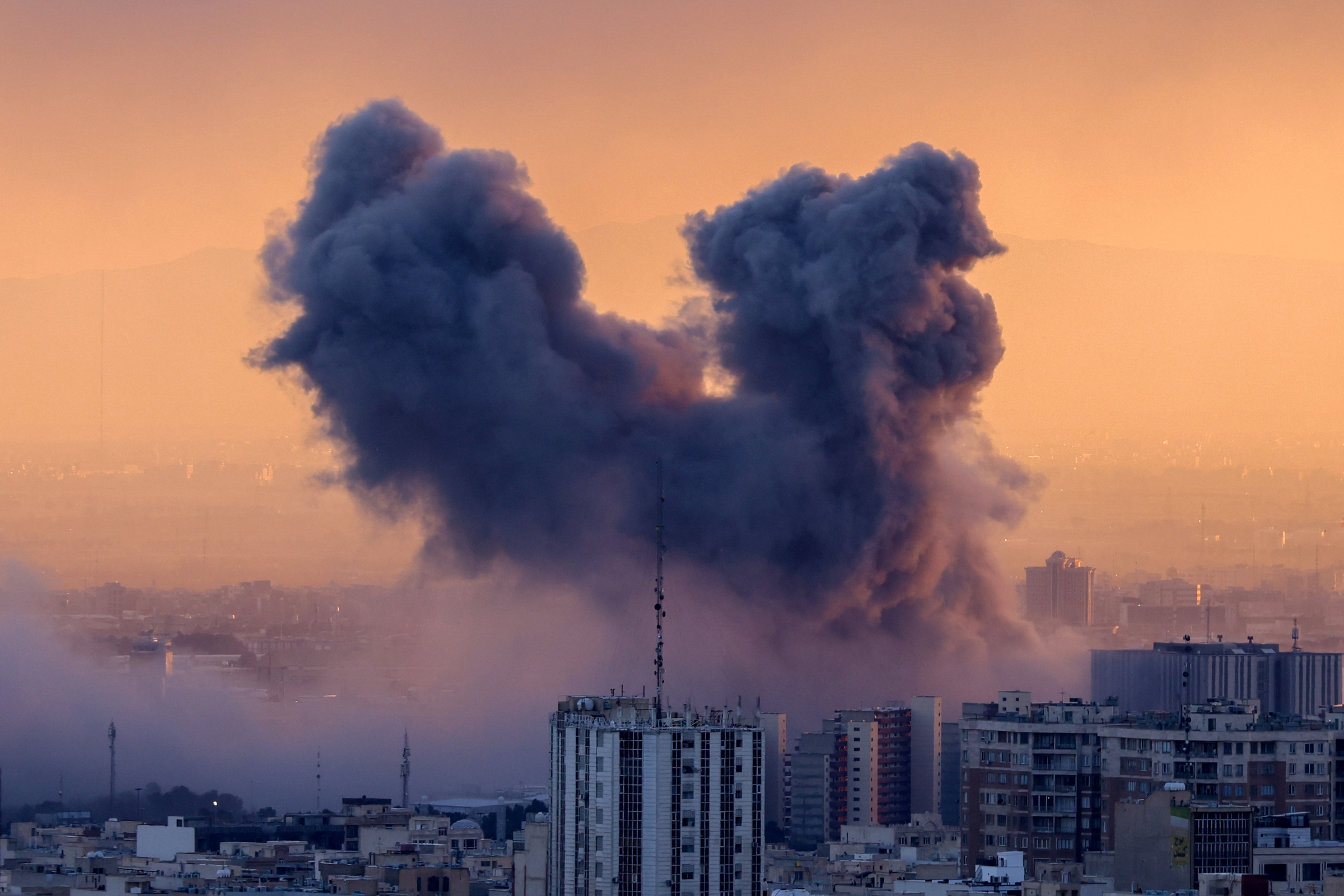 |
Smoke rises from an airstrike site in Tehran, Iran on 3/3. *AFP* |
The new wave of strikes occurred shortly after President Trump declared the US-Iran ceasefire over on 8/7. "Negotiating with them is just a waste of time," the White House chief stated at a NATO summit in Turkey when asked if the ceasefire agreement with Iran was still in effect.
Iran, through its IRNA news agency, reported multiple explosions along the country's southern coast. The port cities of Bandar Abbas, Konarak, and Chabahar were shaken, with a portion of Chabahar experiencing power outages. Fighter jet sounds were also heard near Kish Island.
Mehr News reported additional explosions in Iranshahr, southeast Iran. Nournews, a news site linked to Iran's Supreme National Security Council, stated that Tehran is preparing to launch a "large-scale attack" on US military bases in the region in retaliation.
Iran believes key parts of the memorandum signed by both sides in mid-June are nullified following Trump's statement, warning the US of "dangerous consequences" from this action. Mohsen Rezaee, military advisor to Iran's supreme leader, warned that "enemies will pay a heavy price" for attacking the country.
Tehran called on its Persian Gulf neighbors to "fulfill international legal obligations and prevent their territories and facilities from being used to launch attacks against Iran." The country declared it would not hesitate to defend its territorial integrity, sovereignty, and national security, ready to retaliate against the source of any aggression.
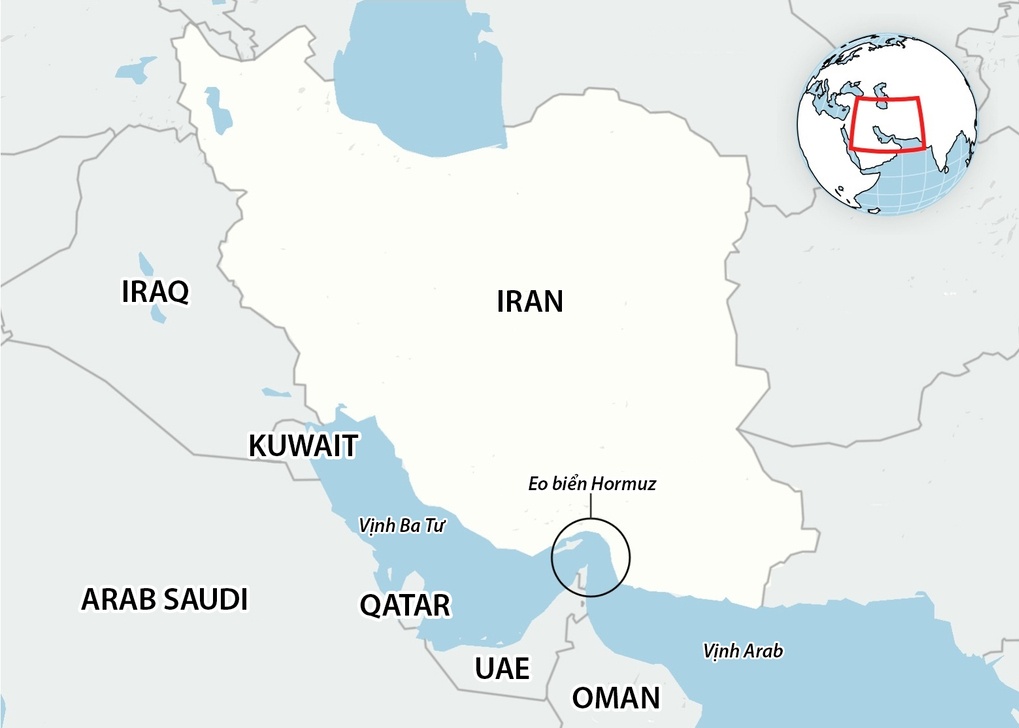 |
Location of the Hormuz Strait. *Graphic: Guardian* |
On the night of 7/7, the US military also struck over 80 targets in areas within and near the Hormuz Strait. This was in retaliation for "Iran targeting commercial vessels transiting the Hormuz Strait." Iranian media reported multiple explosions along the country's southern coast in the early hours of 8/7 following these strikes.
In response, Iran's Islamic Revolutionary Guard Corps launched missiles and drones at US military targets in Kuwait and Bahrain. They threatened to expand the scope of attacks if Washington "continues its aggression."