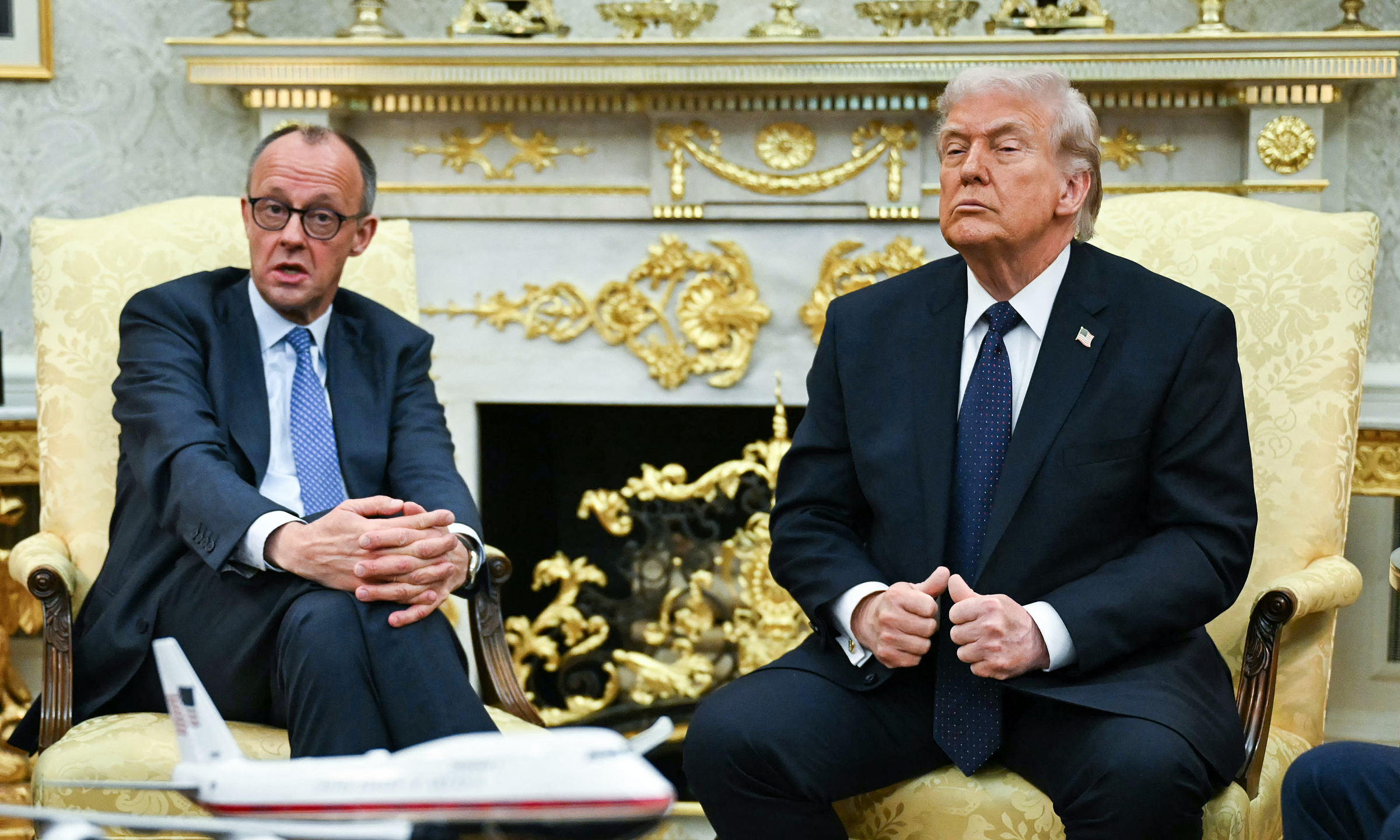
"I am not an intelligence officer, so I cannot disclose that information. However, I can state that during a phone call with President Donald Trump earlier this week, Russia affirmed it is not sharing intelligence with Iran. They stated this, and we can trust it," US envoy Steve Witkoff said on 10/3.
White House press secretary Karoline Leavitt stated on the same day that President Trump and envoy Witkoff conveyed a message to Russia, indicating that "the US would be displeased" if Russia shared intelligence with Iran. She added, "They also hope that does not happen."
The Kremlin declined to comment on whether the US had issued a warning to Russia regarding intelligence sharing with Iran.
 |
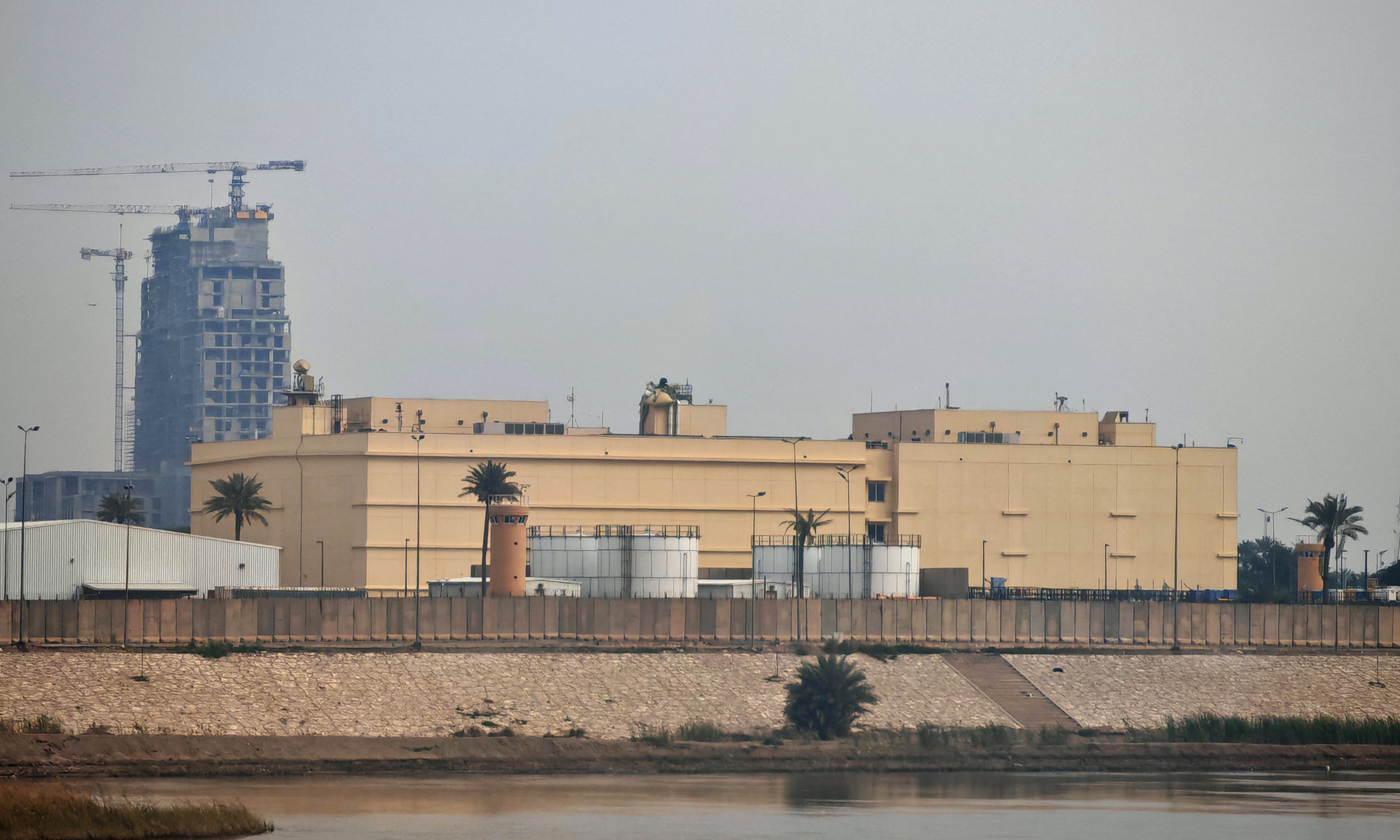
Smoke rises after Iran's missile attack on the headquarters of the US Navy's 5th Fleet in Bahrain on 28/2. Photo: AFP
The Washington Post reported earlier last week, citing sources, that Russia is providing intelligence to Iran regarding the location of US military assets in the Middle East, including warships and aircraft.
Iran possesses few military satellites and lacks its own satellite network. Dara Massicot, a Russian military expert at the US-based Carnegie Endowment for International Peace, noted that Tehran is conducting precise attacks on early warning radar networks and the command infrastructure of Washington and its allies.
Nicole Grajewski, a specialist in Iran-Russia cooperation at the Belfer Center at Harvard Kennedy School, observed that Iran's retaliatory attacks demonstrate high sophistication. "They are penetrating air defense systems," she stated, noting that Iran's attack effectiveness appears improved compared to past conflicts.
At least 8 US soldiers have died since the conflict began. 6 were killed in a drone (UAV) attack on a US operational center in Kuwait on 1/3. An Iranian UAV also struck a Central Intelligence Agency (CIA) facility inside the US embassy in Saudi Arabia on 2/3.
Iran's retaliation has also destroyed several radar stations, including the AN/TPY-2, part of the THAAD complex deployed by the US and its allies in the region.
Iran's successive attacks are significantly pressuring the air defense networks of the US and its allies in the Middle East. Observers suggest that Patriot complexes in the region face a risk of depleting interceptor missiles, with limited ability to replenish stockpiles.
Tehran and Moscow have maintained close relations. The US and European countries have accused Iran of supporting Russia in the Ukraine conflict. Conversely, Russia criticized the US and Israel for conducting "dangerous and irresponsible attacks" on Iran, an action Moscow believes is pushing the entire Middle East into the abyss.
Huyen Le (According to AFP)