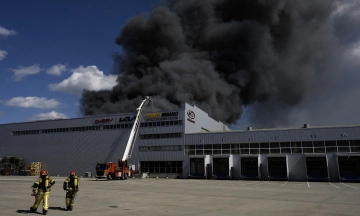
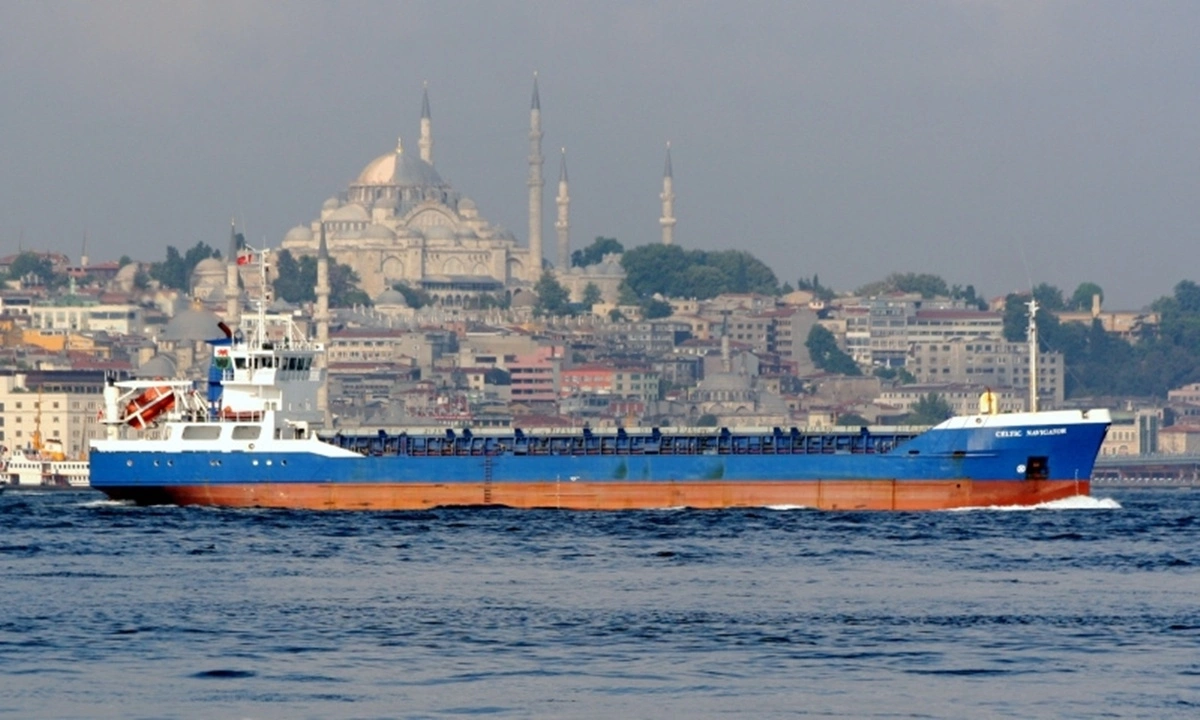
CNN reported on 2/9, citing two US officials familiar with the matter, that the operation took place on 1/9 amidst exchanges of fire between Washington and Tehran. "Most, if not all, of the oil tankers turned off their transponders during transit", one official stated.
This marks the largest volume of oil transported through the Strait of Hormuz since the Middle East conflict erupted. Before the war, approximately 20 million barrels of oil were transported through the Strait of Hormuz daily.
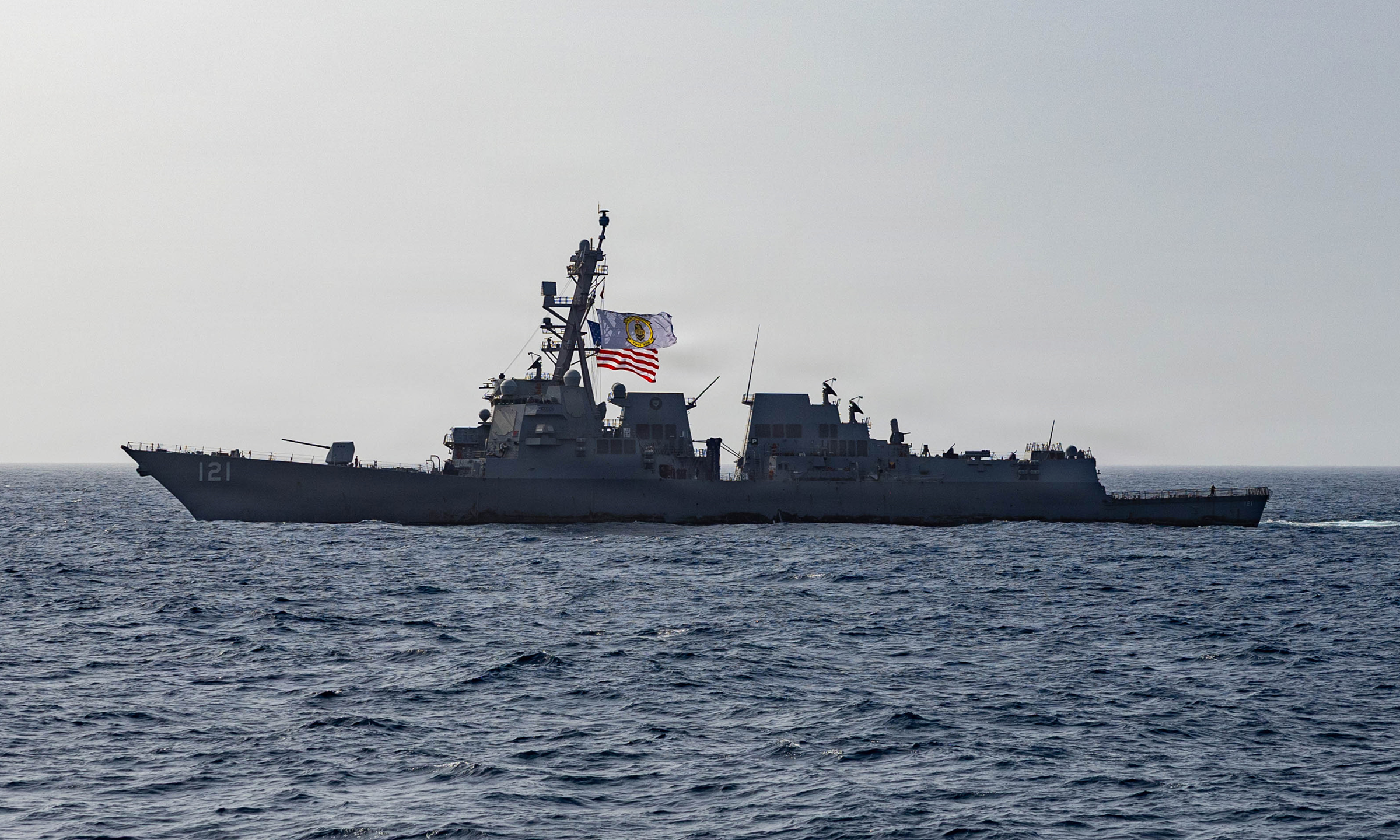 |
The US destroyer USS Frank E. Petersen in the Arabian Sea on 27/6. Photo: US Navy
According to the two officials, the US utilized various air, maritime, and space-based assets to target "Iranian assets used to target merchant ships in the Strait of Hormuz", and to intercept unmanned aerial vehicles (UAVs) deployed by the adversary. US forces also neutralized Iranian anti-ship cruise missiles during the escort operation.
Officials did not specify the assets used for the escort mission, but US forces deployed in the Middle East include several Arleigh Burke-class destroyers capable of countering Iranian attacks.
The two officials reported that the US military struck nearly 60 military targets around the Strait of Hormuz on 1/9. These included air defense sites, radar installations, naval vessels, mine-laying systems, and communication facilities, all while conducting the oil tanker escort mission.
President Donald Trump stated on 2/9 that in the most recent strikes, the US attacked "off-radar targets" in an effort to disable Iran's ability to monitor vessels moving through the Strait of Hormuz. "They cannot observe them because they have no radar, which we blew up. We also destroyed many other things off radar last night", he said.
US military strikes targets in Iran on 1/9. Video: CENTCOM
According to the two officials, the current US strategy prioritizes striking targets around the Strait of Hormuz, escorting merchant ships through the waterway, and maintaining a blockade of Iranian ports to exert economic pressure.
The US military anticipates continued strikes near the strait, partly because Iran has demonstrated its ability to restore military capabilities after sustaining damage. This is also part of a broader US strategy to gradually erode Iran's ability to leverage the Strait of Hormuz.
Iran and the White House have not commented on the figures released by CNN.
US Treasury Secretary Scott Bessent announced on 2/9 that over 17 million barrels of oil were transported through the Strait of Hormuz on 31/8. "That shows Iran does not control this strait", he remarked.
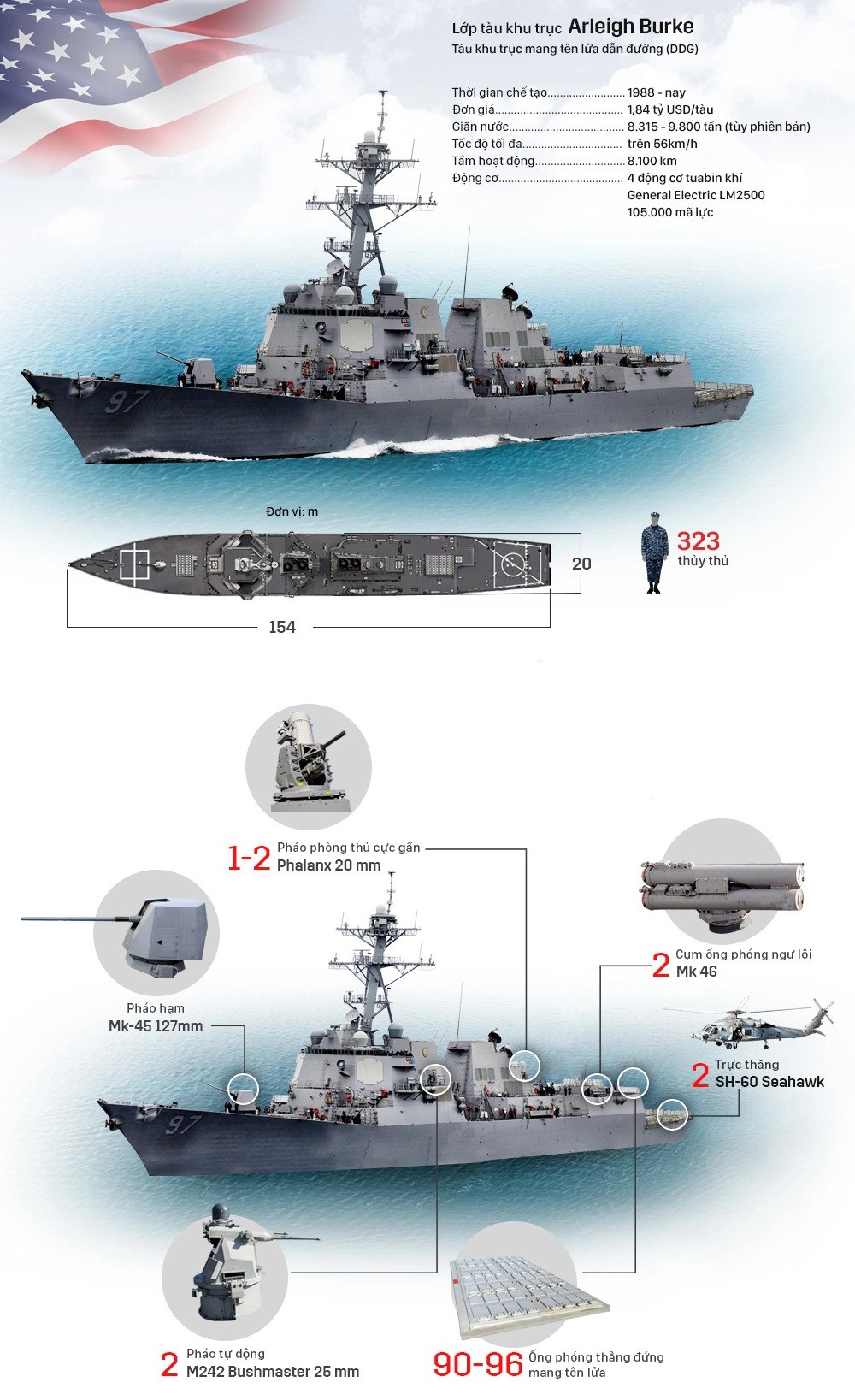 |
Basic specifications of an Arleigh Burke-class warship. Graphic: Viet Chung
US officials have repeatedly asserted that more oil is transported through the Strait of Hormuz than publicly reported, as an increasing number of vessels turn off their transponders to avoid tracking when passing through the area.
While the 1/9 operation was successful, US officials do not expect a quick resolution to the conflict. Energy companies remain concerned about the significant risks of operating ships through the Strait of Hormuz, even with US military escorts. Energy prices also continue to remain high, causing volatility in global bond markets.
Pham Giang (According to CNN, CNBC)