Last week, the CEOs of HCA Healthcare, CommonSpirit Health, New York-Presbyterian, and ECU Health testified before the House Ways and Means Committee. They were asked to explain how their healthcare systems determine patient charges.
These systems operate extensive networks of hospitals, clinics, and services across many US states. HCA Healthcare is one of the largest hospital operators in the US, while CommonSpirit Health is a nonprofit system. New York-Presbyterian is a prominent hospital system affiliated with medical schools in New York, and ECU Health serves as a regional healthcare system in North Carolina.
During the hearing, Republican lawmakers criticized these corporations for their excessive charges. "The American people are tired of unreasonable medical bills that appear to be artificially inflated," stated Jason Smith, a Republican representative from Missouri and Chairman of the House Ways and Means Committee.
According to Health Affairs, hospitals will account for nearly one-third of total US healthcare spending in 2024, approximately USD 1.6 trillion. Another study published in JAMA Health Forum revealed that patients often pay more for the same visit if their physician works within a hospital system or for a private equity firm.
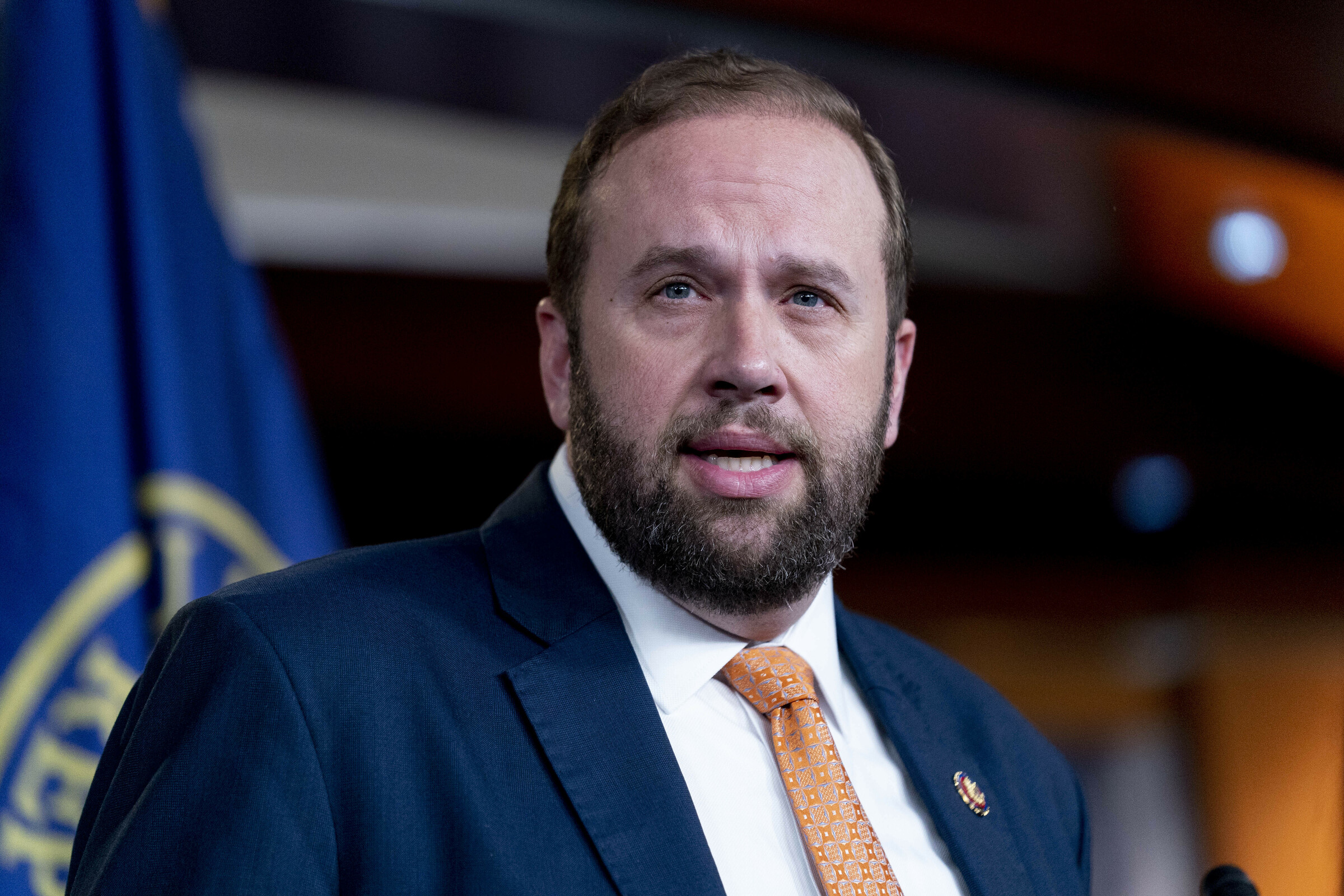 |
House Ways and Means Committee Chairman Jason Smith. Photo: AP |
Throughout the hearing, Republican lawmakers cited numerous instances of hospitals in their states charging high fees at their affiliated outpatient facilities. These prices are often inflated by "facility fees", which are not directly tied to medical care but cover costs like staffing and equipment.
Representative David Kustoff, a Republican from Tennessee, stated that an independent outpatient surgical center in his state charged USD 656 in facility fees for a colonoscopy, whereas an unnamed hospital-affiliated outpatient facility charged USD 1,222 for the same procedure.
"Your fees are almost double. Do you consider that reasonable?" Kustoff asked.
Exorbitant healthcare costs in the US
Representative Greg Steube noted that patients in his home state of Florida face significantly higher charges at hospital-owned outpatient clinics compared to private, physician-owned and operated clinics. "How do you explain this, when the services provided and quality of care show no significant difference?" Steube asked.
The CEOs explained that higher fees result from hospitals often receiving reimbursements below the actual cost of services, particularly from public programs like Medicare and Medicaid. Republican lawmakers have recently pressured for budget cuts or structural changes to programs such as Medicaid and Medicare.
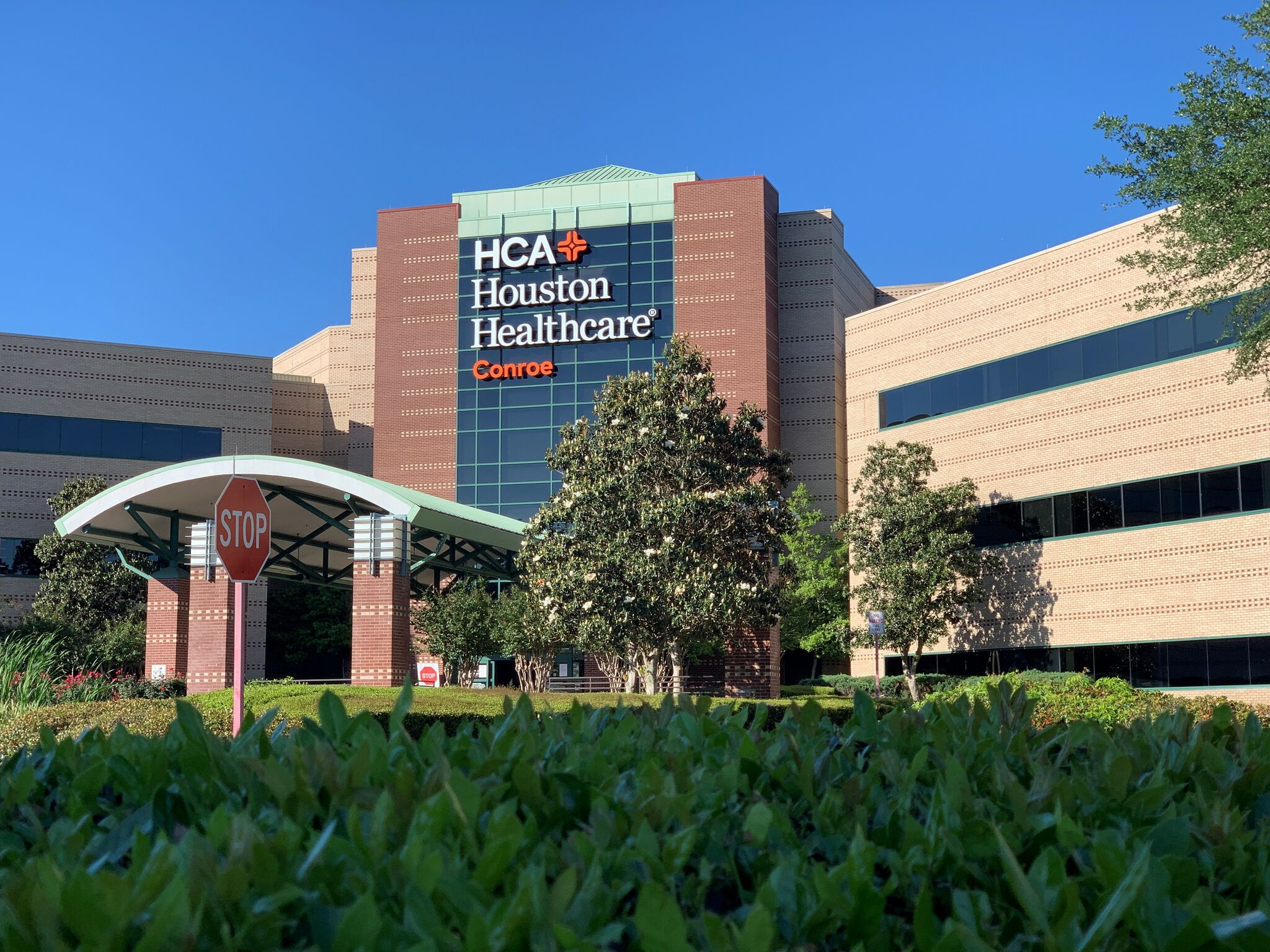 |
HCA Healthcare in Houston, Texas. Photo: Nashville Post |
They also argued that higher prices reflect superior care quality, the cost of treating complex cases, and federal mandates requiring hospitals to accept all patients regardless of their ability to pay. In contrast, private clinics and facilities generally have the right to select patients and may require upfront payment.
"We are the only entity in the healthcare value chain burdened with this obligation," stated Michael Waldrum, CEO of ECU Health. "Doctors, nurses, insurance companies, or pharmaceutical companies do not have to."
Democratic lawmakers were more reserved than their Republican counterparts when questioning the hospital CEOs. They accused Republicans of using the hearing to distract from the impact of Medicaid cuts.
While Republicans view budget cuts or stricter eligibility for Medicaid social benefits as necessary to curb public debt and budget deficits, Democrats consider this an attack on the fundamental healthcare rights of vulnerable populations.
Representative Richard Neal, a Democrat from Massachusetts and the ranking minority member on the committee, stated that Republicans "are trying to convince people that the problem lies solely with healthcare providers." "The problem also lies with many of their policies," Neal commented.
Duc Trung (According to NBC News, ABC News, FOX News)