Last week, the US Special Operations Command Pacific (SOCPAC) announced that during a live-fire drill on April 24, held in the waters west of Itbayat island as part of the Balikatan 2026 exercise, US and Philippine special forces collaborated to deploy assets to attack and sink a target ship.
According to SOCPAC, US special forces utilized an unmanned surface vessel (USV) equipped with an armor-piercing warhead to strike the target ship, puncturing its hull and weakening its structural integrity. Philippine A-29B light attack aircraft also dropped bombs on the vessel, while US P-8A reconnaissance aircraft and other Philippine aircraft continuously relayed intelligence to command headquarters.
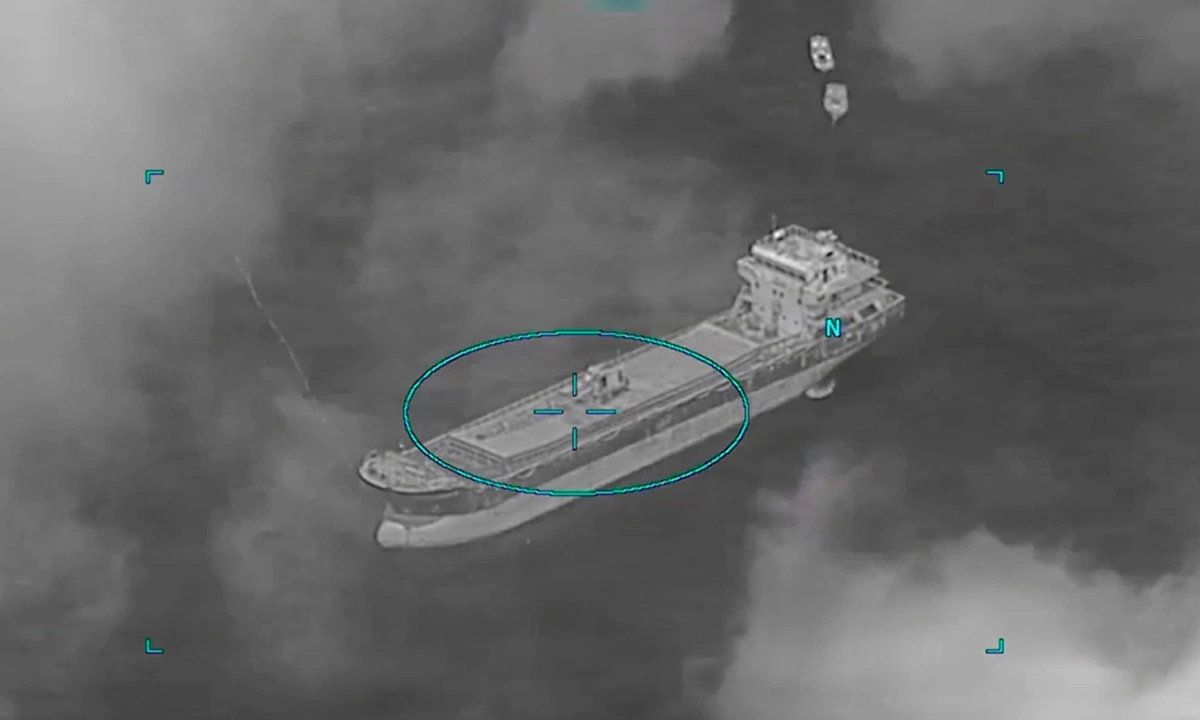 |
A suicide boat approaches the target during the exercise in northwest Philippines on April 24. *Photo: SOCPAC* |
The target ship was sunk and converted into an artificial coral reef. "Our activities aim to promote marine biodiversity, support ecosystem restoration, and provide long-term benefits to coastal communities in the region," SOCPAC stated.
The Belgium-based analysis group Army Recognition commented on May 3 that the drill was more than just a ship-sinking exercise. It also served as a practical test for how special forces can detect, locate, track, and attack maritime targets using USVs.
"The most unique aspect was US special forces employing USVs to deliver shaped charges in close proximity to the target," Army Recognition noted.
Balikatan is an annual joint exercise between the US and Philippine militaries. This year's event took place from April 11-28, involving approximately 17,000 troops, including 12,000 US soldiers.
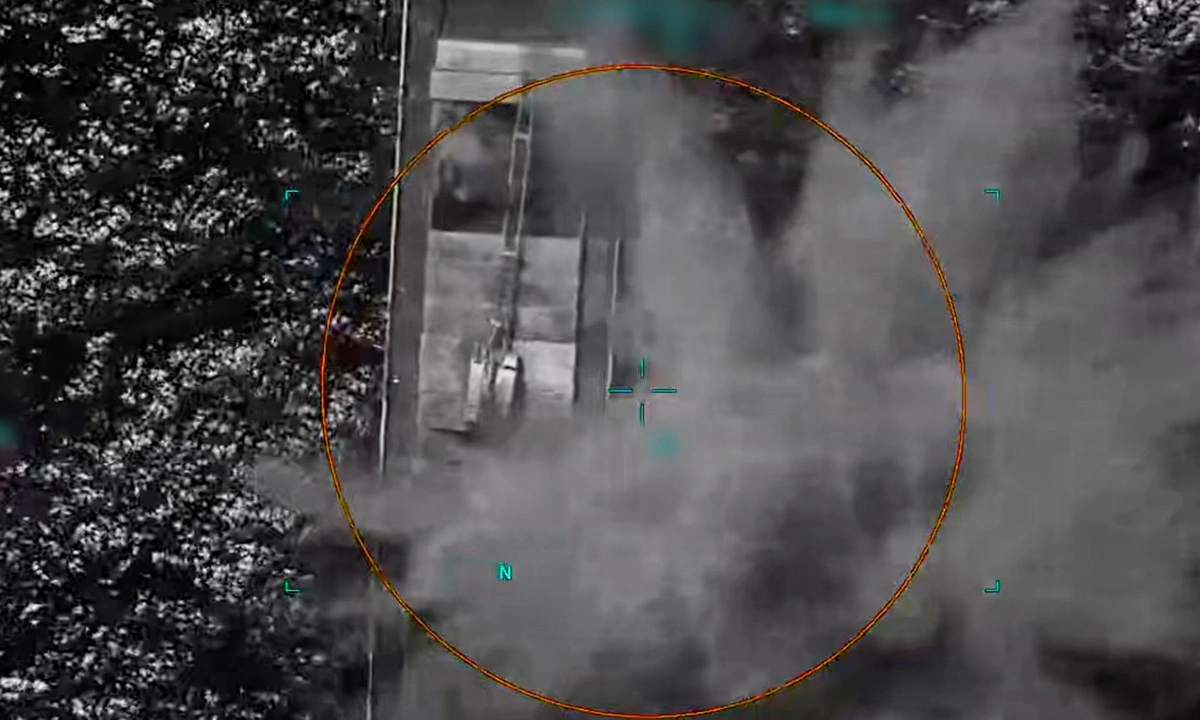 |
The target ship after being hit by a suicide boat during the exercise in northwest Philippines on April 24. *Photo: SOCPAC* |
Ukraine was the first nation to extensively use USVs in combat, after losing its warships and investing in suicide boats to attack Russian targets.
The emergence of USVs marks a new advancement in unmanned warfare. Ukraine's attacks demonstrate that a party without traditional warships can still inflict damage and disrupt one of the world's largest naval forces.
After being initially outpaced, Russia also raced to develop and began using USVs to attack various targets. Its first successful strike occurred in August 2025, when a Russian high-speed USV hit the Ukrainian navy's reconnaissance ship Simferopol on the Danube River.
During conflicts with the US and Israel, the Iranian military also deployed suicide boats to attack targets in surrounding waters. This included the oil tanker VYOM, which was struck on March 2, resulting in one fatality and the vessel catching fire.
Nguyen Tien (According to AP, AFP, Army Recognition)