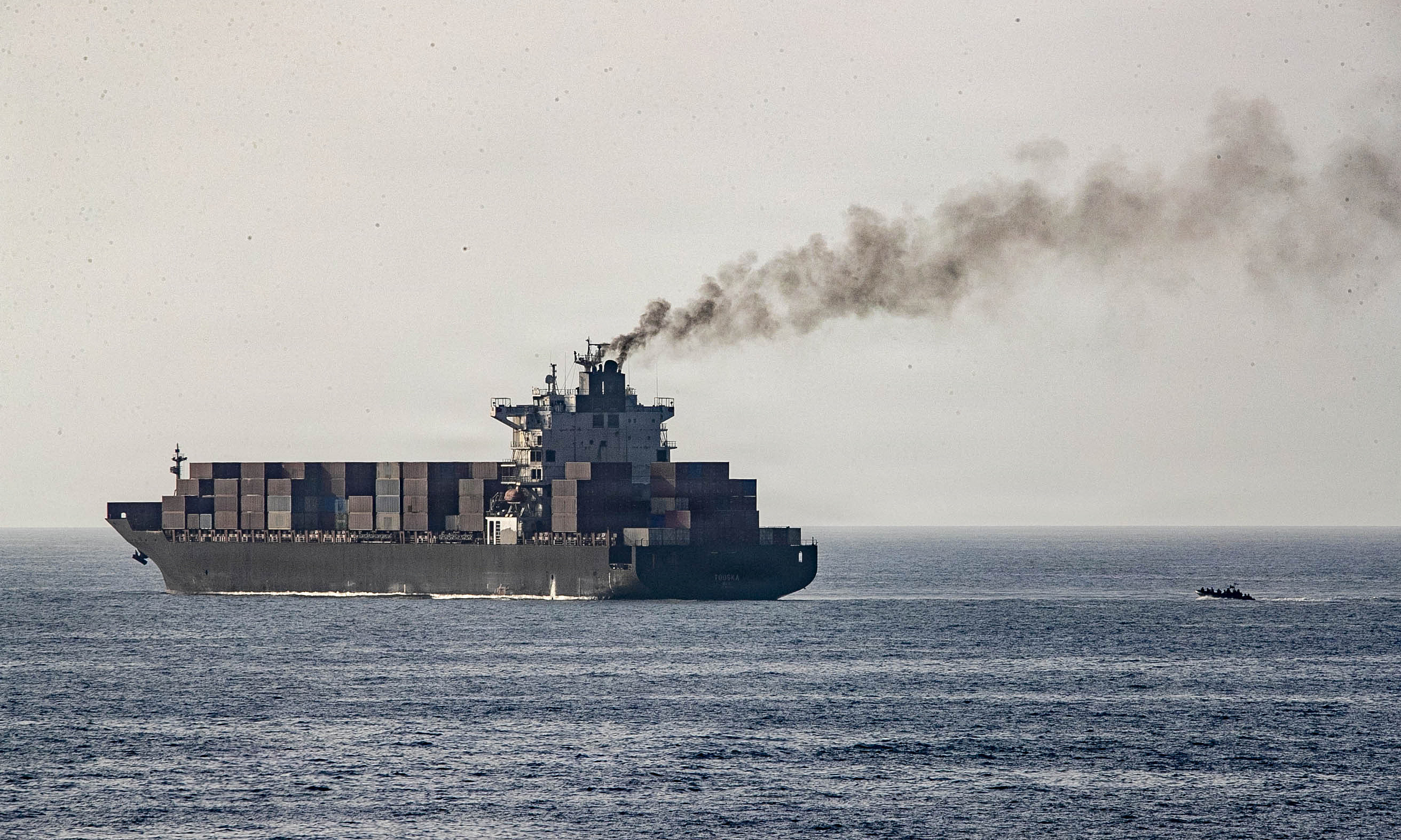
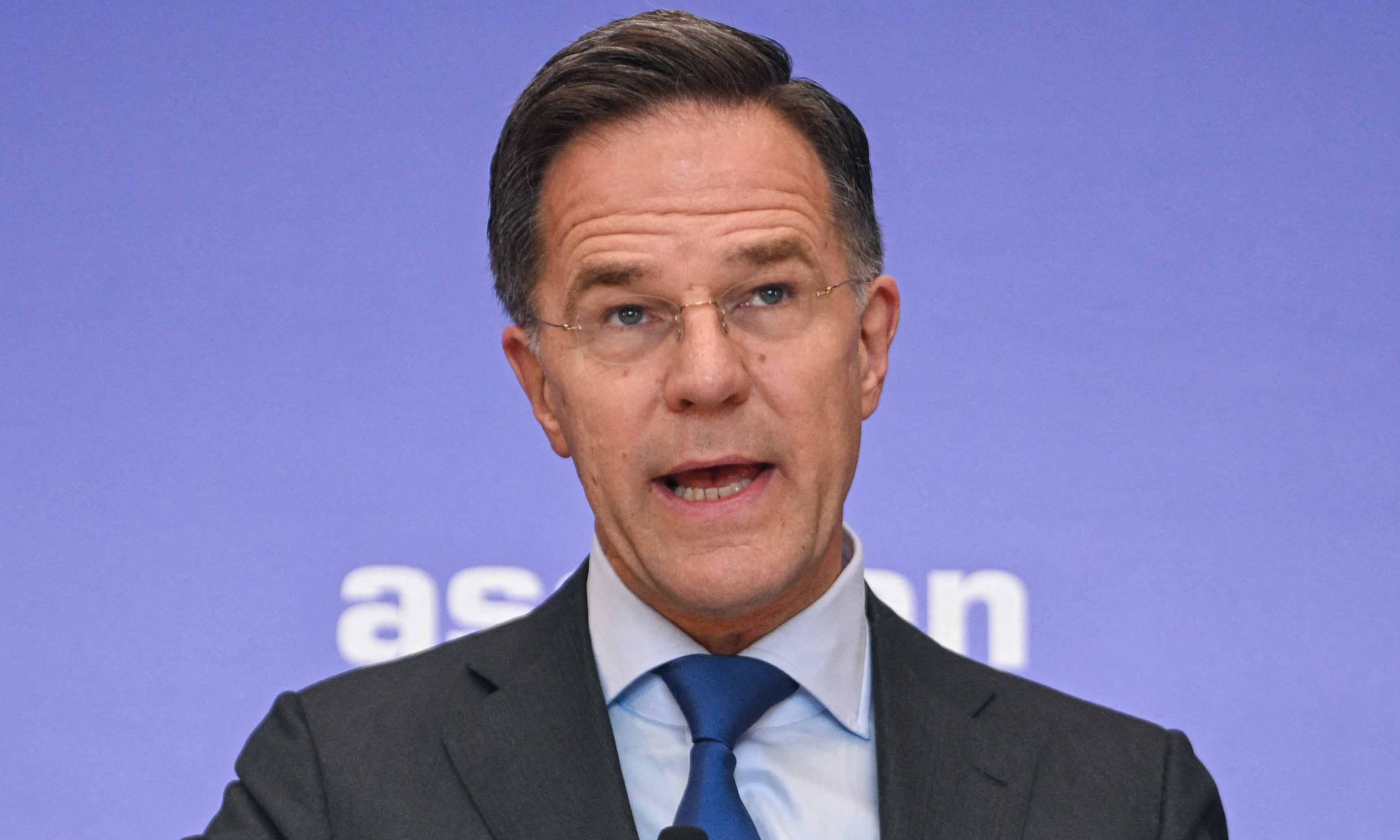
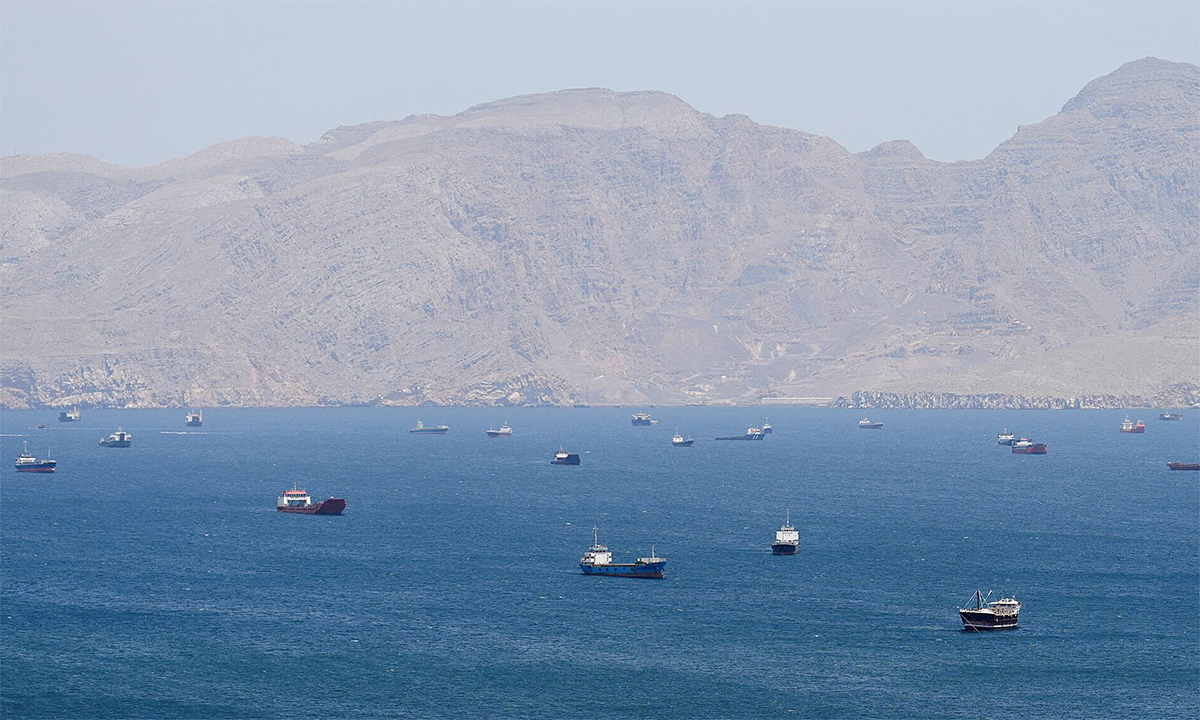
French President Emmanuel Macron stated at a meeting of European leaders in Armenia on 5/4, "If the US is ready to reopen Hormuz, that is very good. That is what we have called for from the beginning." Macron's statement followed US President Donald Trump's announcement on 3/5 to launch "Operation Freedom Project", aimed at guiding cargo ships through the Strait of Hormuz, which Trump described as "a humanitarian gesture from the US and Iran."
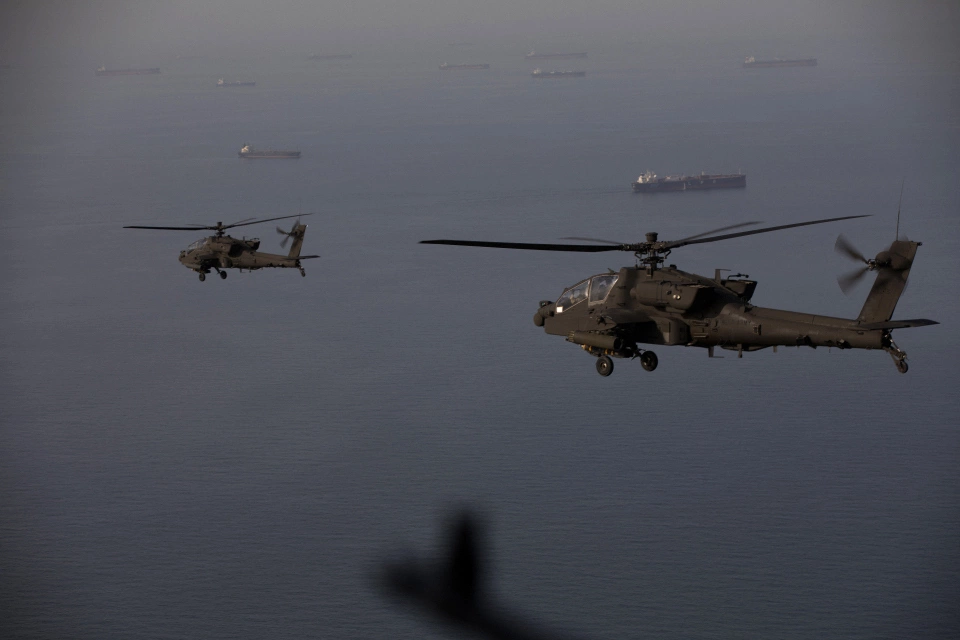 |
US military AH-64 helicopter patrols above the Strait of Hormuz on 17/4. *AFP* |
President Macron affirmed France's support for reopening the Strait of Hormuz, but stressed that Paris would not join any military operation lacking clear authorization. He stated, "First and foremost, our desire is for coordination between the US and Iran; that is the only sustainable solution to ensure unrestricted and toll-free freedom of navigation in the Strait of Hormuz."
France, alongside the UK, has spearheaded efforts to form a European coalition aimed at reopening the Strait of Hormuz, which became blockaded after the conflict involving Iran began. However, they maintained this would only proceed once the conflict concludes. Macron added that Europe is developing its own security architecture and will not participate in any military operation to reopen Hormuz within an "unclear framework." The French President stated, "Europe is determining its own destiny, strengthening its defense capabilities and security spending, and building common solutions."
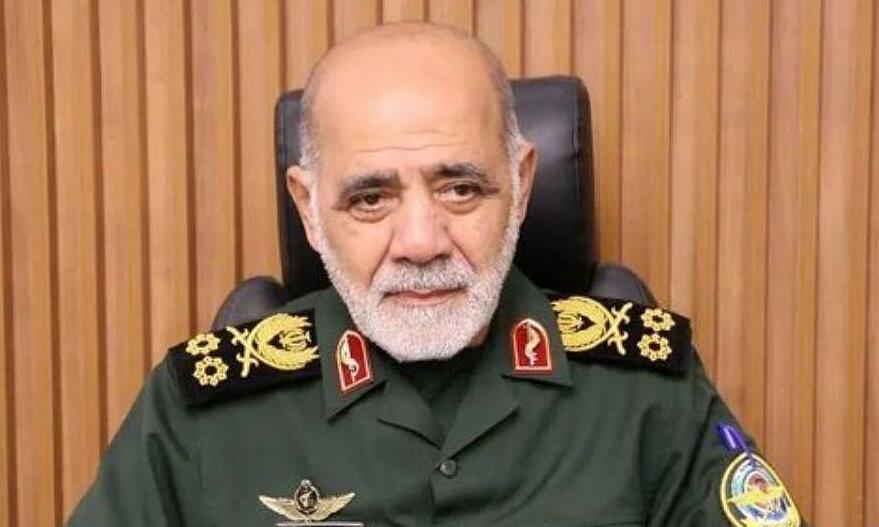
However, the prospect of US-Iran coordination to reopen the Strait of Hormuz appears distant. Ebrahim Azizi, Chairman of the Iranian Parliament's National Security Committee, warned that any US attempt to intervene in the Strait of Hormuz would be considered a ceasefire violation.
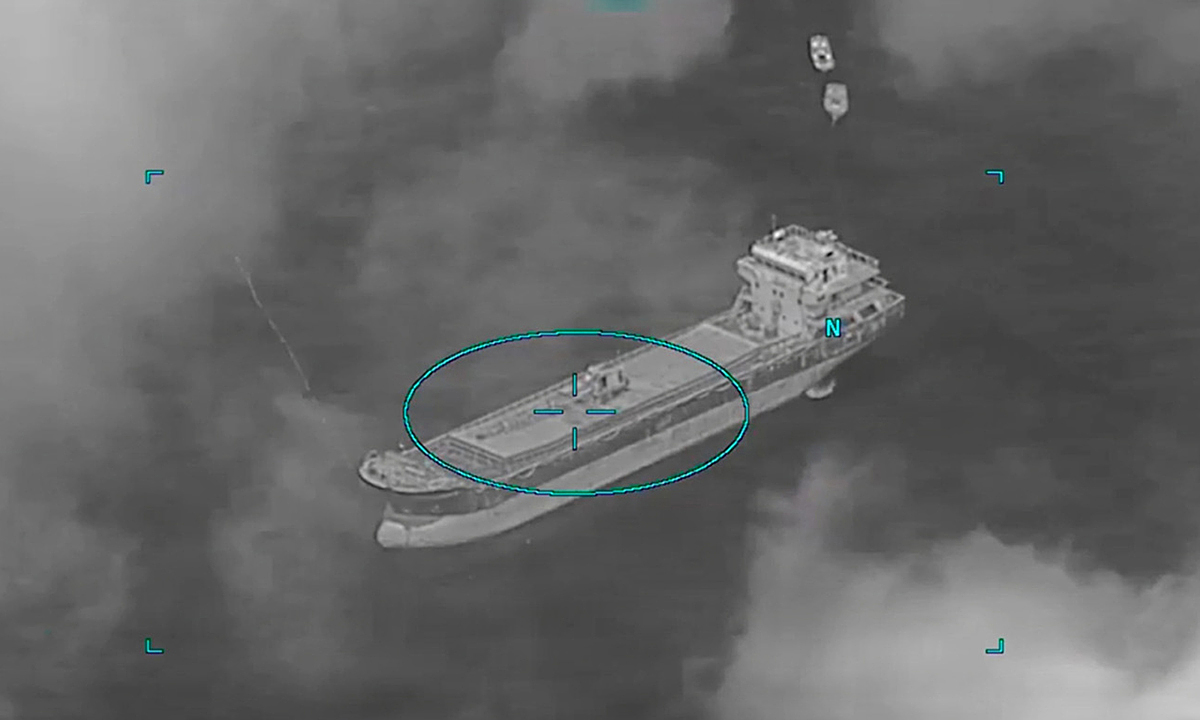
Jennifer Parker, an expert at the Lowy Institute, Australia, observed that during "Operation Freedom Project", the US military would increase its presence around the Strait of Hormuz to reassure commercial vessels, but without direct escort. Parker added that this could involve a few US navy warships and aircraft tasked with "detecting and destroying" any vessels attempting to attack commercial ships in the strait. The expert concluded, "This appears to be an operation not for directly escorting one or a few ships, but an effort to change the situation in the strait so that vessels feel safe when transiting."
However, the US has yet to announce specific measures to guide commercial ships out of the Persian Gulf. Several thousand vessels remain stranded in the area due to the Strait of Hormuz blockade, which began when the conflict erupted.
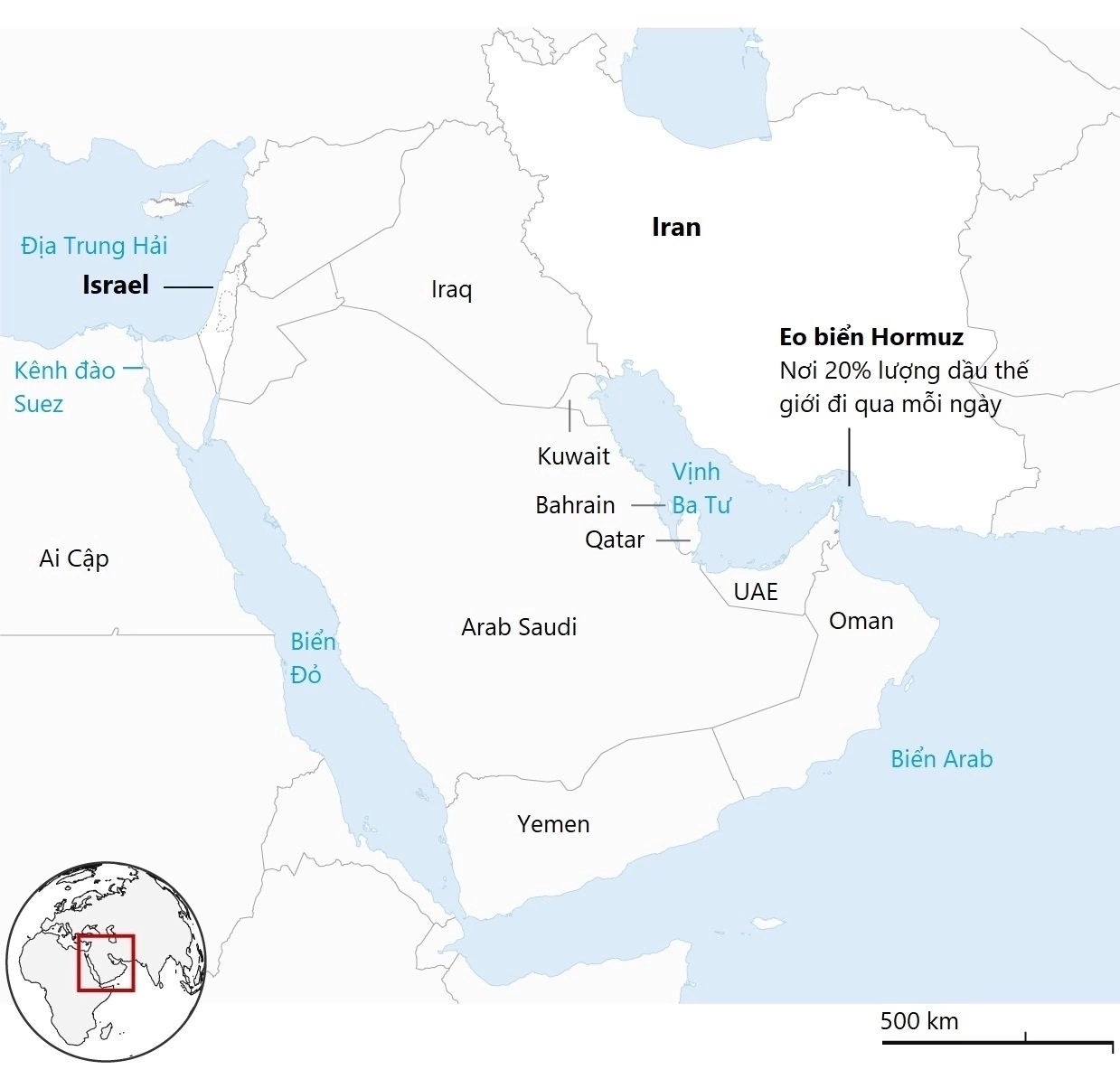 |
Strategic location of the Strait of Hormuz. *Guardian* |
Washington and Tehran maintain a ceasefire; however, the prospect of a lasting peace agreement remains unclear. During this period, the two nations continue to be at odds over issues surrounding the Strait of Hormuz. Since the conflict began, Iran has blockaded the Strait of Hormuz to most vessels, with exceptions for its own and those of certain "friendly" nations. Conversely, the US imposed a reciprocal blockade on all Iranian seaports from 13/4.
Ngoc Anh (*CNN, AFP*)