"We are investigating, because we are concerned and want to know the truth," Vice President JD Vance told reporters on 3/9. He was commenting on Iran's accusation that the US military struck a wedding in Kuhestak city, resulting in at least 5 deaths from an airstrike two days earlier.
Vance expressed skepticism about Iran's information but did not rule out the possibility of a US forces mistake. He stated that "when mistakes are made, the US military learns to try to do better," highlighting this as a big difference between the US and Iran.
The US Department of Defense acknowledged the accusation from Iran, affirming they "never target civilians."
An unnamed US official, cited by Reuters, stated that the country is considering multiple scenarios regarding the wedding casualties. These include the possibility of a US strike or a stray Iranian air defense missile.
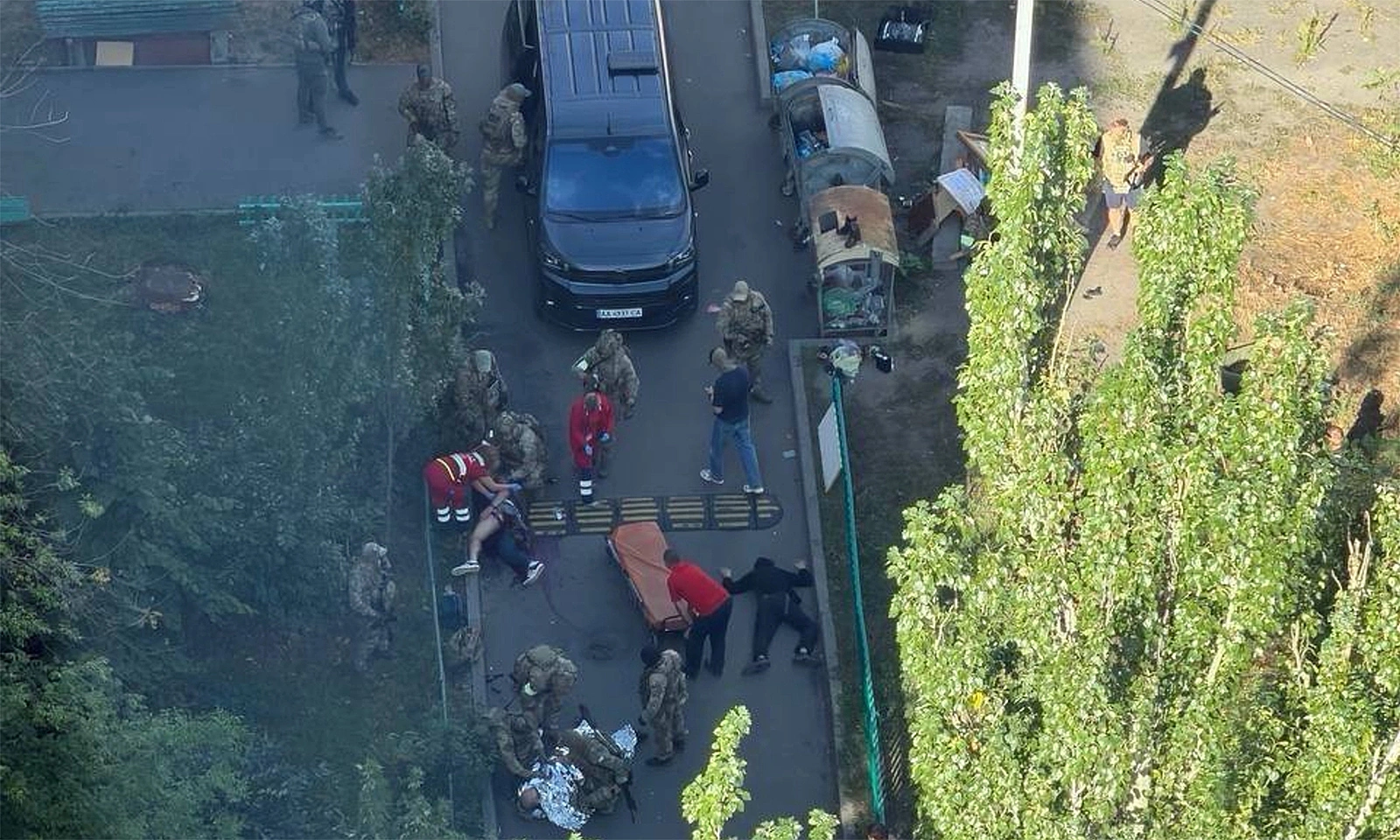
Four military experts told Reuters, based on scene images, that the wedding sustained a direct hit. They concluded it was not unintended damage from a projectile hitting another nearby target.
Three experts identified the weapon as American, not an Iranian air defense missile. One expert suggested the projectile missed its intended target. Debris collected at the scene reportedly included parts of an agm-154 joint standoff weapon (jsow) precision guided bomb.
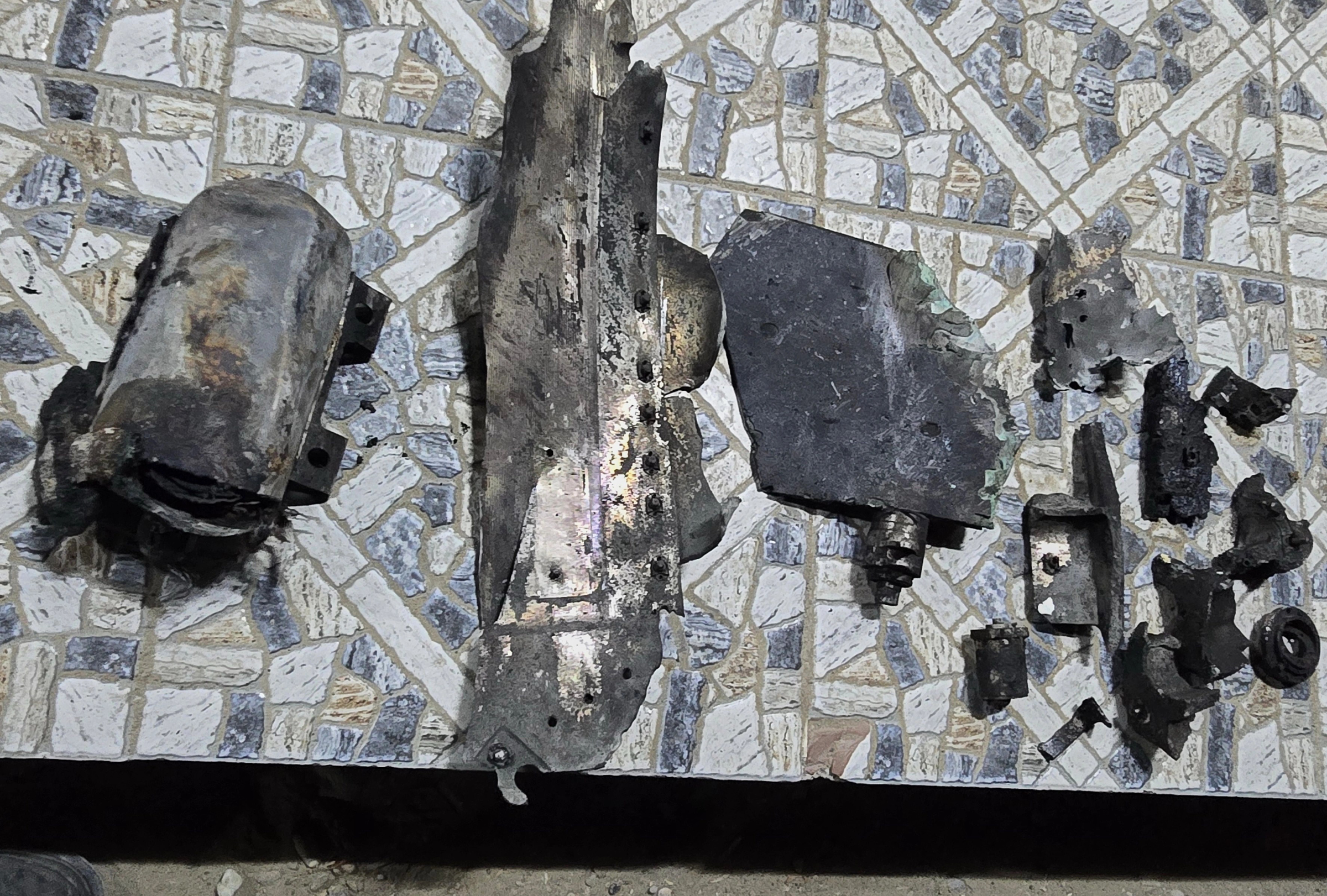 |
Debris that Iranian media said was from the weapon that hit the wedding on 2/9. Photo: AP |
Iranian state media reported on 3/9 that a 22-year-old woman died in the hospital, bringing the total fatalities from the wedding attack to 5. The incident also injured nearly 70 people.
Adil Haque, a professor of international law at Rutgers Law School, observed no signs of military targets around the building. He stressed the US military needs to provide a transparent explanation, as "the attack on the wedding appears completely unreasonable and unjustifiable."
This tragedy occurred about six months after a guided missile strike hit a primary school in Hormozgan province, southern Iran, killing more than 175 children and teachers. Iran accused the US of targeting the school. According to Reuters, an internal US military investigation indicated that US forces likely caused the incident, but the Pentagon has not publicly released the investigation results.
The agm-154 is equipped with an inertial navigation system combined with gps satellite positioning. The agm-154c variant also integrates an infrared seeker to lock onto targets during its descent.
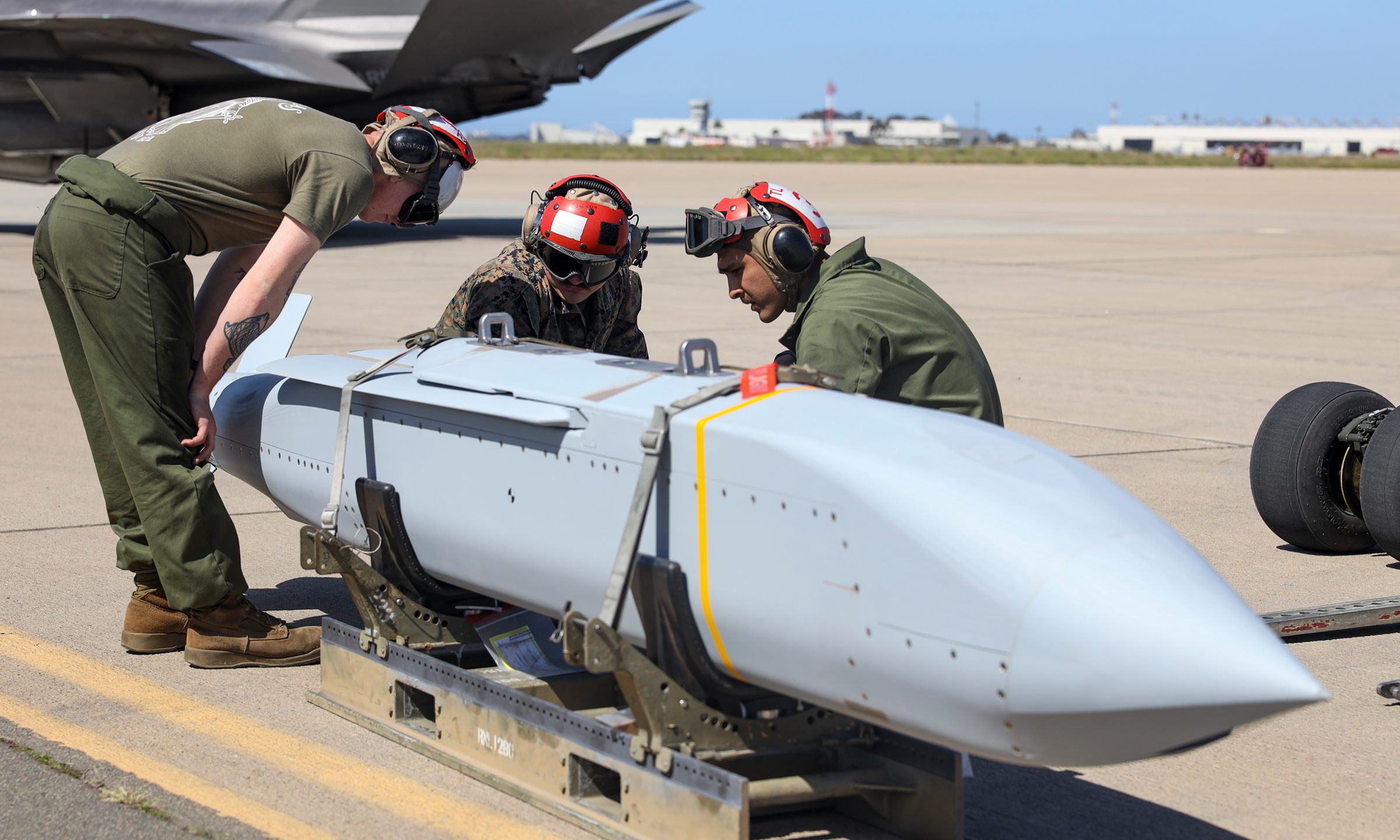 |
US soldiers inspect an agm-154 glide bomb at Miramar base in 2024. Photo: USMC |
The original agm-154a glide bomb uses a blu-97/b cluster warhead. The agm-154c variant, in service with the US Navy and Marine Corps, features a broach warhead similar to the storm shadow cruise missile. This warhead includes a primary shaped charge to penetrate reinforced concrete and soil, allowing a large blast warhead to enter and cause maximum damage.
Pham Giang (According to Reuters, Wall Street Journal, Fox News)