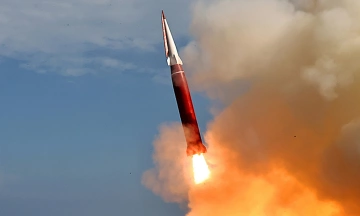
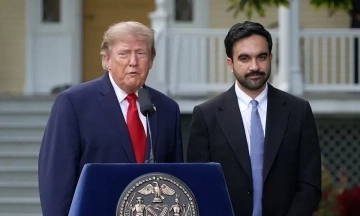
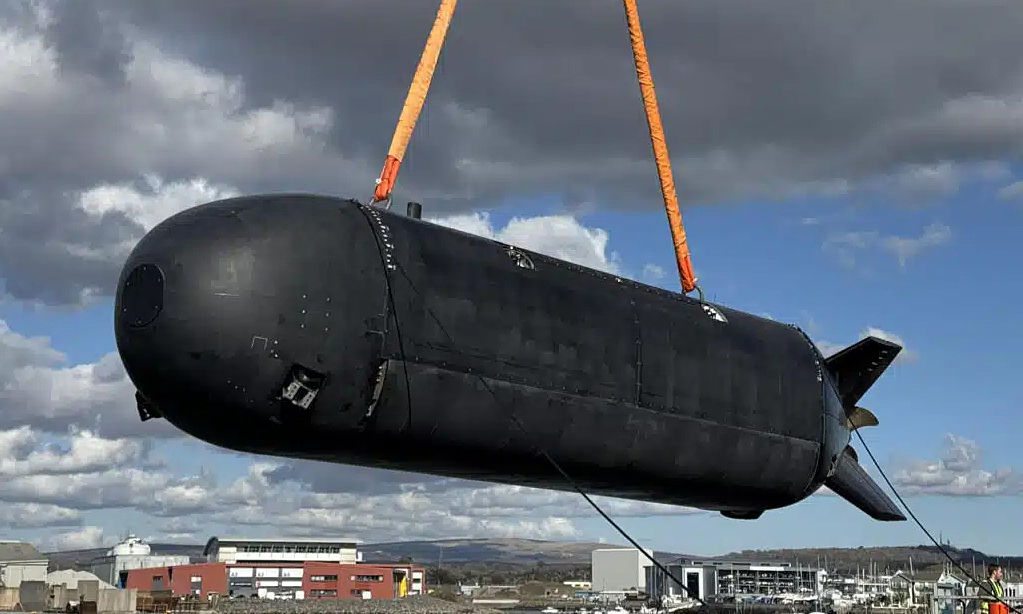
The US halted its airstrike campaign last weekend following 14 consecutive nights of bombing Iran. Concurrently, the Iranian military announced it would cease reciprocal retaliatory attacks against targets in the Middle East.
On 26/7, Axios reported, citing two informed sources, that President Donald Trump decided to halt the offensive campaign against Iran. This decision followed recommendations from Admiral Brad Cooper, head of the US Central Command (CENTCOM), which oversees the Middle East region, and his advisors.
President Trump convened a meeting with top advisors at the White House on 24/7 to discuss the next military actions concerning Iran. Sources indicated that in the preceding days, Admiral Cooper had assessed that two weeks of continuous US airstrikes significantly diminished Iran's capability to attack vessels in the strait of Hormuz.
According to Cooper, the US had nearly exhausted its bombing targets in Iran. The recent wave of airstrikes served as a continuation phase of a campaign that began in late february and ceased in june, completing the destruction of the remaining 20% of targets previously identified but not yet struck by the US. Cooper also stated that without a decision to resume a large-scale campaign, there was no justification to continue operations as conducted over the past two weeks, sources added.
Meanwhile, General Dan Caine, Chairman of the US Joint Chiefs of Staff, cautioned Defense Secretary Pete Hegseth and President Trump about a potential shortage of anti-aircraft ammunition. This shortage, he warned, could impede the ability to protect US forces and allies across the Middle East.
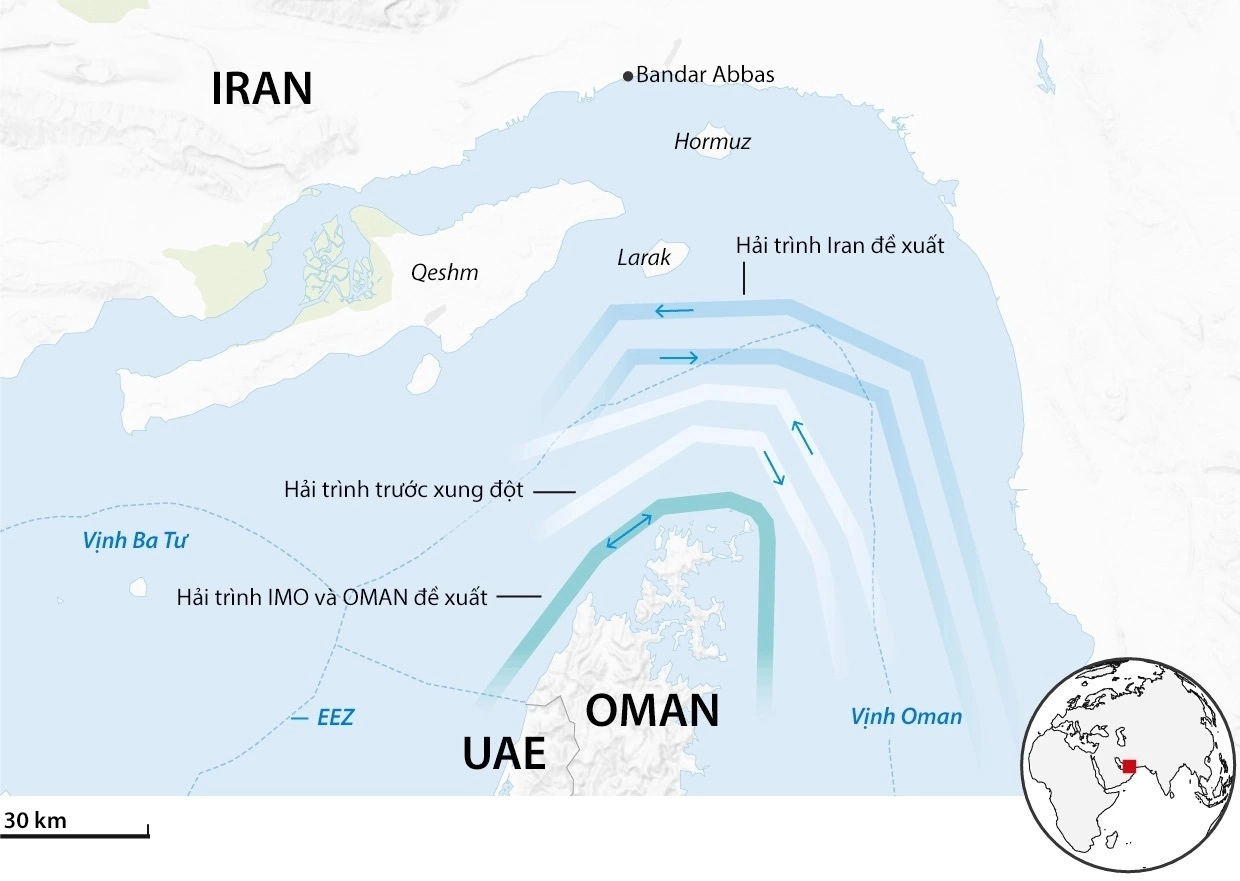 |
Routes through the strait of Hormuz proposed by Iran, IMO, and Oman. *Graphic: Guardian*. |
Sources indicated that days before the meeting, Trump had favored launching a large-scale campaign against Iran, but began to reconsider on the evening of 23/7. Following his meeting with senior advisors and military officials on 24/7, the US President ultimately decided to cease airstrikes against Iran.
Iran and Oman are currently negotiating a new agreement to reopen the strait of Hormuz, aiming to ensure safe passage for vessels through the area without attack. However, it remains uncertain whether Trump will accept this agreement; a rejection could lead to a renewed outbreak of conflict. On the ground, the situation is currently quiet, with both sides having ceased their tit-for-tat attacks.
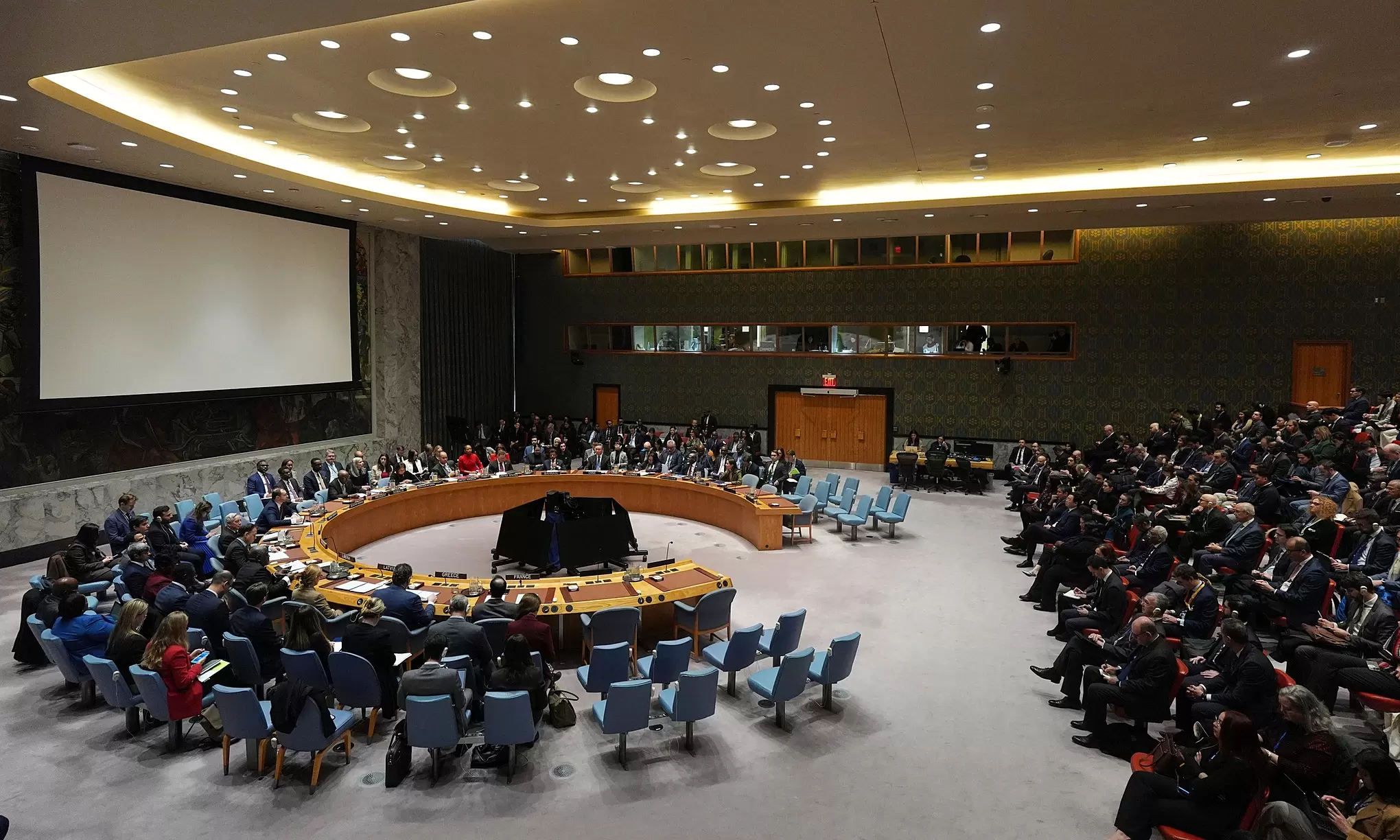
US Ambassador to the United Nations Mike Waltz stated on 26/7 that Trump is exploring all options while "creating conditions for negotiations with Iran". Waltz added that the US and Iran are engaged in discussions at every level.
Following the signing of a memorandum between the US and Iran in mid-june, the Gulf region experienced three weeks of calm. However, hostilities re-erupted on 8/7, after Trump declared the ceasefire "over." The US subsequently reimposed a blockade on Iran's seaports. In retaliation, the IRGC threatened to sever all energy exports from the Middle East.
By Nguyen Tien (According to AP, AFP, Reuters, Axios)