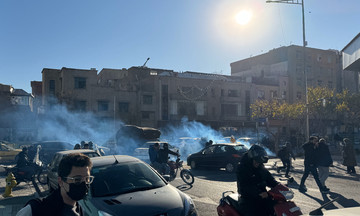
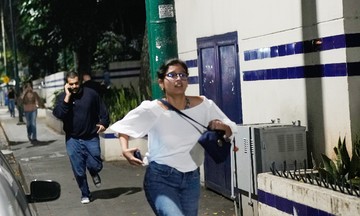
A video posted on social media on 5/1, recorded by residents of the capital Caracas two days prior during the US assault operation, shows a roaring sound appearing just before large explosions occurred on the ground.
“Humming sounds, followed by impact and explosion, are characteristic signs of piston-engine suicide unmanned aerial vehicles (UAVs) crashing into targets,” said Joseph Trevithick, a writer for the US military news site War Zone.
The US special operations command declined to comment on the video, while the white house and southern command have not yet responded.
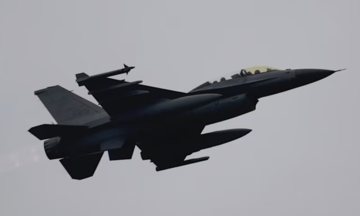
Trevithick believes the US deployed long-range suicide UAVs from warships off Venezuela's coast or from forward operating bases in the Caribbean. This deployment aimed to support fighter aircraft in suppressing enemy air defenses, a key mission in the overall operation. This action would have paved the way for a helicopter squadron to transport special forces into Caracas to capture president Nicolas Maduro and his wife.
Chairman of the US joint chiefs of staff Dan Caine previously confirmed that "many remotely controlled UAVs" were mobilized for the operation, but did not specify.
Last year, the US department of defense launched a new initiative to increase the use of various types of suicide UAVs. US special forces, the main component in the operation to capture Maduro, actively participated in this initiative. They have also led the US military's efforts to deploy suicide UAVs in recent years.
Last month, the US military first deployed LUCAS suicide UAVs from a warship in the middle east, an event considered a significant milestone.
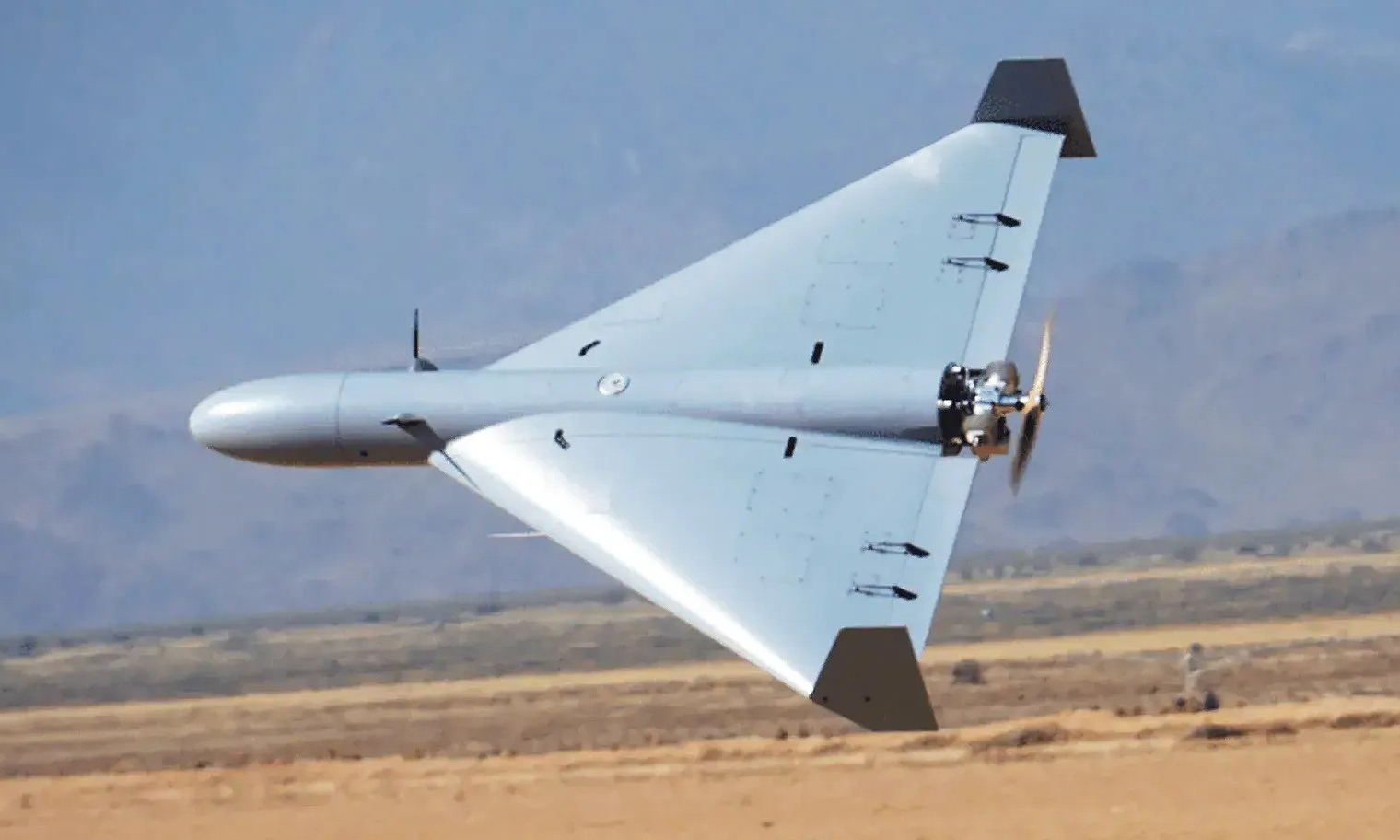 |
A US LUCAS suicide UAV during a test. Photo: SpektreWorks. |
The core design of LUCAS is directly based on Iran's shahed-136 UAV. US officials stated that the country's military obtained a Shahed, studied it, and used reverse engineering to create a corresponding aircraft. “LUCAS is a product of this reverse engineering effort. The aircraft is almost identical to the Shahed design,” the official said.
Shahed-type UAVs have small warheads and a much slower flight speed compared to cruise missiles. However, they offer the advantages of being cheap and easy to produce. This allows attackers to deploy hundreds of units in a single strike, aiming to overwhelm enemy air defense networks and maximize damage to targets.
Pham Giang (According to War Zone)