Axios reported on 5/5, citing US officials, that "the White House believes it is nearing consensus with Iran" on a one-page, 14-point Memorandum of Understanding (MOU), drafted by Middle East envoy Steve Witkoff and Trump's son-in-law, Jared Kushner, in collaboration with some Iranian officials.
A Pakistani official involved in peace efforts also confirmed this information to Reuters. "We are very close, very close," he stated.
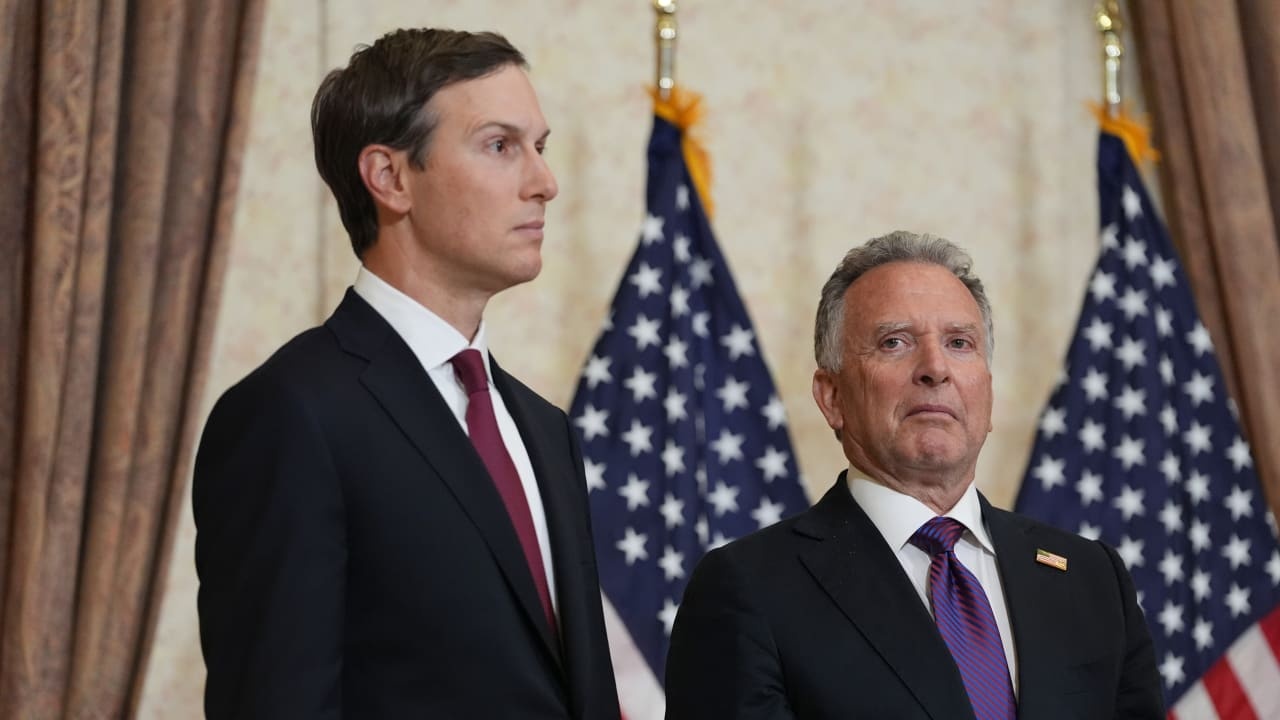 |
Jared Kushner (left) and Steve Witkoff listen to US Vice President JD Vance speak after a meeting with representatives from Pakistan and Iran on 12/4 in Islamabad, Pakistan. *Photo: AFP* |
The MOU's content proposes both sides declare an end to the war and activate a 30-day negotiation phase. This phase aims for an agreement to open the Strait of Hormuz, limit Iran's nuclear program, and lift US sanctions on Iran.
The US demands Iran halt all uranium enrichment activities for a minimum of 12 years. This order will automatically renew if Iran violates it. After this period, Iran would be permitted to enrich uranium to a low level of 3,67% for civilian purposes. Iran must also commit not to seek nuclear weapons and accept enhanced and snap inspections.
Two sources indicated Iran would agree to eliminate its existing stockpile of highly enriched uranium. Negotiators proposed transferring this material to the US.
During the 30-day negotiation phase, Iran's restrictions on shipping through the Strait of Hormuz and the US blockade of Iranian seaports would be gradually lifted.
However, if negotiations fail or an agreement is not reached, the US could reinstate the blockade or restart the war.
Within the MOU framework, the US pledges to gradually lift sanctions imposed on Iran. It will also progressively unfreeze billions of USD in Iranian funds currently frozen worldwide.
Axios stated that "nothing has been officially agreed upon," but sources indicated the current process marks the closest the US and Iran have come to an agreement since the war began on 28/2. The US expects a response from Tehran on key points within the next 48 hours.
The US and Iran reached a ceasefire on 8/4. However, Iran's tightening of the Strait of Hormuz and the US blockade of enemy seaports have caused a global shortage of millions of barrels of oil, driving up fuel prices.
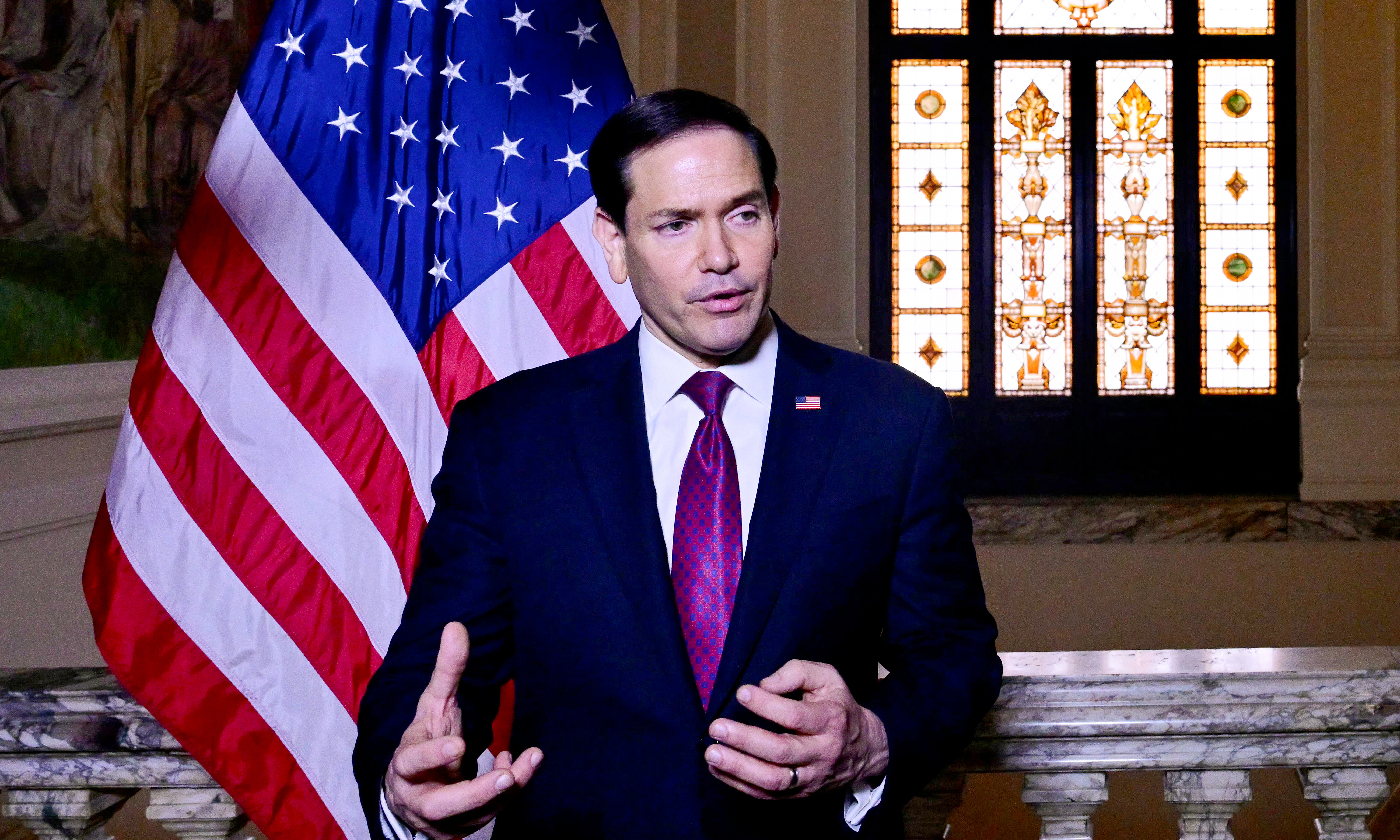
US Secretary of State Marco Rubio announced on 5/5 that the "Frightful Fury" campaign against Iran had ended. According to him, issues related to Iran's nuclear program, including the fate of its highly enriched uranium stockpile, will be resolved through negotiations.
Hong Hanh (According to Axios, Reuters)