US President Donald Trump on 9/9 declared that the conflict in Iran would conclude "immediately" after the November midterm elections, stating that Tehran "cannot hold out any longer".
According to sources familiar with the matter cited by WSJ, Trump often privately expressed to aides his desire for a swift end to the conflict, which has now entered its seventh month and resulted in the deaths of 18 US soldiers.
Simultaneously, he supported a long-term economic containment strategy, combining port blockades and sanctions to compel the Iranian government to abandon its nuclear program. Treasury Secretary Scott Bessent described this "economic isolation campaign" as an alternative to large-scale military operations.
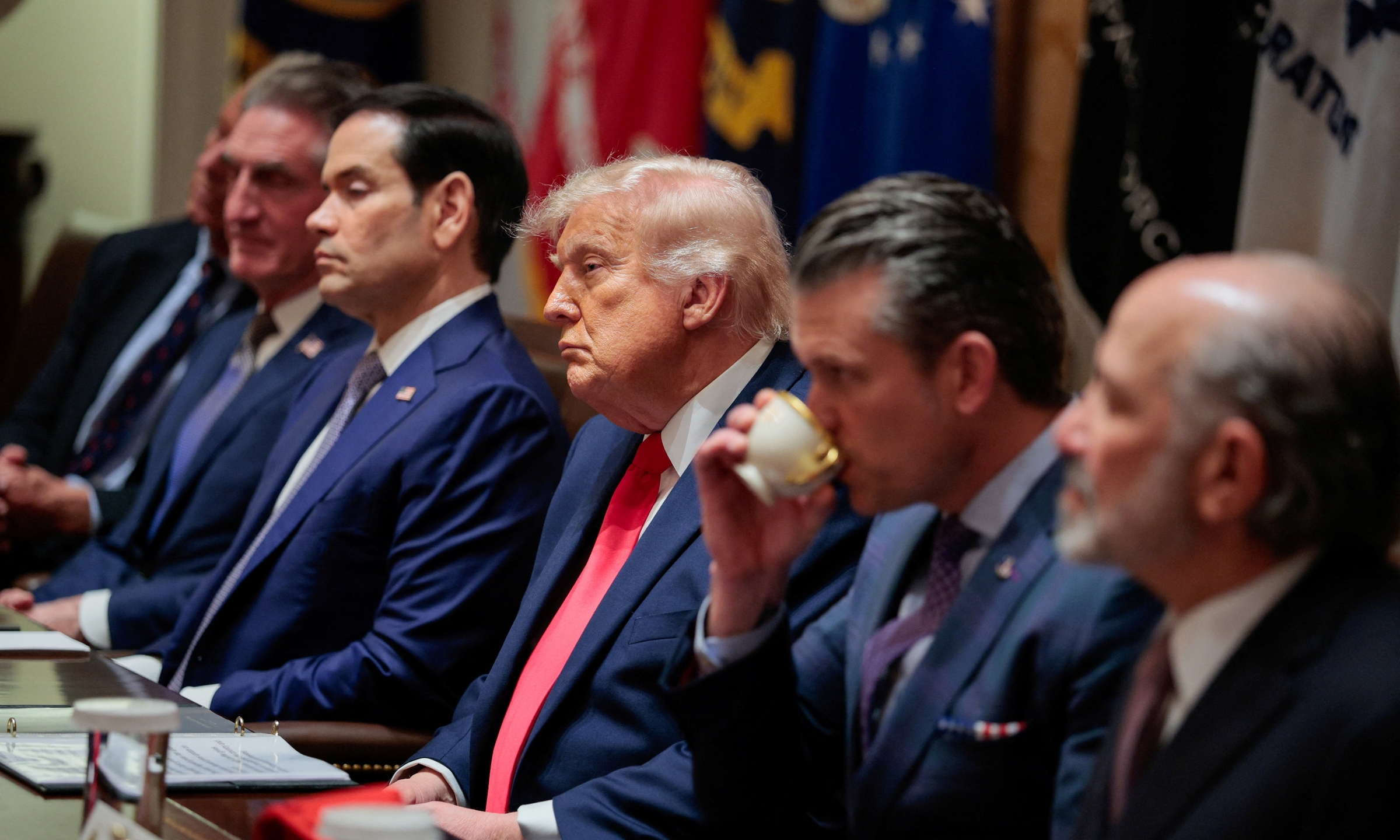 |
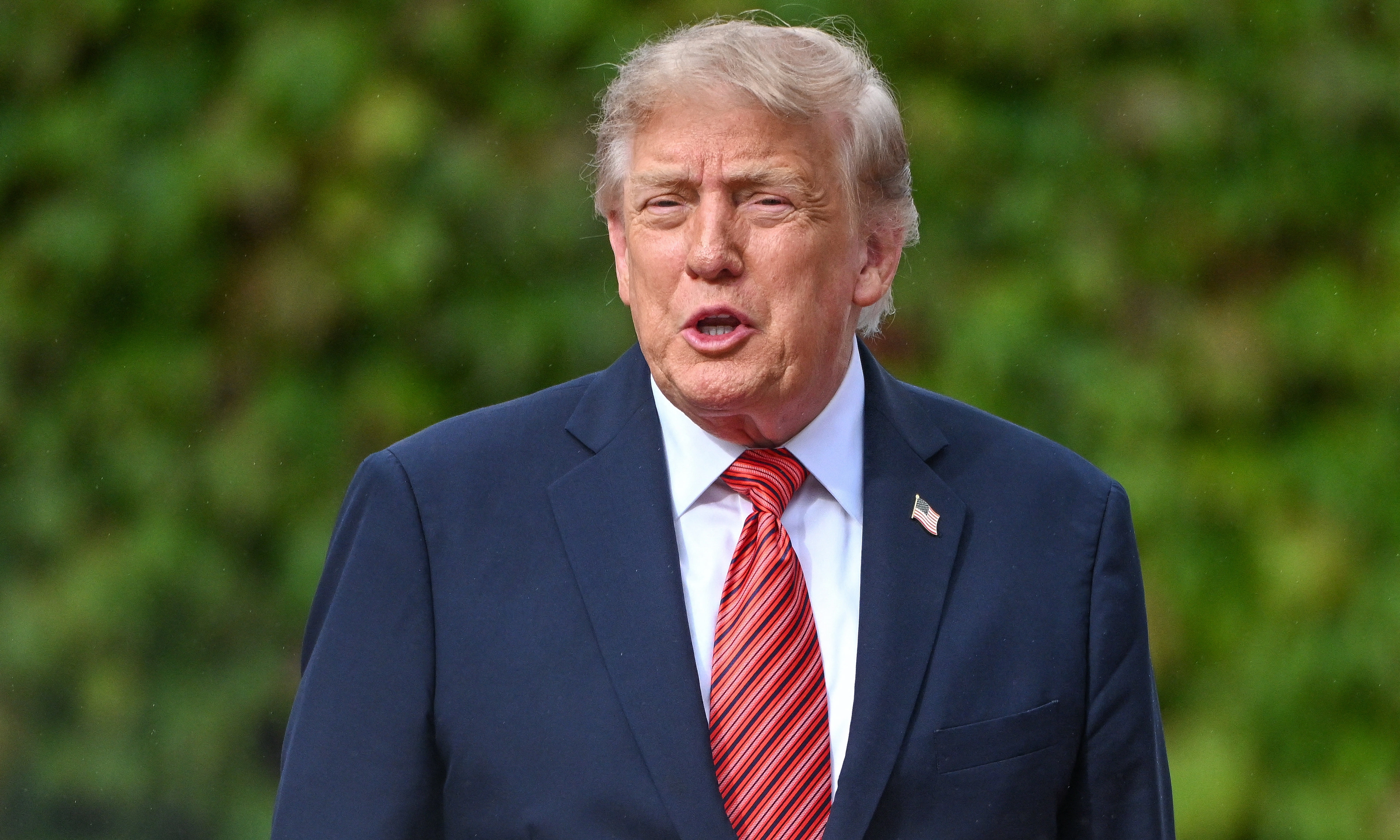
US President Donald Trump during a cabinet meeting at the White House on 27/5. *Photo: Reuters* |
However, behind the scenes, Vice President JD Vance, Secretary of State Marco Rubio, and other officials discussed with the President the possibility of Iran continuing to resist US pressure. This could extend the conflict until the end of Trump's term in January 2029, according to US officials cited by WSJ.
Last week, Vance told reporters that he did not consider the current conflict a "war", despite ongoing blockades and attacks. He also stated that it was unclear when the fighting would end and refused to provide "artificial timelines" that Iran could exploit.
"It would be irresponsible for us to outline strategies and timelines for Iran, a nation that disregards its commitments and refuses to stop attacking commercial vessels", he said.
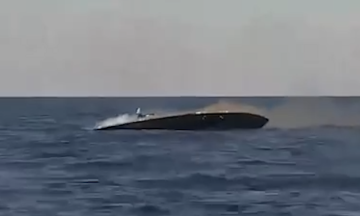
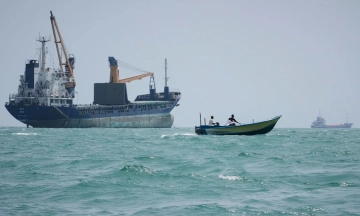
Iran has responded to the US pressure campaign with missile attacks, indicating that sporadic military clashes in the Strait of Hormuz are difficult for both sides to avoid. On 8/9, the US sank five Iranian oil tankers after Tehran targeted several US warships. The US military reported that all attacks failed, but some were assessed as "near misses".
Defense Secretary Pete Hegseth reportedly extended the deployment of some military units in the Middle East until 2027. This sets the stage for Trump to maintain military options as the conflict lengthens, according to WSJ.
According to sources familiar with the issue, the Pentagon plans to extend the deployment of certain air defense units in the Middle East without setting a withdrawal date. These units, part of approximately 50,000 troops deployed to the region, are positioned throughout the Gulf to intercept missiles and unmanned aerial vehicles (UAVs).
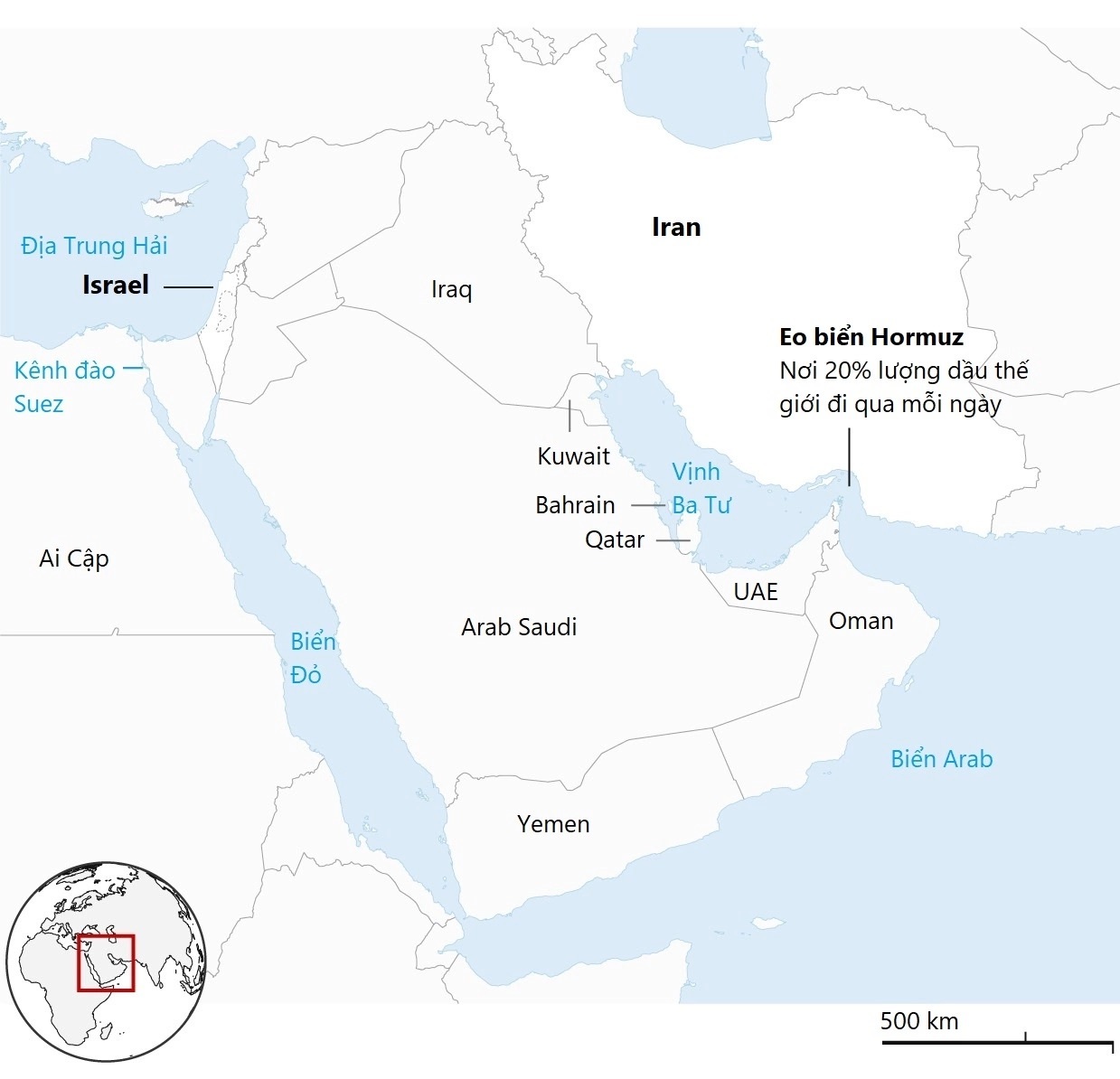 |
Location of Iran and the Strait of Hormuz. *Graphic: Guardian* |
A third Marine Expeditionary Unit is preparing to arrive in the Middle East this fall. This indicates that the US military continues to rotate amphibious forces on carrier strike groups, a US official told WSJ. The 31st Marine Expeditionary Unit arrived in the region in March and was replaced by the 11th unit in June.
The Pentagon is also rotating fighter squadrons in the region, with F-16s from the National Guard set to deploy. These will replace aircraft returning to their US base in Aviano, Italy.
Analysts believe that the Trump administration's preparation for a prolonged conflict is entirely understandable.
"The US naval blockade of Iran is unlikely to yield decisive results in the short or even medium term. This measure is only truly viable if the US has a long-term deployment plan", stated Suzanne Maloney, an Iran expert and vice president for foreign policy at the Brookings Institution in Washington.
Maloney noted that even with long-term enforcement of such a blockade, the prospects for success remain low. It carries many unforeseen consequences, such as attacks on energy and economic targets in Gulf nations.
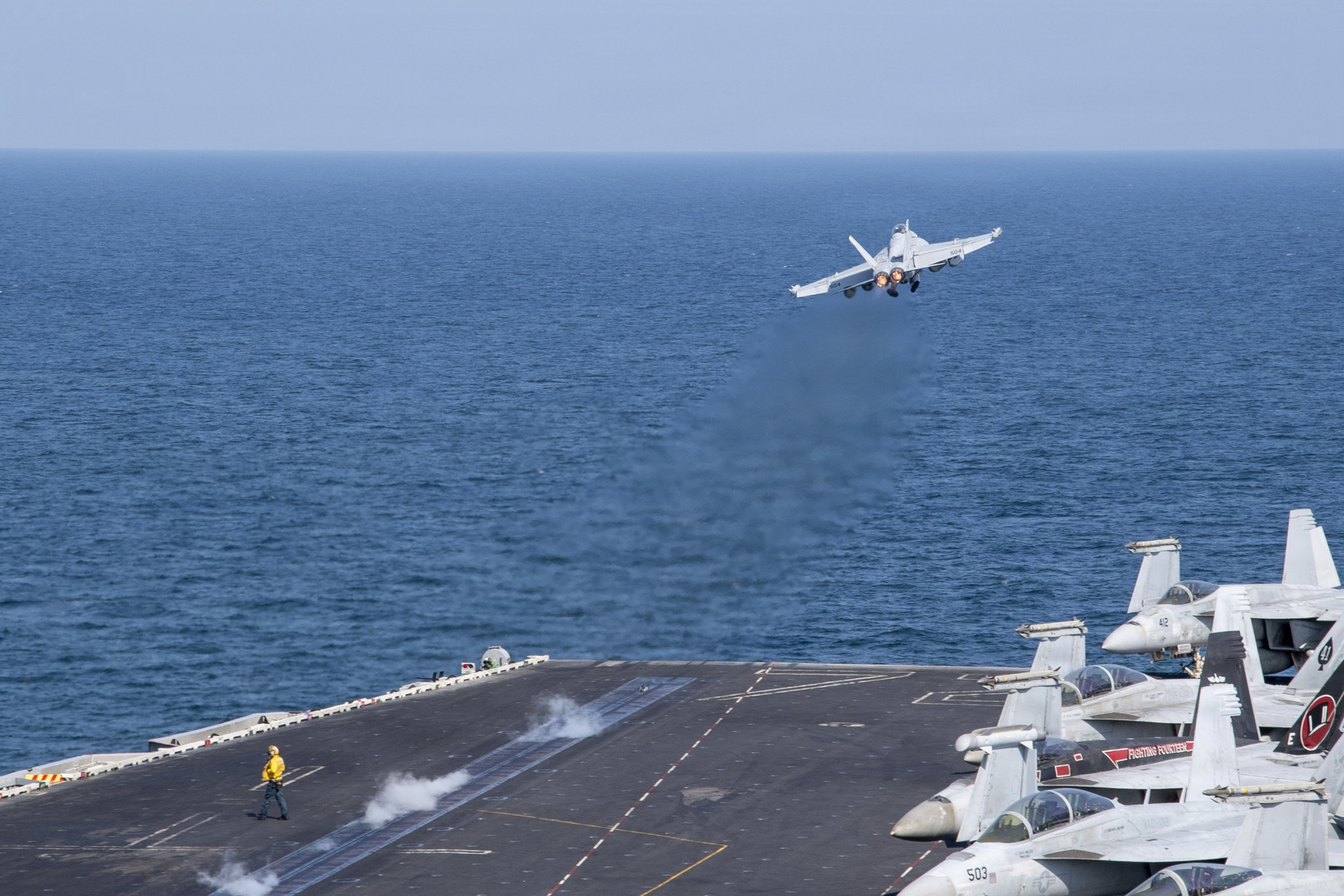 |
US fighter jet taking off from the USS Abraham Lincoln aircraft carrier, in the Arabian Sea, on 10/3 for Operation Horrifying Fury. *Photo: USAF* |
A multi-year blockade and sustained military presence in the Middle East could also divert US resources from Europe and Asia. US officials are also increasingly concerned that Iran could adapt to attacks and replenish its arsenal of missiles, UAVs, radar, and other military equipment.
"Both sides are paying a price, but neither has paid a high enough price to accept the other's terms", remarked Ali Vaez, an Iran expert at the International Crisis Group (ICG).
By Thanh Tam (According to WSJ, AFP, Reuters)