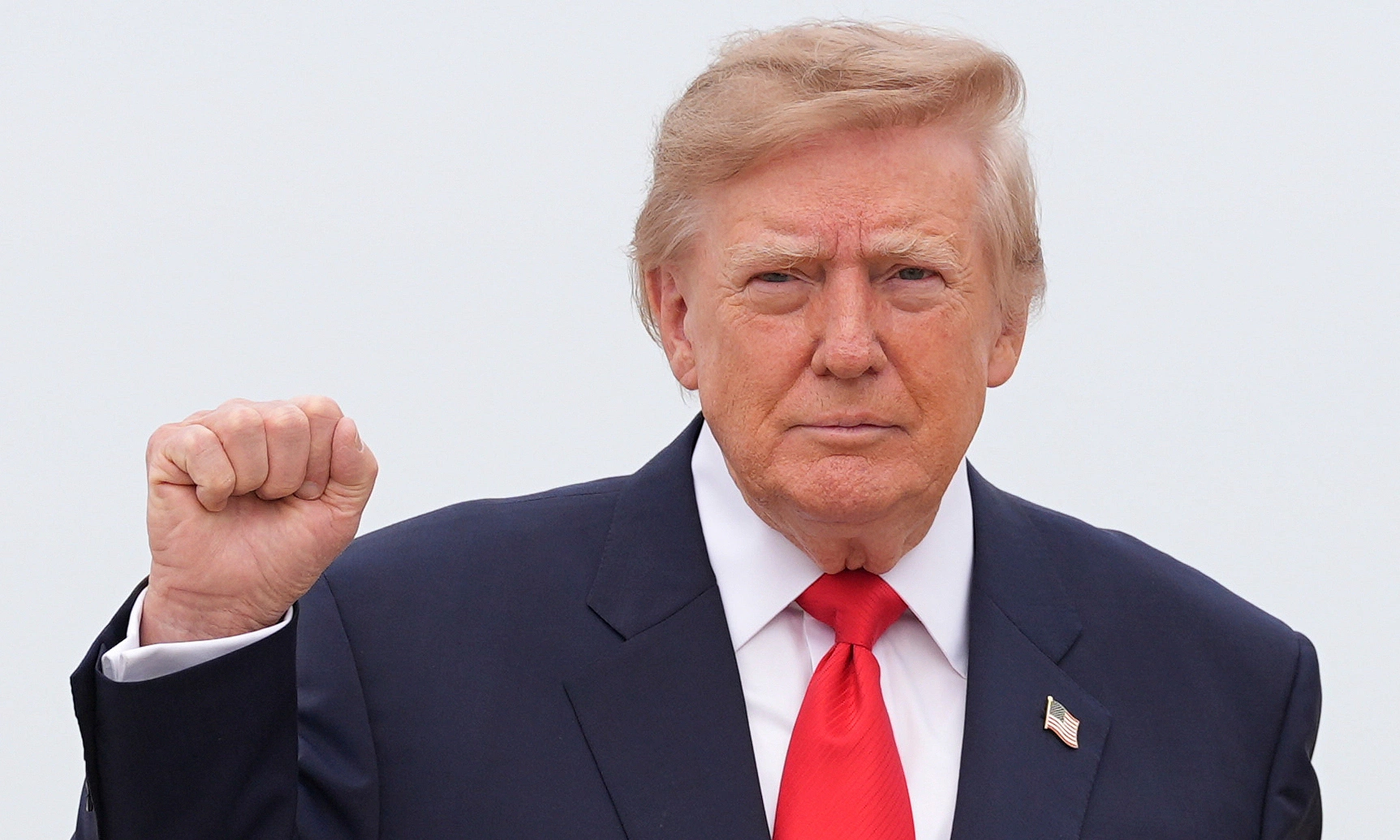
"The energy ceasefire in the war between Russia and Ukraine is effective immediately. Both sides have agreed. No violations allowed," US President Donald Trump posted on Truth Social on october 11, without providing further details.
Russian officials have not commented on the information.
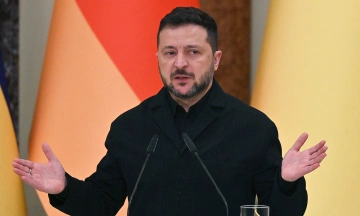
President Volodymyr Zelensky affirmed that Ukraine had not reached any such agreement. "I learned about the ceasefire announcement through the media. If Russia agrees to a ceasefire in the energy sector, Ukraine will also agree. If President Trump has negotiated with President Vladimir Putin, please let us know when the ceasefire begins. We are ready and will accept," he said.
 |
US President Donald Trump at a rally in Clarksville, Tennessee on october 10. Photo: AFP |
World fuel prices have risen sharply since late february, when attacks by the US and Israel led Iran to blockade the Strait of Hormuz, a crucial shipping lane for global energy transport. During this period, Russia and Ukraine also continued to strike each other's energy infrastructure.
High diesel prices in the US also put pressure on the Trump administration ahead of the midterm election on november 3, as the Republican Party faced the risk of losing its slim majority. This fuel is widely used in agriculture, freight transport, and home heating.
On october 9, President Trump stated Russia had agreed to immediately supply over 300,000 tons of diesel to the US and global markets, an additional 500,000 tons in november, and one million tons shortly thereafter, with the potential to supply an additional 3 million tons in a short time depending on refinery conditions. The US also granted a temporary sanctions waiver, allowing Russian diesel to access international markets.
President Zelensky opposed the US decision, calling it "a gift for President Vladimir Putin".
The Ukrainian leader declared on october 11 that he was ready to halt attacks on enemy refineries if Russia stopped striking Ukrainian energy infrastructure. According to him, the large-scale attacks last week showed that Moscow had not "felt real pressure".
"This week has been truly difficult for us, not just geopolitically. Primarily due to Russia's large-scale strikes on civilian infrastructure. They attacked our energy sector 196 times for electricity alone, not including 20 times targeting gas and oil. These attacks killed 153 civilians," he emphasized.
Huyen Le (According to AFP, Reuters)