The Pacific island nation of Nauru officially changed its name to the Republic of Naoero, aligning with the spelling and pronunciation in its indigenous language, President David Adeang announced on 3/8.
The nation's new name will be pronounced "Now-ero", a shift from the previous "Now-roo". Its international code will change from NRU to NRO, and citizens will be known as dei-Naoero, replacing the English term Nauruan.
This move returns the remote South Pacific island nation to its traditional name, the government stated.
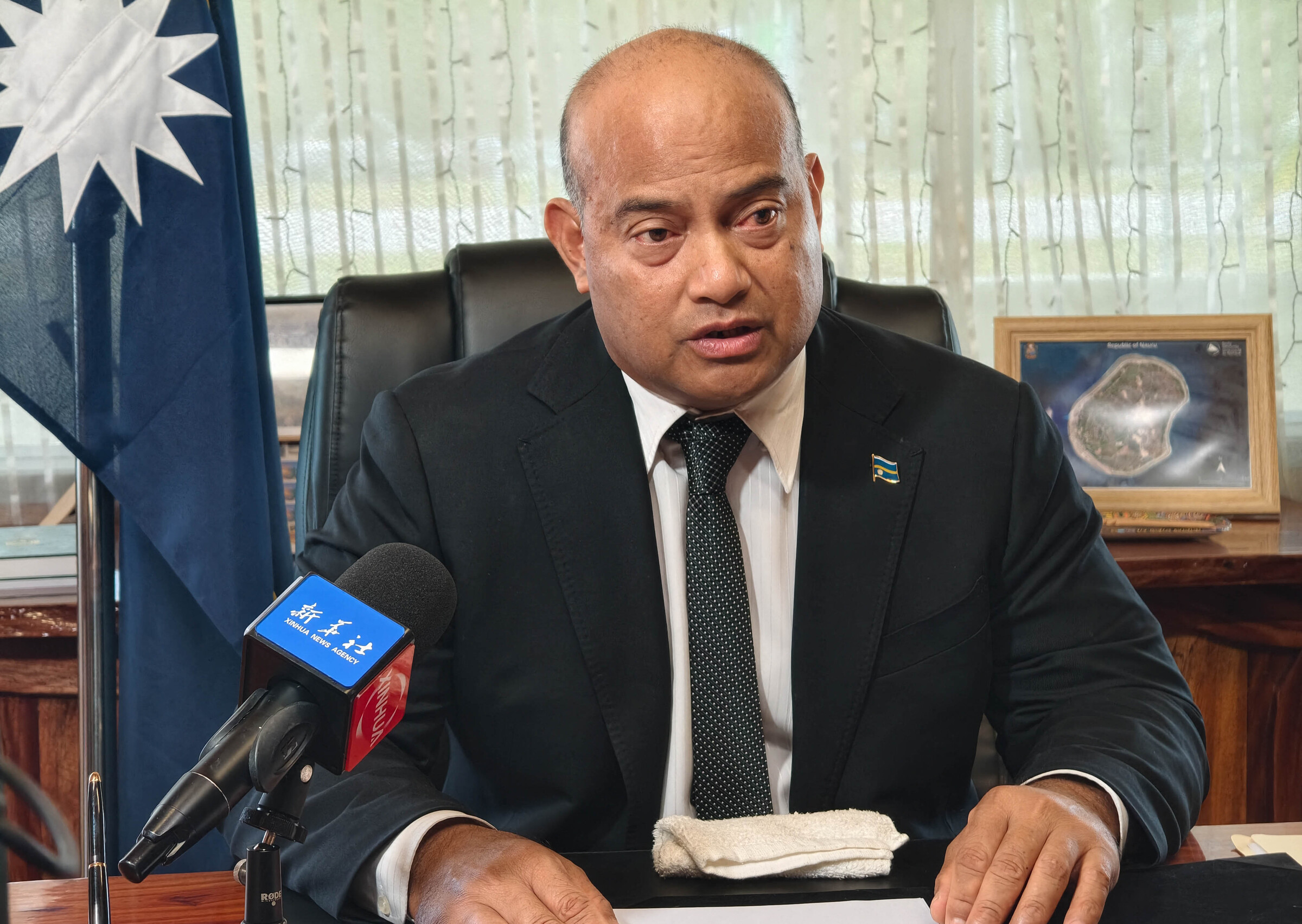 |
President David Adeang during an interview in Yaren, Naoero on 20/5. AFP
"This change aims to more authentically honor our nation's heritage, language, and identity", President Adeang explained when proposing the name change to parliament in January.
Naoero, an island spanning almost 21 km2, is the second smallest United Nations member state after Monaco. With approximately 12,000 residents, it ranks as the third least populated nation globally, following Tuvalu and Vatican City.
Indigenous Micronesians have inhabited the island for about 3,000 years. They were divided into 12 tribes, sustaining themselves through fishing and harvesting coconuts and pandanus, and historically referred to their homeland as Naoero.
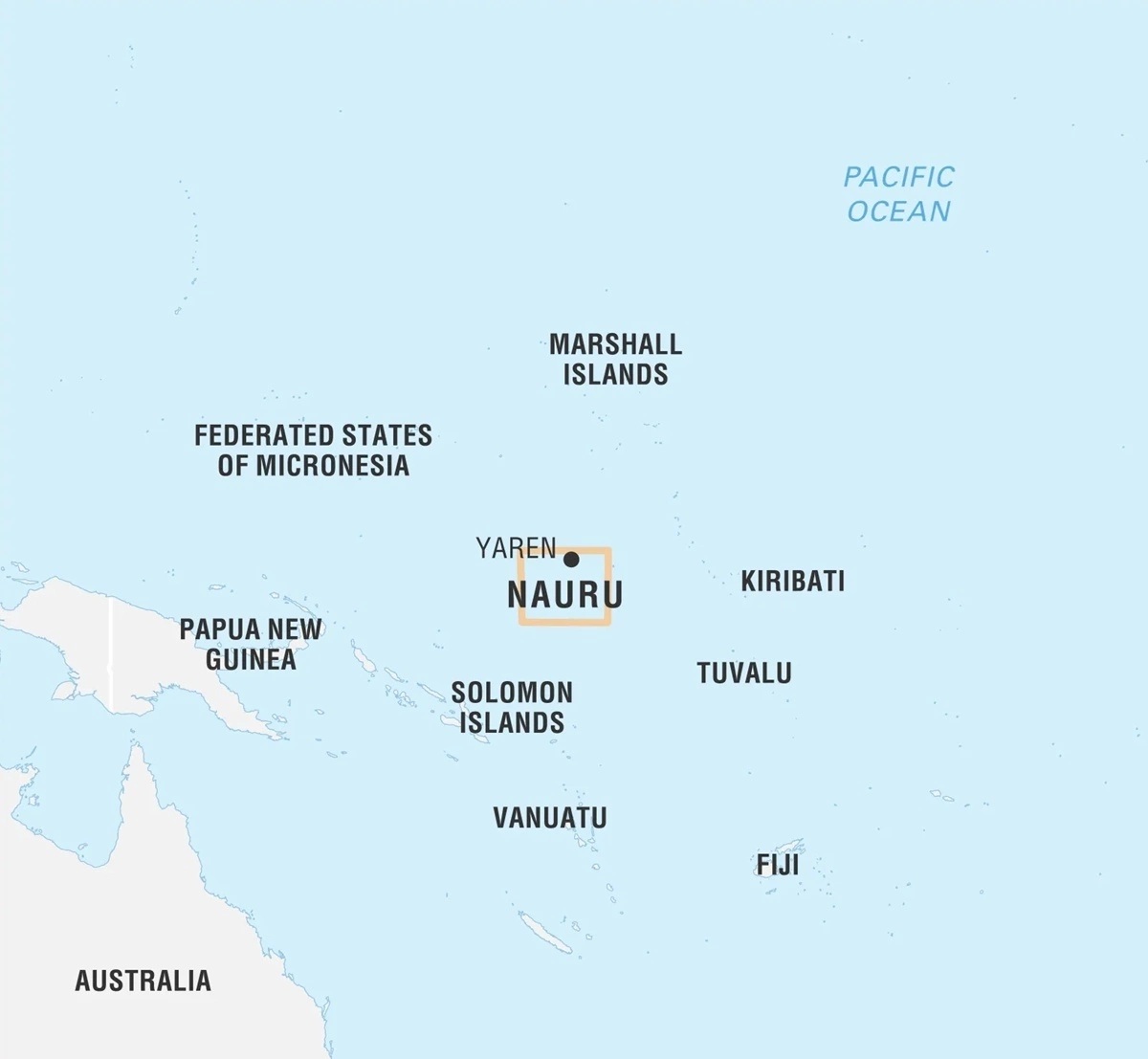 |
The location of the island nation of Nauru, now renamed the Republic of Naoero. Britannica
In 1798, Captain John Fearn of the British whaling ship Hunter became the first European to set foot on the island, naming it "Pleasant Island".
This name persisted until a devastating civil war erupted among the island's tribes in the latter half of the 19th century, fueled by firearms and alcohol introduced by Western traders. The conflict lasted 10 years, causing the island's population to drop from 1,400 to approximately 900 people.
German forces landed on the island, disarmed the tribes, ended the civil war, and annexed the territory in 1888. In 1914, following the outbreak of World War I, Australian troops landed, occupied the island, and maintained control until 1920.
The name Nauru gradually emerged because some foreigners found it difficult to pronounce Naoero, historians indicate.
During World War II, Japanese forces occupied Nauru, causing significant damage. The island subsequently came under a joint protectorate of Australia, New Zealand, and Britain. In 1968, the island gained independence, continuing to use the name Nauru, which was easier for Westerners to pronounce.
Nauru's economy once relied heavily on phosphate mining, a key component in fertilizers. This resource transformed the island nation into one of the wealthiest places globally on a per capita basis.
However, those resources have long been depleted. Researchers estimate that 80% of Nauru's land area has become uninhabitable due to phosphate mining. The island nation is now diversifying into other sectors, including processing asylum applications for Australia.
President Adeang stated that the change to Naoero signifies "the dawn of revived national pride", part of a broader process to shed its colonial history and assert an independent national identity.
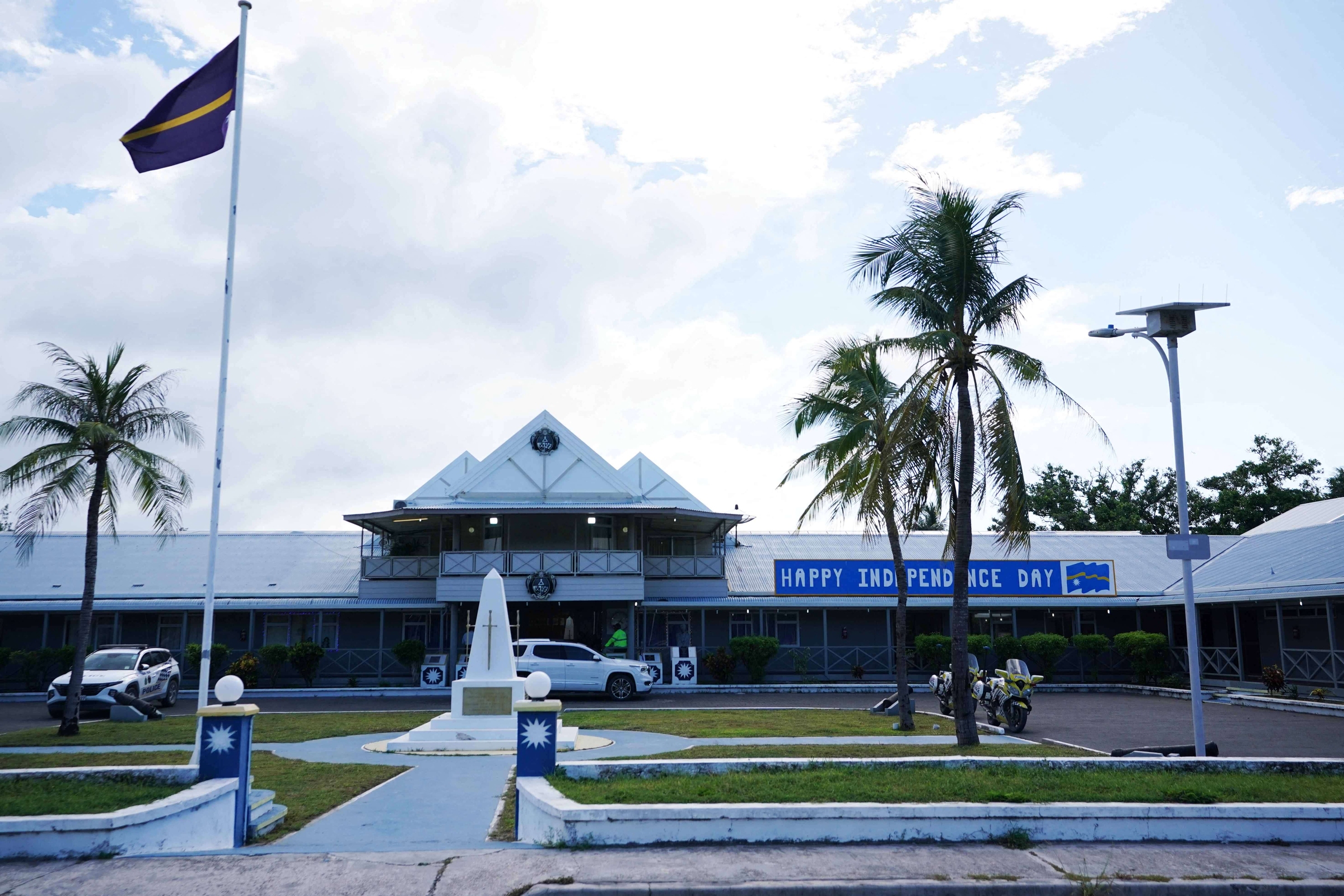 |
The parliament building of the Republic of Nauru in January 2024. AFP
Derek H. Alderman, a geography professor at the University of Tennessee and a toponymy expert, noted that many nations have achieved political and economic independence but still live with the cultural and linguistic legacies of colonialism.
"Therefore, renaming is part of the process of rectifying the cultural and linguistic damage left by colonialism, while affirming a return to the identity that existed before the colonial era", he said.
The government of Naoero announced it is actively seeking recognition for the new name from international organizations and nations.
The United Nations website now recognizes the nation by its new name, noting that the government requested the change in June. The foreign ministries of Australia and New Zealand, along with the United States and China's embassies in the region, have also updated their websites with the name Naoero.
Thanh Tam (According to NY Times, AFP, AP)
Do you believe Nauru's decision to change its name to Naoero is essential for restoring national identity, or could it create difficulties for international trade and recognition? Share your thoughts in the comments section below.