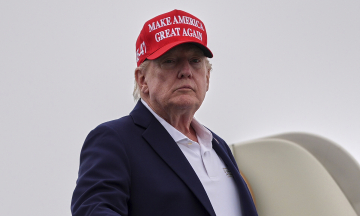
The survey results, released by the Pew Research Center, based in Washington, D.C., on 15/7, indicate that people in 25 of the 36 surveyed countries and territories hold a more positive view of China than of the US. Only six nations: Poland, the Philippines, South Korea, India, Japan, and Israel, rated the US more positively than China.
The survey was conducted from 8/2 to 13/5, involving 42,151 individuals across 35 countries, the West Bank, and East Jerusalem.
At the leadership level, Chinese President Xi Jinping was also viewed more positively than US President Donald Trump in 22 of the 36 countries and territories. This group included US neighbors Canada and Mexico, along with European powers such as France, Germany, and the UK. However, Pew noted that overall trust in both leaders remained low.
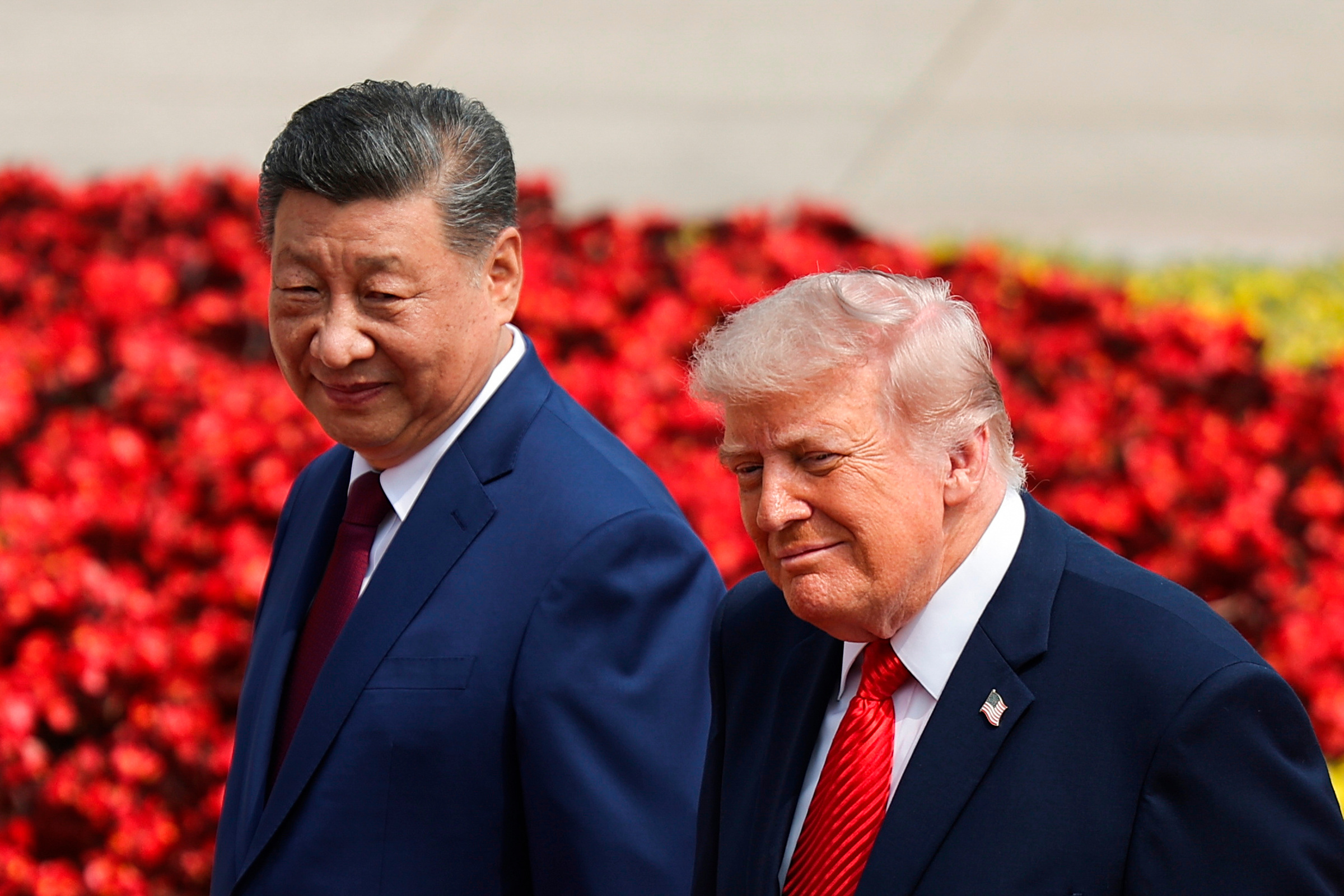 |
Chinese President Xi Jinping (left) and US President Donald Trump in Beijing on 14/5. *AP*
Laura Silver, Pew's associate director of Global Attitudes Research and a co-author of the report, stated this marks the first time China has distinctly surpassed the US since the organization began tracking trends in 2002. The shift occurred as the impact of the Covid-19 pandemic faded and the US's international image declined.
Silver suggested that the Middle East conflict, ongoing during the survey period, led many to believe Washington "no longer contributes to peace and stability," which also reduced personal trust in President Trump.
Other factors influencing public opinion included a series of statements expressing a desire to control Greenland, the campaign to arrest Venezuelan President Nicolas Maduro, and Washington's handling of the Israel-Hamas conflict in the Gaza Strip.
According to Silver, beyond no longer being influenced by pandemic memories, China's international image also benefited when contrasted with the US. "China is seen as a more reliable partner in many places and is more likely to contribute to global peace and stability," she stated.
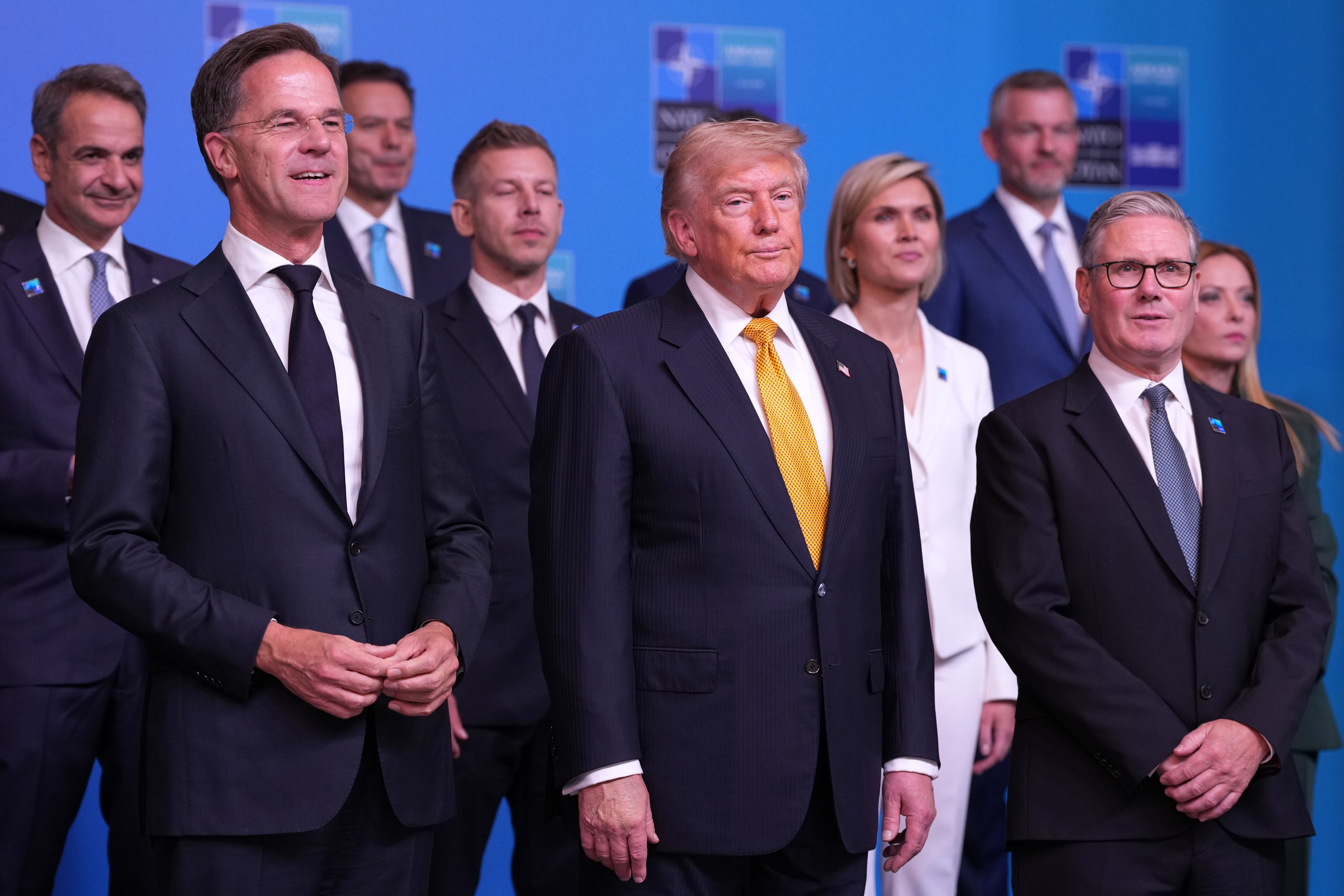 |
US President Donald Trump and NATO member leaders in Turkey on 8/7. *AP*
The Chinese Embassy in the US asserted that the survey results reflect "China's widely recognized achievements in governance and development by the international community."
The White House has not yet commented on these results.
Canada showed one of the most significant shifts. The proportion of Canadians with a favorable view of the US decreased from 57% in 2023 to 33%, while the percentage holding a positive view of China increased from 14% to 44%.
Many other US allies in Europe, including France, Germany, Spain, Italy, Sweden, and the Netherlands, also shifted from viewing the US more positively to viewing China more positively or equivalently.
Regarding international roles, most respondents still believed the US intervened more in other countries' internal affairs than China. A median of 75% of survey participants stated the US intervened "a great deal" or "a fair amount" in other nations, compared to 45% for China.
Thanh Danh (According to AFP, Guardian, Times of India)