Moammar al-Eryani, Information Minister of Yemen's internationally recognized government, stated on 29/7 that this assessment is based on recent "collected and verified intelligence". This intelligence also indicates that the Islamic Revolutionary Guard Corps (IRGC) is supporting the Houthi plan.
He added that intelligence points to IRGC experts and advisors directly participating in designing the technical framework and management mechanism for this fee collection project.
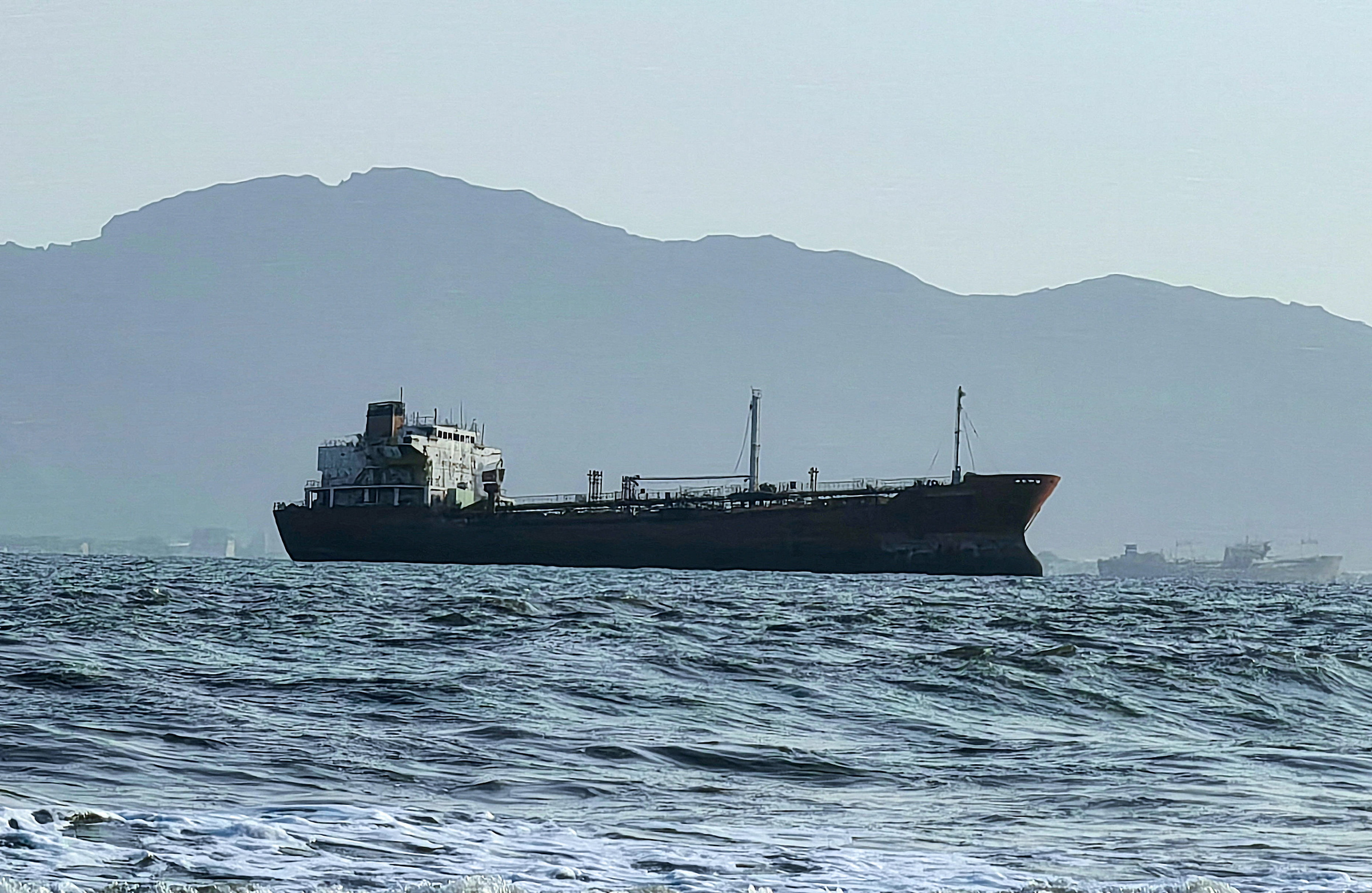 |
A ship anchored off Aden, Yemen on 23/7. Photo: Reuters |
According to Eryani, the fee collection plan includes establishing a dedicated agency responsible for collecting money from shipping companies and commercial vessels transiting the Red Sea and the Bab el-Mandeb Strait.
He described this as a "dangerous escalation" by the Houthi, aiming to transform one of the world's most strategic maritime corridors into a long-term funding source for the group's military operations.
The Houthi forces have not commented on the statement. The Houthi control a large territory in southwest Yemen, including the coastal area bordering the Red Sea. The Bab el-Mandeb Strait, which connects the Arabian Sea and the Red Sea, is within the group's missile range.
Gulf countries are increasingly concerned that the Houthi, an Iran-backed armed group in Yemen, will emulate Tehran's model at the Strait of Hormuz. They fear the group will seek to transform control over the Bab el-Mandeb shipping lane into revenue, a move that risks further destabilizing global energy markets.
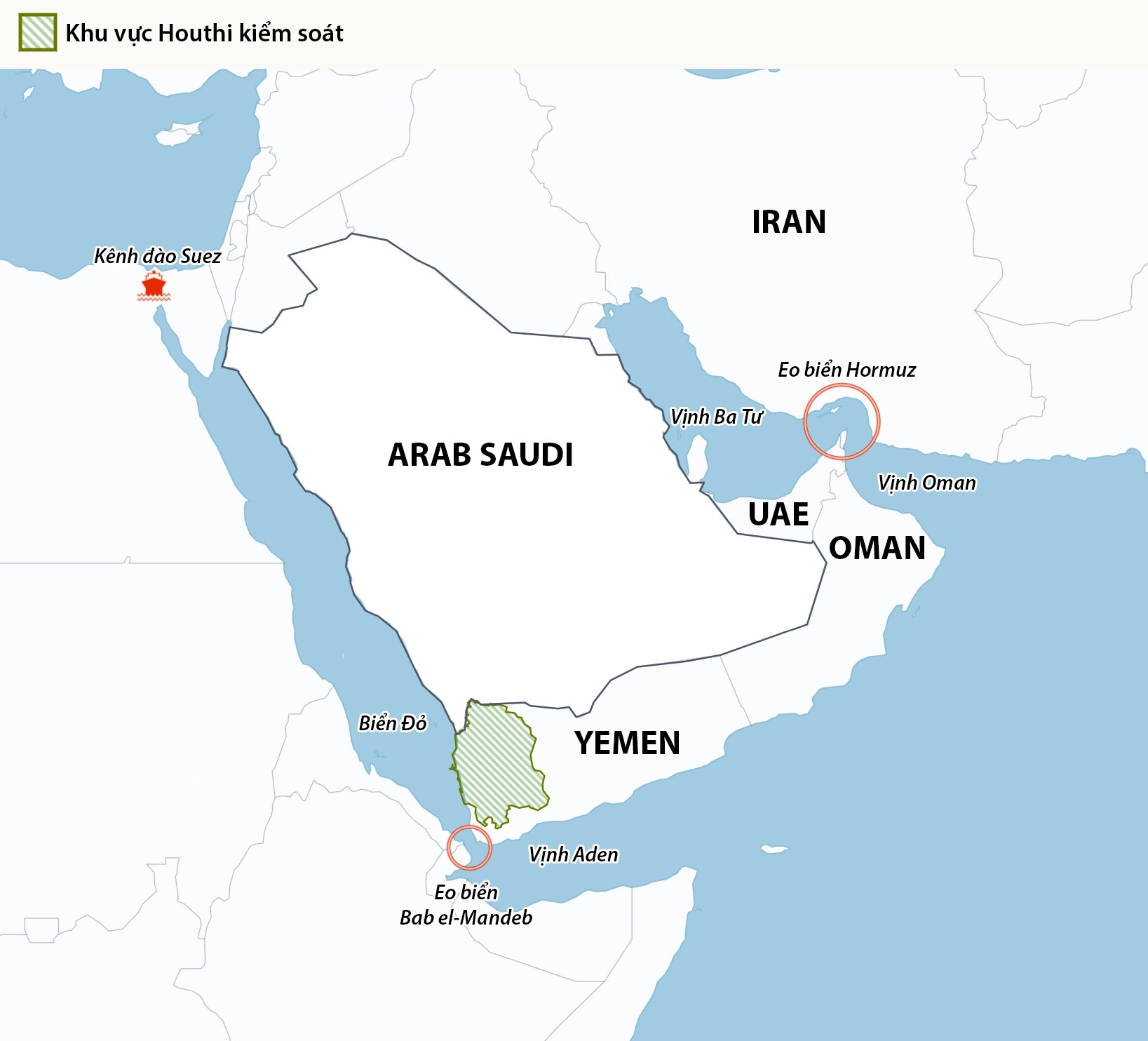 |
Location of the Red Sea, Bab el-Mandeb Strait. Graphic: Open Street Map |
Last week, the Houthi declared a naval blockade against Saudi Arabia. Since then, they have carried out attacks on Riyadh's oil tankers and oil and gas infrastructure.
This blockade threatens Saudi Arabia's ability to export millions of barrels of crude oil daily. It also severs the kingdom's only remaining sea route after Iran tightened control of the Strait of Hormuz.
By Thanh Tam (AFP, Reuters)