Annually in late winter and early spring, northern Vietnam experiences its characteristic humid season, typically in february and march. The air becomes damp with high humidity, causing household items and vehicles to feel perpetually wet, prone to dust accumulation and mold growth. Condensation on windows obstructs visibility, the interior cabin feels constantly damp with unpleasant odors, and electrical systems and exteriors are susceptible to damage, significantly reducing vehicle lifespan.
After ten years of driving, maintaining, and observing vehicles in these conditions, I have compiled ten simple yet effective tips to protect cars during the humid season, which I am sharing for car owners' reference.
First, park your car in a dry, well-ventilated area. Avoid enclosed, damp garages where humid air can accumulate, causing condensation on windows and mold growth in the interior. If possible, choose a sheltered, airy spot, or slightly open the car doors to allow air circulation and dissipate moisture.
Second, use moisture-resistant and absorbent floor mats. Additionally, placing dehumidifying bags or silica gel packets in the cabin will reduce moisture levels.
Third, wipe down windows and surfaces after each trip. Drying with a soft cloth or microfiber towel will limit water accumulation, improve visibility, and prevent rust. For the windshield, you can use a specialized anti-fog agent, which not only keeps the glass clear but also enhances driving safety.
Fourth, inspect and clean the air conditioning system. It is advisable to run the air conditioner in dry mode before turning off the car, or use the dehumidifying mode if available. Regularly cleaning the air filter helps maintain clean air inside the car, reducing damp odors and bacteria.
Fifth, protect the interior from humidity. Leather or fabric interiors are particularly susceptible to mold during the humid season. Use a dry cloth to clean surfaces, and apply a specialized conditioning solution. If you notice a damp smell or small mold spots, address them immediately with a mild antibacterial solution to prevent spreading.
Sixth, protect the car's paint and undercarriage. Humid conditions during this season can easily cause undercarriage rust and paint damage. Regularly wash and dry your car, and if possible, apply a protective wax layer to the surface. Inspect the undercarriage, welds, and screws, applying anti-rust grease if necessary, especially for cars that have been in use for a few years.
Seventh, keep the trunk dry. The trunk compartment is often overlooked but is a prime area for moisture accumulation. Avoid storing paper or fabric items that can easily absorb dampness. Use moisture-resistant mats, dehumidifying bags, and periodically open the trunk to allow air circulation and keep items dry and fresh.
Eighth, avoid placing electronics directly on seats or the floor. Phones, tablets, and other electronic devices are highly sensitive to humidity. Use moisture-proof bags and store them in glove compartments or sealed trunks. This not only protects the devices but also prevents the risk of electrical shorts when the car starts.
Ninth, make it a habit to open doors and warm up the car before driving. Each time you enter your car during the humid season, open the doors for two to three minutes, then turn on the fan or air conditioner in heating mode to equalize the temperature and reduce condensation on the windows. After a few minutes, the interior air will stabilize, ensuring clear visibility and safer driving.
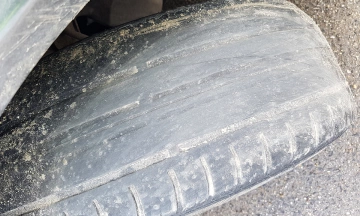
Tenth, perform regular maintenance and inspect electrical systems, brakes, and tires. Finally, the humid season is an excellent time to thoroughly check all electrical systems, brakes, tires, and other critical components. Humidity reduces braking effectiveness, corrodes electrical connectors, and increases tire slippage. Regular maintenance and inspections help detect issues early, preventing road hazards.
Crucially, car owners should remember that protecting their vehicle is not just about maintaining its appearance, but also about ensuring the safety, well-being, and longevity of their trusted companion.
Reader Bao Ngoc