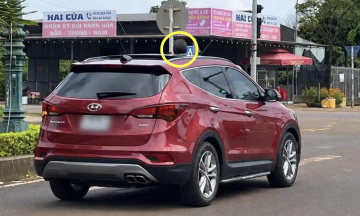
Hanoi's recent decision to install, then remove, 0-50-100 m distance signs on Nhat Tan Bridge within days highlights a significant effort by authorities to ensure safe following distances on highways and oto-only roads. While this demonstrates commitment, it also reveals confusion and questions about the effectiveness of current measures. In my opinion, placing such signs has never addressed the fundamental problem of maintaining safe following distances.
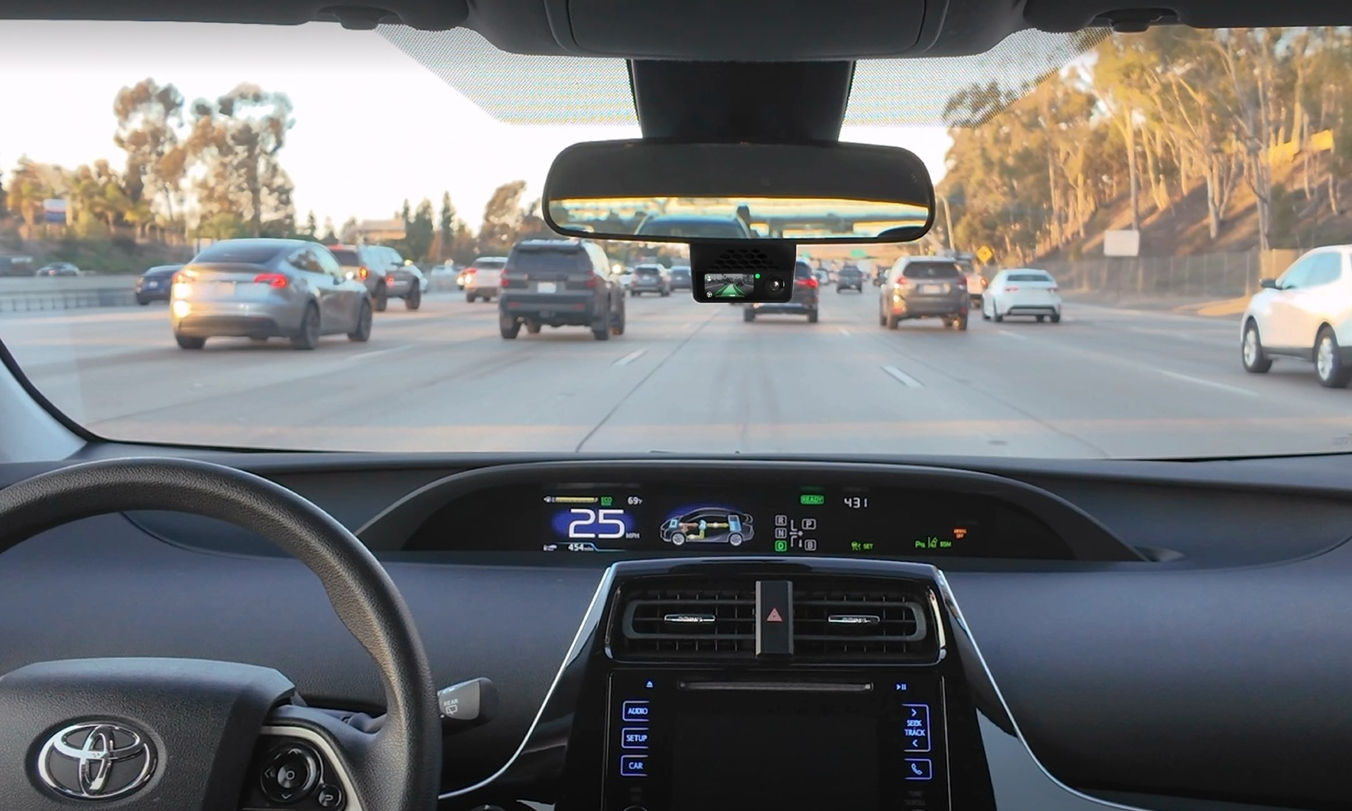
Based on my experience driving on highways abroad, the primary reason drivers maintain safe distances is consistent speed. If all vehicles travel at similar speeds, there is no need for drivers to tailgate others.
Our highway driving skills are highly inconsistent. Some drivers, lacking both awareness and skill, often maintain 60 km/h in the left lane. Conversely, coach drivers frequently aim for, or even exceed, the maximum speed, leading to tailgating and unsafe distances.
To maintain smooth traffic flow, the solution is to tighten regulations by setting maximum and minimum speed limits closer together for each lane. For example, on a three-lane highway: lane one could be 100-120 km/h, lane two 80-100 km/h, and lane three 60-100 km/h.
Once these speed ranges are established, strict enforcement is crucial. This means heavily penalizing drivers who go below the minimum speed without objective reasons, as well as those hogging the left lane. For instance, a driver traveling at 100 km/h in the left lane, even if within the speed range, should be penalized if they fail to yield to a vehicle requesting to pass at 120 km/h.
Regulations will not be smoothly self-enforced by drivers without strict sanctions. Only through penalties, particularly financial ones, will public awareness truly change. Consider Singapore: we often praise their good public awareness, but few mention their very strict penalties.
Reader Ngo Anh