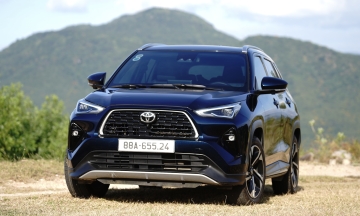
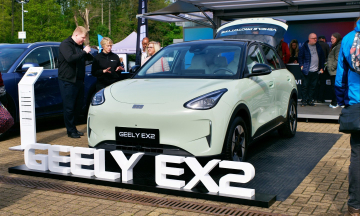
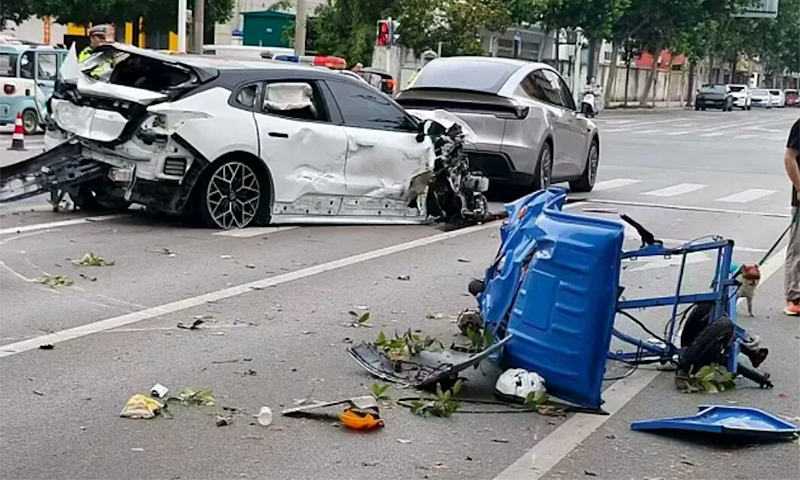
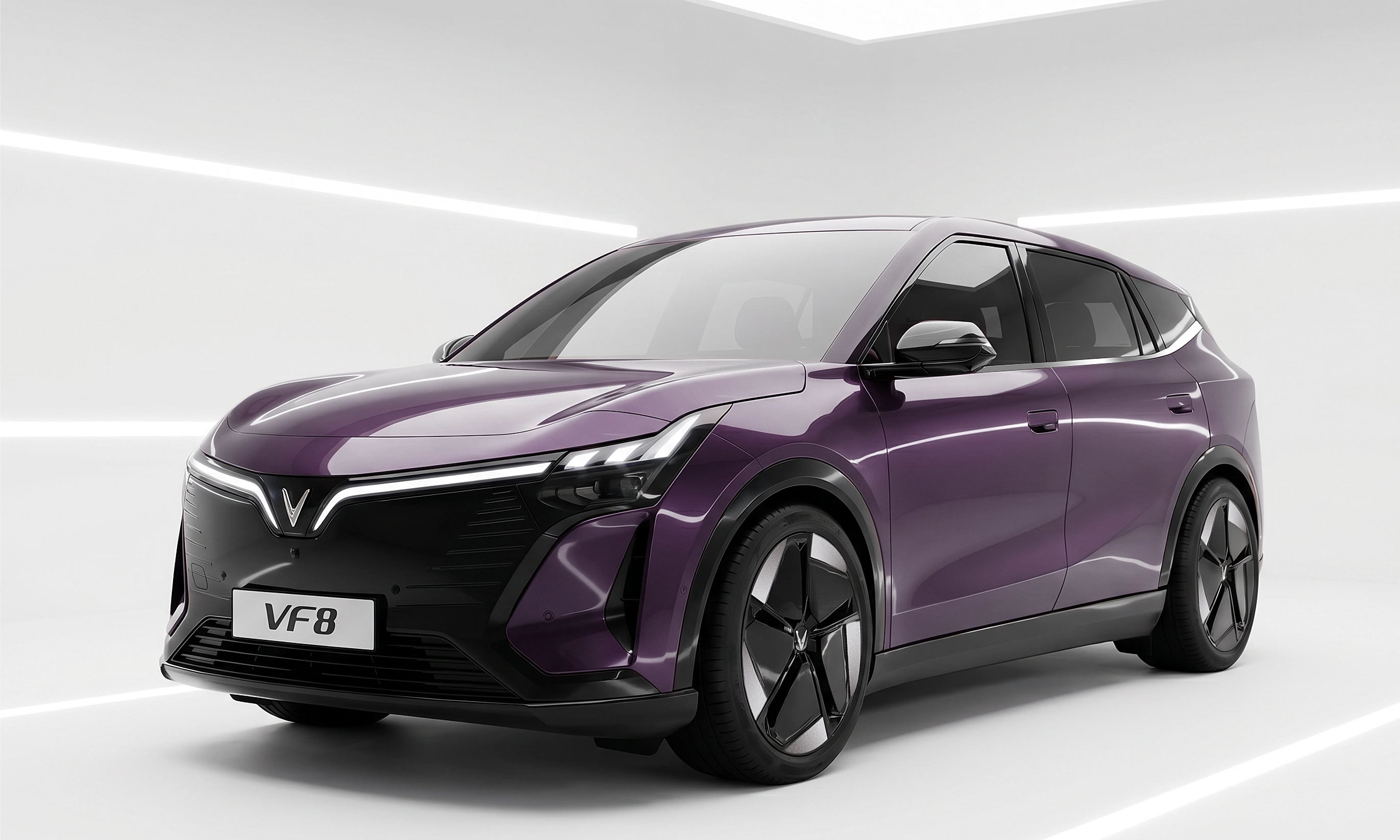
The two new national standards are: safety requirements for electric vehicles (GB18384-2025) and safety requirements for electric vehicle batteries (GB38031-2025), which will control safety from the component level (battery) to the entire vehicle.
This initiative comes amidst explosive growth in China's electric vehicle market. Data from the China Association of Automobile Manufacturers (CAAM), released on 10/6, showed that electric vehicle production and sales in last may reached 1,554 million and 1,496 million units respectively. By the end of 2025, the total number of electric vehicles in circulation in the country had reached 43,97 million units.
New advancements in safety technology
A key feature of the new electric vehicle standards is the mandatory "one-button emergency power cut-off" mechanism. Unlike previous software-dependent systems, drivers can now mechanically disconnect the high-voltage circuit from the energy storage system. This improves response time and enhances safety for rescue operations during incidents.
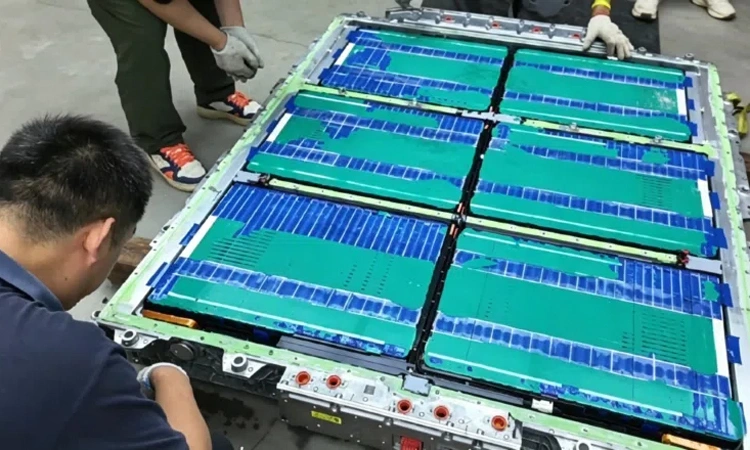 |
BYD electric vehicle battery pack. Photo: Weibo |
The new standards for electric vehicle batteries introduce new provisions. Previously, a 5-minute warning before a fire or explosion was sufficient. Now, the system must not ignite or explode, and any emitted smoke must not endanger passengers in the cabin.
The standards also include an underbody impact test to assess the battery casing's protection against scrapes. Batteries must undergo safety testing after 300 fast charging cycles and ensure no fire or explosion during external short-circuit tests.
Significant impact on the market and vehicle prices
Experts believe these new regulations will accelerate the consolidation of the electric vehicle industry, removing companies that compete unfairly with cheap, low-quality products. The standards will also provide a basis for more accurate pricing of used electric vehicles, easing concerns in the insurance industry regarding high premiums or refusal to insure pre-owned EVs.
Major manufacturers have already taken proactive steps. CATL announced that its entire range of battery products for passenger and commercial vehicles passed the new standard tests as of 5/2025. BYD also confirmed that its second-generation Blade battery met the standards, with actual parameters exceeding mandatory requirements.
Analysts predict these strict standards could increase battery production costs, indirectly pressing the selling prices of new models launched after july. However, the final selling price will depend on each automaker's cost management and competitive strategy.
Moving forward, the Ministry of Industry and Information Technology and the State Administration for Market Regulation of China will continue to refine related regulations. Most recently, the standard for vehicle fire detection equipment (GB47497-2026) was issued, focusing on early warning of battery overheating.
My Anh (according to CarNewsChina)