A-segment car sales continued their decline in may, with the entire segment selling only 158 vehicles, a 9,2% decrease from the previous month. This marks the lowest sales figure in three years. In contrast to the 2023-2024 period, when sales were stable at around 1,000 vehicles per month, the affordable urban hatchback/sedan segment is showing clear signs of recession amidst the rise of small CUVs and electric vehicles.
The Hyundai i10 continued to lead the segment, selling 155 vehicles in may. However, sales for the Korean model decreased by 10,9% compared to the previous month, which saw 174 vehicles sold. With Kia ceasing to report Morning sales since early 2026, the i10 now faces almost no direct competition within the traditional A-segment.
In the remaining position, the Toyota Wigo sold three vehicles in may, an improvement from zero vehicles the previous month. Despite this, sales for the Japanese hatchback remain very low, with figures barely countable on one hand over the last three months. Year-to-date, the Wigo achieved sales of 203 vehicles, largely due to strong results in the first month of the year.
Once a vibrant segment with options like the Hyundai i10, Kia Morning, and Toyota Wigo, the A-segment is now gradually shrinking in size. Currently, the Hyundai i10 maintains its leading position, while the Toyota Wigo struggles to find its footing in the market.
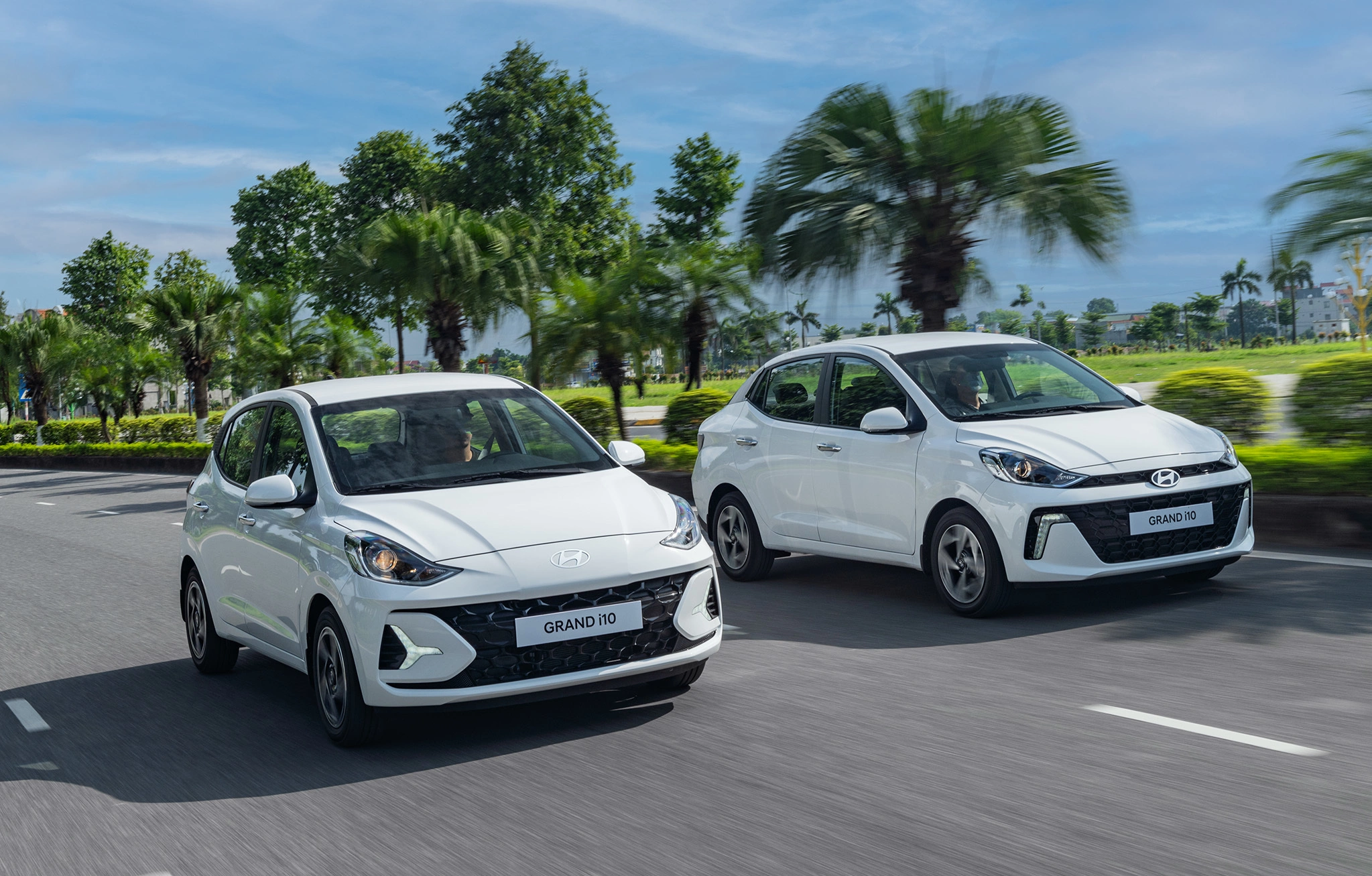 |
Hyundai i10 hatchback and sedan versions. Photo: TC Motor. |
The decline of the A-segment car market occurs as consumers increasingly have more options in the price range under 500 million VND. While small hatchbacks were once a common choice for first-time car buyers or ride-hailing services, users now tend to shift towards A-segment CUVs, electric vehicles, or used cars that offer more spacious interiors. The price gap between A-segment cars and some small high-ground clearance models has also narrowed, diminishing the cost advantage of urban car groups compared to before.
Ho Tan