The purchasing power for electrified vehicles continued to be the main growth driver for the European automotive market in May, offsetting the severe decline in gasoline and diesel car sales, and simultaneously paving the way for Chinese brands to expand their market share.
Data released by the European Automobile Manufacturers' Association (ACEA) on 23/6 revealed that the total number of new vehicle registrations in the European Union (EU), the UK, and the European Free Trade Association (EFTA) reached 1,152,523 vehicles in May, an increase of 3,6%. For the first five months of the year combined, new vehicle registrations rose by 4,5% compared to the same period in 2025.
Electrified vehicle segments are entirely dominating growth momentum. Specifically, new registrations for battery electric vehicles (BEVs), plug-in hybrid electric vehicles (PHEVs), and hybrid electric vehicles (HEVs) increased by 39,1%, 13,2%, and 8,2% respectively. In total, these three segments accounted for more than 66,7% of all new vehicles in the market in May.
"The market continues to benefit from strong consumer demand for electrified technologies in key European countries, thanks to sustained or revised tax incentives and financial support policies," ACEA stated.
Conversely, demand for traditional internal combustion engine vehicles plummeted, with both gasoline and diesel car sales declining by approximately 19%.
Western 'giants' lose market share to Chinese rivals
This technological shift is causing traditional European automakers to gradually lose their standing. Sales for Renault, Stellantis, and Volkswagen all declined by 1%-3%, reflecting intensifying competitive pressure, according to Reuters.
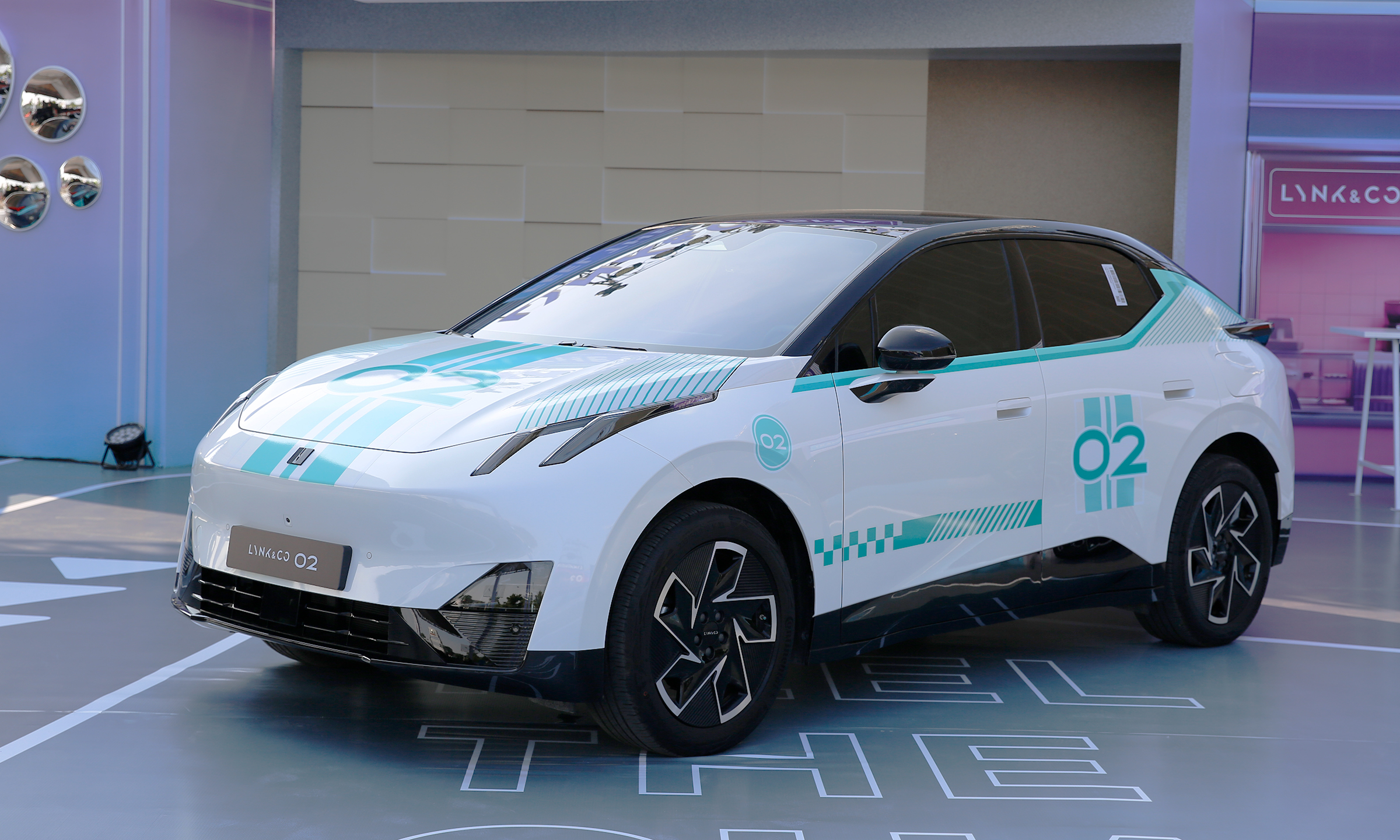
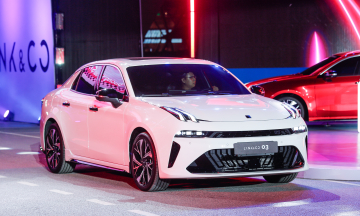
In contrast, Chinese car brands recorded breakthrough growth. In May, Leapmotor's sales surged by 465,1%, while Chery and BYD also saw increases of 244,1% and 136,6% respectively. Two other representatives, Geely and SAIC, recorded increases of 12,6% and 13,9% respectively.
Meanwhile, Tesla continued its recovery for the fourth consecutive month, with new vehicle registrations sharply increasing by 107,9% to reach 28,610 units. This marks an impressive comeback for the American automaker after more than a year of continuous sales declines.
 |
The T03 model, a top-selling electric vehicle from Chinese brand Leapmotor in Europe. Photo: Top Gear. |
Europe needs assistance
The rapid growth of China's automotive industry is not an overnight phenomenon. It is the result of decades of quiet accumulation, and once a development trajectory is found, this breakthrough momentum becomes almost unstoppable. While their domestic market shows signs of slowing, Chinese car brands are still making bold moves in both Asia and Europe.
In this situation, European automakers are struggling to catch up with rivals on their home turf, as Chinese car brands continuously erode their market share. This rapid development speed is the key enabling Chinese vehicles to expand further into the old continent – a pace that European car manufacturers have yet to match.
Traditional European automakers are well aware of this and are opening their doors to increase cooperation to counter the wave from China. According to a report from Automotive News, more and more companies are joining the Eclipse Foundation – a major open-source software organization – most notably Stellantis and Traton. Previously, the German automotive 'big three' – BMW, Mercedes, and Volkswagen – were already members of this organization. Additionally, leading component suppliers like Bosch, ZF Friedrichshafen, and Schaeffler are also participating.
Stellantis's entry is considered a landmark move, as this alliance holds a large number of car brands. Stellantis's European brand portfolio includes Peugeot, Citroën, and DS from France; Fiat, Alfa Romeo, Abarth, Maserati, and Lancia representing Italy; along with Opel (Germany) and Vauxhall (UK).
This situation also places European automakers in a 'dilemma'. If they accelerate their development speed, they face the risk of releasing unfinished products, which could further alienate customers. Conversely, if they choose a 'wait-and-see' approach to ensure stable operating systems, their speed will be slowed, leaving these car brands perpetually at a disadvantage.
My Anh