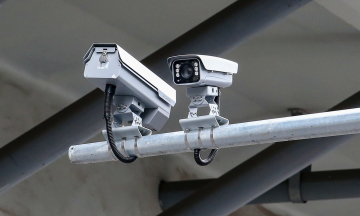
On 13/8, the Traffic Police Department announced its proposal to amend certain provisions in the Law on Handling Administrative Violations. The draft legislation, currently being prepared for submission to the National Assembly, aims to fully digitize the entire process of handling administrative violations in the traffic sector.
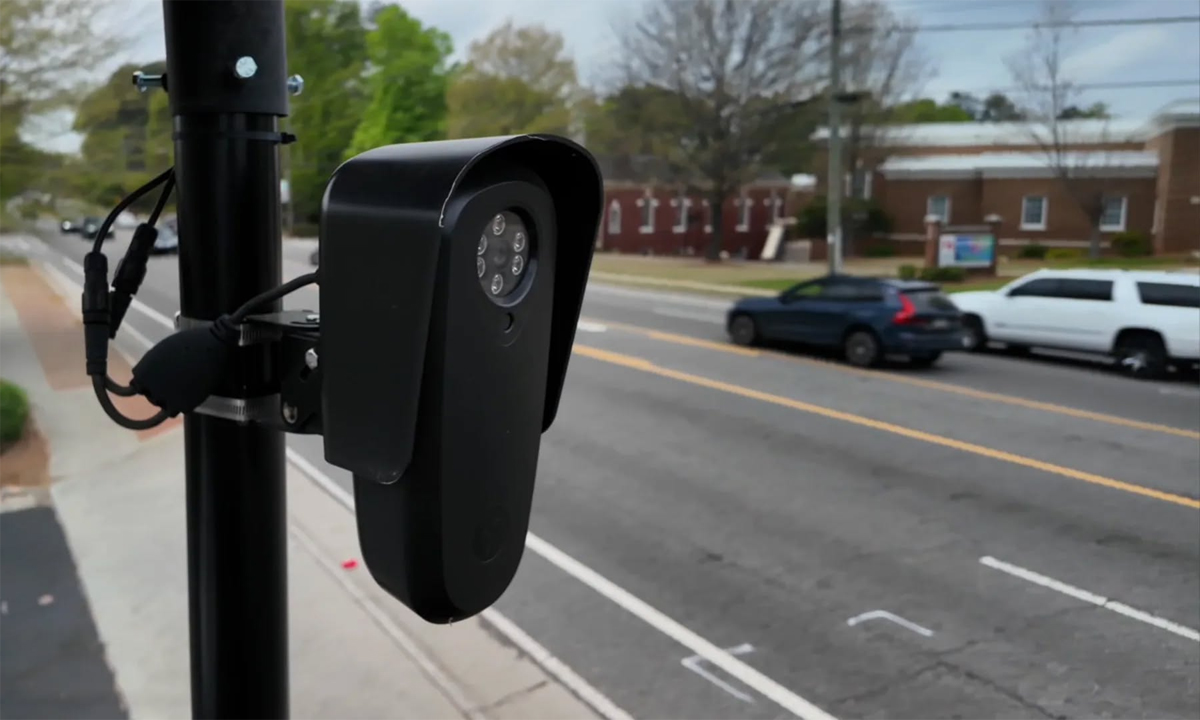
According to the Traffic Police Department, for violations detected by cameras, speed guns, breathalyzers, and weighbridges, authorities could issue penalty decisions based on electronic evidence alone. This would eliminate the current need for in-person record-keeping, a key step in the existing process.
Specifically, the proposed system would automatically send notifications to an individual's or organization's digital identification account within two hours of a detected violation. Violators would then confirm whether they agree or disagree with the notification content. If they agree, they could proceed with online fine payment, contacting authorities for resolution if any issues arise.
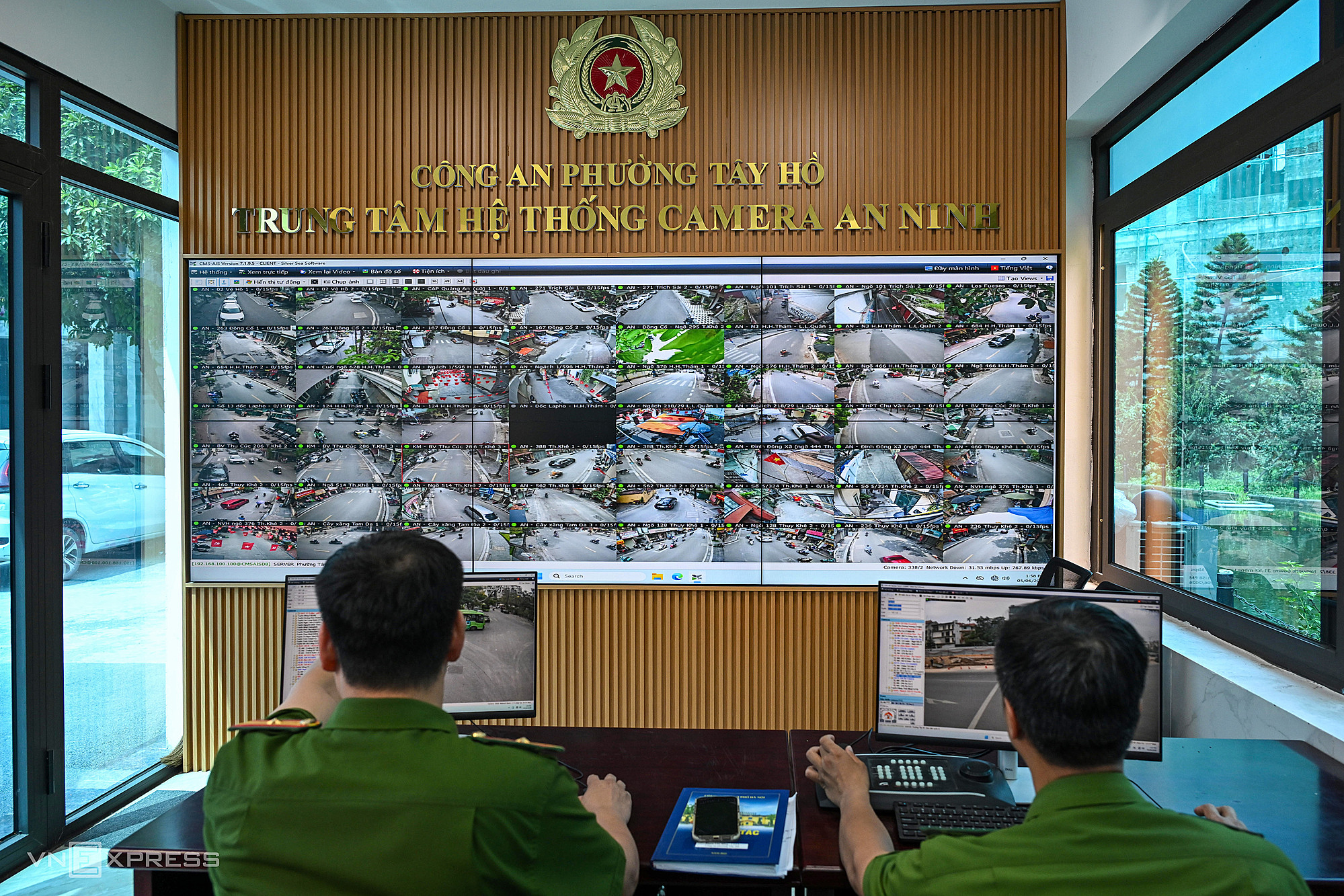 |
Security camera system center at Tay Ho Ward Police, Hanoi. *Giang Huy*
The Traffic Police Department believes that the development of digital identification applications like VNeID and VNeTraffic, alongside professional technical equipment, will facilitate the online processing of traffic violations. Commune-level police are expected to serve as the information hub for violations concerning residents in their areas. The Law on Handling Administrative Violations is anticipated to be passed and come into effect in 2027.
Online fine payment still requires a visit to the police station
Currently, while violators can pay cold fines online, the entire process cannot be completed remotely. After a camera system records a violation, authorities must verify the vehicle and its driver. The vehicle owner or violator still needs to visit a police station to clarify details, identify the driver, and complete the official record. Only after a penalty decision is issued can individuals choose to pay the fine online.
Consequently, even with photographic or electronic evidence of the violation, citizens are still required to visit authorities in person to finalize certain procedures. In busy reception areas, people may face long queues and waiting times. This process also creates a significant delay between the time of the violation and when the driver fulfills their payment obligation.
Le Thuong Tien from TP HCM, who has paid cold fines multiple times, stated that each procedural step takes about 2-3 hours, which is time-consuming. He supports the proposal for entirely online cold fine processing, enabling citizens to fulfill their obligations more quickly.
According to Tien, it currently takes about two weeks from the time of a violation until a fine notification is received. This delay can cause violators to forget their actions. He believes that if the system could notify and allow violators to process and pay fines soon after the offense is recorded, people would more readily connect the violation with the penalty. This could help improve traffic compliance, rather than violations occurring and then a long wait before receiving a notification and fulfilling the obligation.
Pham Hai