To achieve its electric vehicle goals, the Tokyo metropolitan government has launched a new subsidy package. This initiative offers up to 1,3 million yen (approximately 8,160 USD) per vehicle, though the actual amount varies by brand. Both individuals and businesses are eligible for these incentives, with no limit on the number of vehicles registered.
The new mechanism increases support for both electric and hybrid vehicles by 300,000 yen (1,880 USD). This raises the total incentive amounts to 1,3 million yen (8,160 USD) for electric vehicles and 1,15 million yen (7,220 USD) for hybrids. Tokyo also maintains existing incentives, including 100,000 yen (620 USD) for vehicles with vehicle-to-load (V2L) capability.
Further incentives include an additional 100,000 yen (620 USD) for installing home charging/discharging equipment. Car owners who commit to using 100% renewable energy can receive 150,000 yen (940 USD). Moreover, electric and hybrid vehicle buyers can get an extra 300,000 yen (1,884 USD) if their home or workplace features a solar power system.
Not all car brands receive equal preference
Customers seeking to maximize their savings must consider the brand carefully. According to Nikkei Asia, models from Toyota, Nissan, and Honda qualify for a 400,000 yen (2,510 USD) subsidy. In contrast, Mitsubishi, BMW, Mercedes, and Tesla vehicles receive 300,000 yen (1,880 USD). BYD vehicles are eligible for only 100,000 yen (620 USD), while Daihatsu currently offers no subsidy in this category.
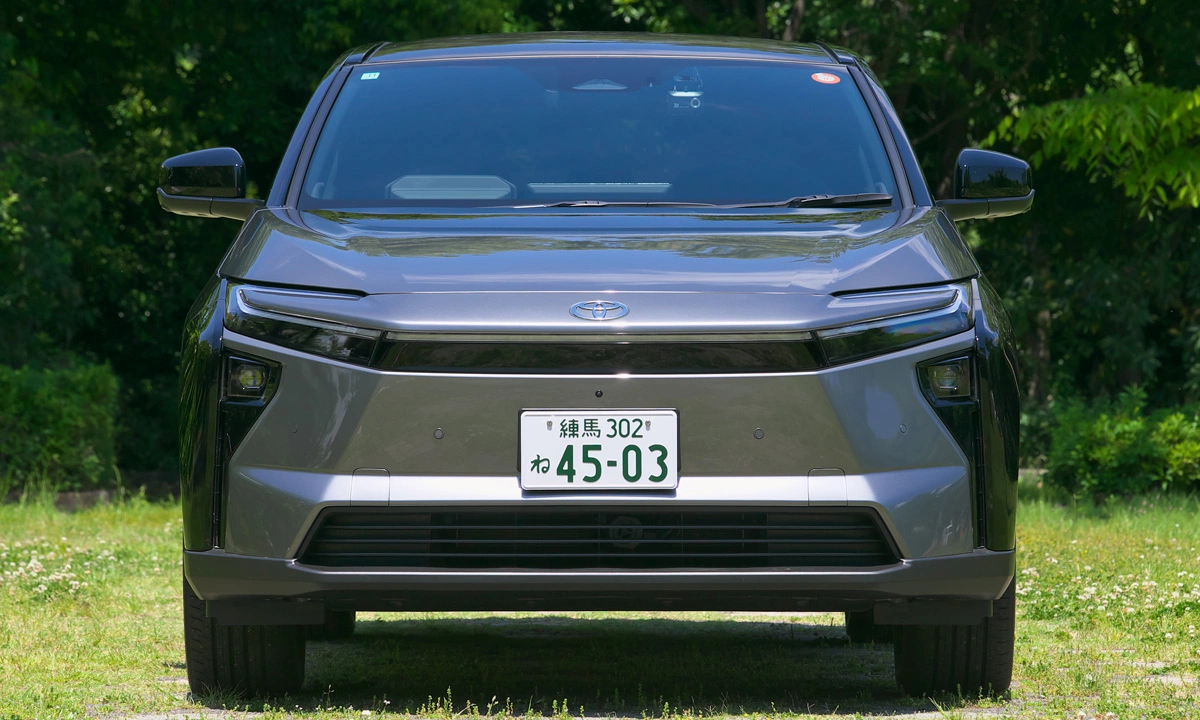 |
The Toyota bZ4X electric vehicle in Japan. Photo: Dime |
Additional incentives are also tied to sales performance. Manufacturers selling at least 60 zero-emission vehicles in Tokyo in 2025 will receive further subsidies. A bonus of up to 200,000 yen (1,250 USD) also applies to vehicles meeting "green transition" standards.
Notably, Tokyo's support packages can be combined with subsidies from the Japanese government, which offer up to 1,3 million yen. However, the national policy also differentiates: vehicles using batteries produced in Japan receive the highest incentives, while BYD vehicles receive a minimum of 150,000 yen (940 USD). This creates a disparity of up to 1,15 million yen (7,220 USD) between BYD and models reaching the national support ceiling.
The Toyota bZ4X exemplifies a model eligible for the full 1,3 million yen from the government. When combined with Tokyo's maximum incentive, total support can reach 2,6 million yen (16,320 USD). This significantly reduces the bZ4X's listed price from 4,8 million yen (30,150 USD) to approximately 2,2 million yen (13,820 USD).
Local officials expect these demand-stimulating policies to boost electric vehicle sales nationwide. Despite these efforts, EVs constituted only 1,6% of total new car sales in Japan in 2025, primarily due to the substantial price gap compared to internal combustion engine vehicles.
Tesla anticipates buying surge
Thanks to these subsidy packages, Tesla is preparing for a period of growth. The US carmaker sold over 10,000 vehicles in Japan in 2025, surpassing its previous record of approximately 5,900 vehicles in 2022, according to Nikkei Asia. This purchasing momentum continues to accelerate, with about 12,000 vehicles delivered in the first 6 months of this year. Tesla has also shifted focus, ceasing distribution of traditional premium models like the Model S to concentrate on its popular Model 3 and Model Y.
To accommodate this growth, Tesla is expanding its delivery network from 7 to 11 locations by the end of this year. The company is simultaneously doubling its import capacity to approximately 48,000 vehicles per year, a sufficient volume to meet rapidly increasing market demand.
My Anh