Hongqi vehicles are a familiar sight in China, but outside its domestic market, the brand remains largely unknown to most buyers. China's oldest and most premium automaker aims for a large-scale expansion in Europe, planning to introduce 15 electric and hybrid models across 25 markets by 2028.
Like many Chinese competitors, Hongqi views global growth as crucial, with Europe being a priority direction. However, the brand's plans face a complex landscape. The European Union (EU) has imposed high tariffs on electric vehicles manufactured in China, increasing both costs and risks for automakers.
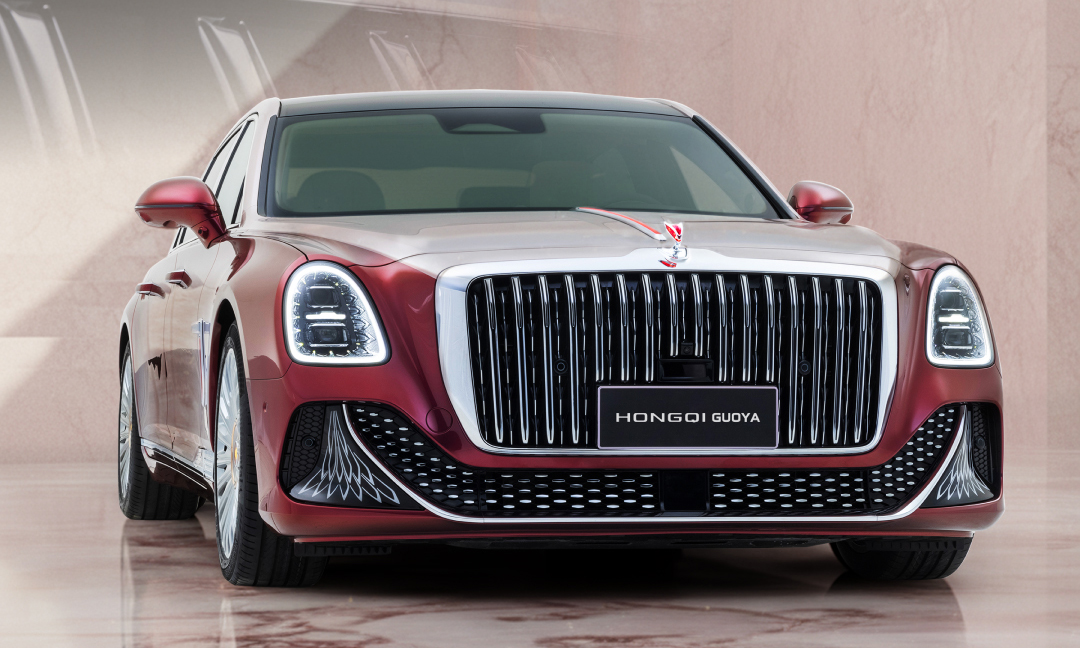 |
Guoya - one of Hongqi's globally available products. *Hongqi* |
In response, Hongqi is exploring local production opportunities. Potential locations are being considered in southern Europe, eastern Europe, and the nordic region. Manufacturing vehicles within the EU could mitigate the impact of tariffs and simplify logistics, especially as the company seeks to establish its presence in a new market.
Hongqi, a subsidiary of the FAW Group, sold only 771 vehicles in Europe up to october, a modest figure compared to its domestic market. However, this number could just be the starting point for its ambitious European strategy.
The most notable new product is the EHS5, a mid-size electric SUV, first displayed at the munich motor show, Germany. This model is equipped with an 85 kWh lithium-ion battery and has a range of 550 km.
European specifications are still being finalized, but in China, the EHS5 comes in two versions: a rear-wheel drive variant with 339 horsepower and an all-wheel drive variant with 610 horsepower. To date, the EHS7 has been Hongqi's most popular model in Europe, but the new EHS5 SUV could bring a change to its market position.
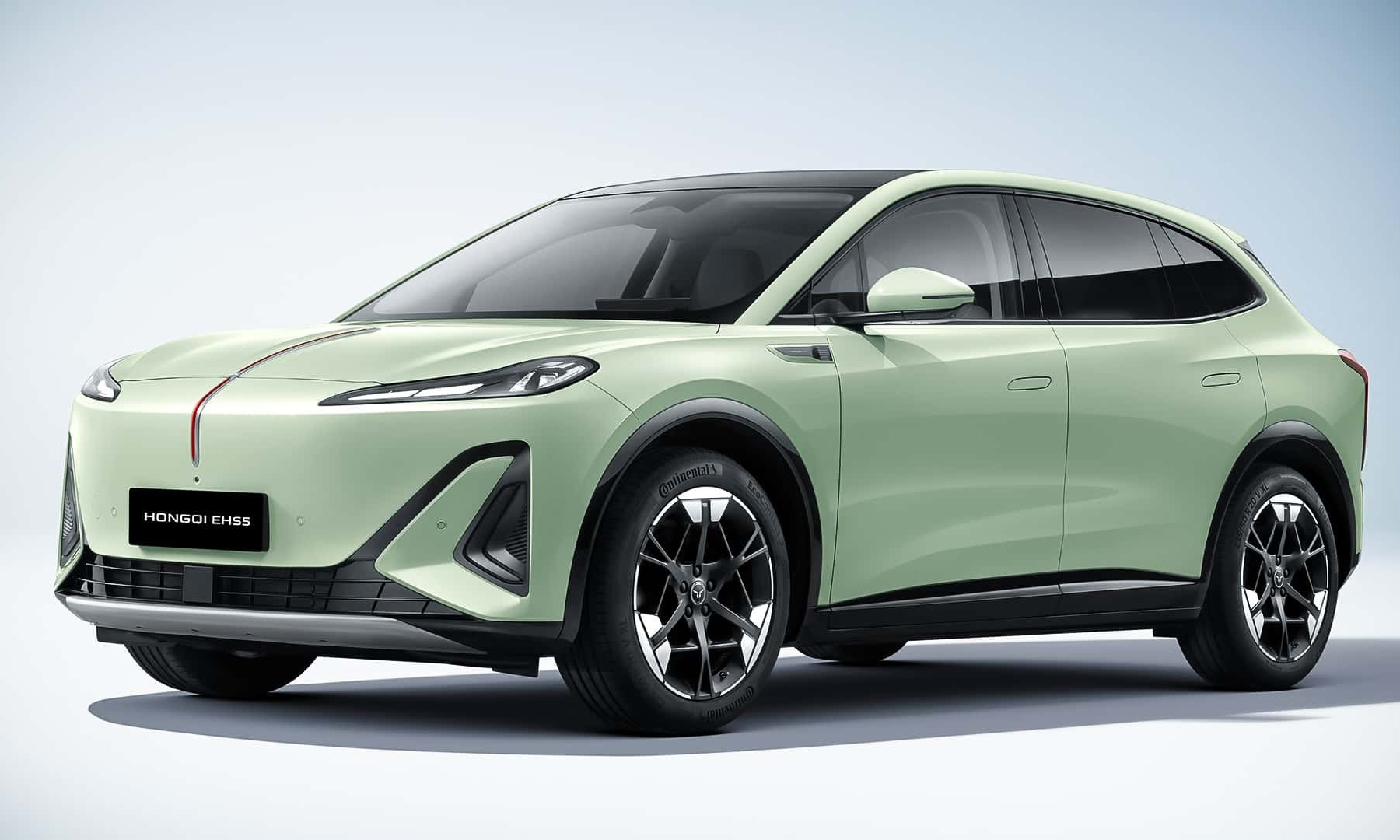 |
EHS5 - Hongqi's new electric vehicle, launched in 2025. *Hongqi* |
Pricing will be key to Hongqi's success in Europe. Other Chinese brands, such as MG, Chery, and BYD, have seen consistent sales growth in the region due to their affordable models.
Giles Taylor, FAW's design director, noted in a comment to Auto News that the relationship with the government allows Hongqi access to technologies "at incredible prices." Such a cost structure could become a strong advantage for the brand in a competitive market.
The brand's ambitious plans are accompanied by concrete steps: developing 15 hybrid and pure electric models, and seeking factory locations in several European regions.
The success of this strategy largely depends on Hongqi's ability to combine its identity with competitive pricing, as well as its capacity to overcome politico-economic barriers, such as EU tariffs, through localized production.
My Anh