Parking cars in front of homes frequently sparks debate in many urban areas. However, instead of granting homeowners the right to decide who can park in front of their property, many countries prioritize protecting property access and assign official authorities to resolve violations.
Protecting property access over prohibiting parking in front of homes
In the United States, parking regulations fall under the jurisdiction of individual states or local governments. A common principle is that drivers may park on public roads if the area has no prohibitive signs and does not violate rules regarding distance or parking duration.
However, most localities prohibit vehicles from blocking driveways (the section connecting a public road to a garage or parking space within a property). Violating vehicles may face fines or be towed to an impound lot. Vehicle owners must pay the fine, towing fees, and storage fees before reclaiming their vehicle.
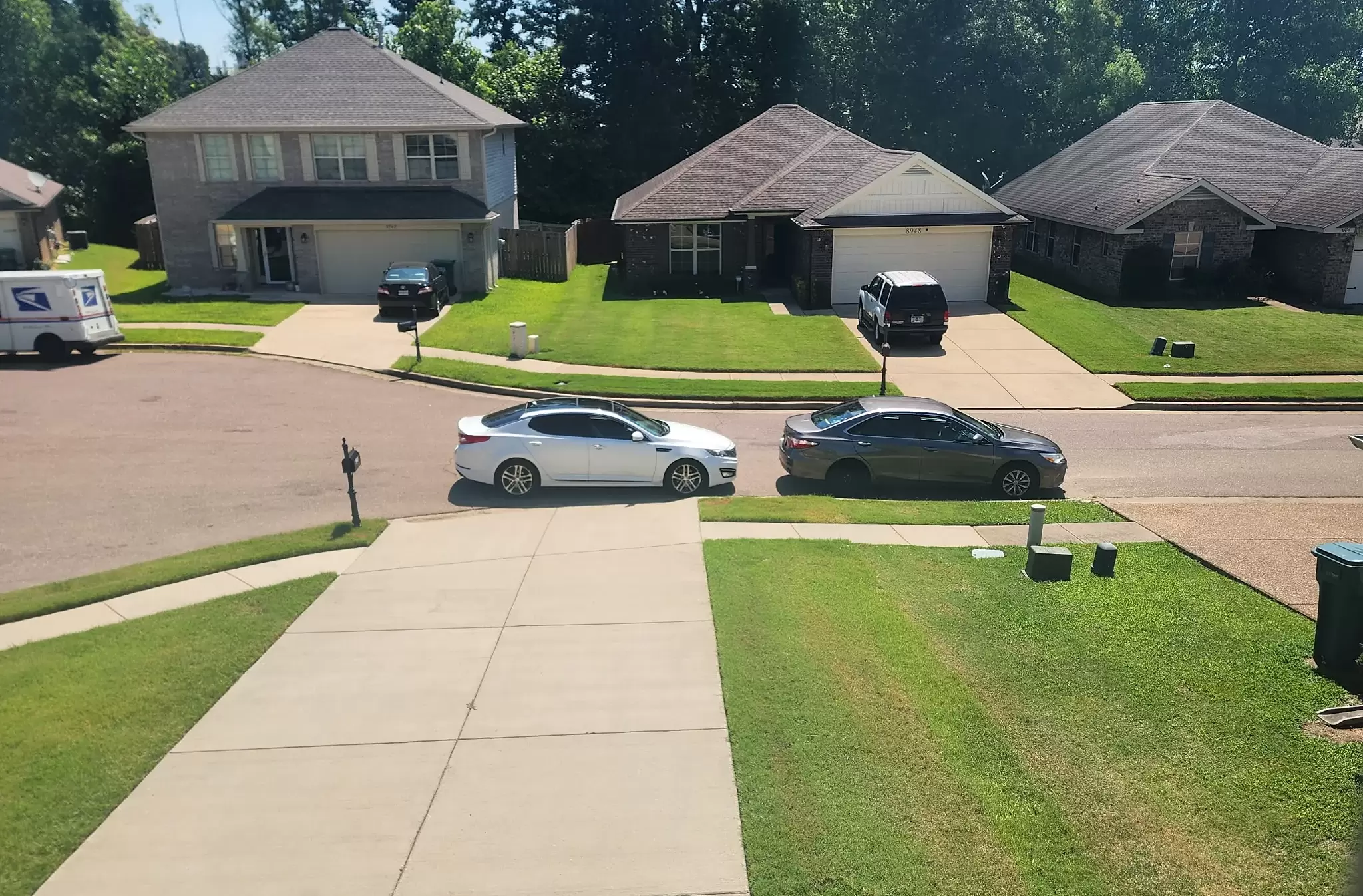 |
A white car blocking a driveway in the United States. *Photo: senterstage74*.
In the United Kingdom, laws also do not prohibit cars from parking in front of other people's homes. However, vehicles must not block dropped kerbs (designated access points for vehicles entering or leaving a property). If a violation occurs, local authorities can issue a fine and even remove the vehicle.
Australia applies a similar principle. New South Wales prohibits vehicles from blocking driveways, while Queensland forbids vehicles from parking on or obstructing property access points, except in specific cases such as short-term pick-up or drop-off.
Homeowners lack authority to self-enforce parking violations
Most nations consider the roadway public space. Therefore, homeowners do not have the right to prevent others from parking simply because a vehicle is in front of their home. Instead, the law protects the right of access to property.
When a vehicle blocks an access point or parks illegally on a public road, residents are advised to contact the police, local government, or parking enforcement. Depending on the severity of the violation and local regulations, authorities can issue a citation, impose a fine, or remove the vehicle.
Conversely, homeowners do not have the right to boot, detain, spray paint, vandalize, or independently hire a towing service for vehicles parked on public roads. Many countries consider these actions property infringement or obstruction of the vehicle owner's legal rights, meaning the perpetrator could face civil or criminal liability if damages occur.
Ho Tan