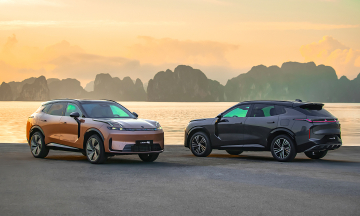
Xiaomi Auto, the Chinese automaker, revealed detailed specifications for its SkyNomad extended-range electric vehicle (EREV) SUV series on 30/7. The company initially launched two high-end versions: the N70 Max, priced at 38,400 USD, and the N90 Max, available for 44,600 USD.
A key highlight is the SkyNomad N70 Max, which boasts a pure electric range of 505 km under the CLTC cycle. According to Lei Jun, Xiaomi's Chief Executive Officer, this makes it the commercial EREV model with the longest pure electric range currently available.
 |
Xiaomi introduces the new SkyNomad series for the domestic market. Photo: XiaomiAuto
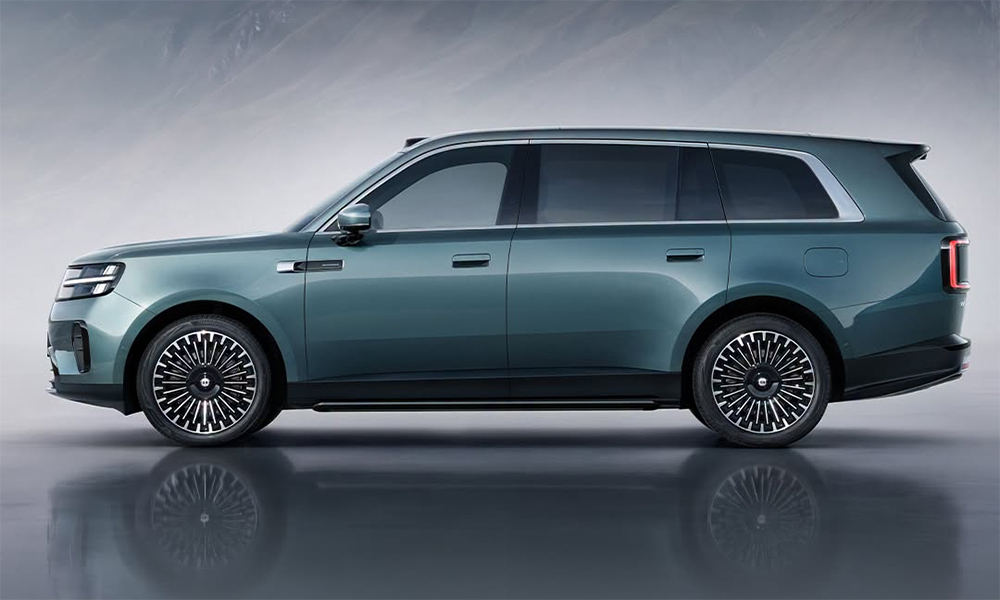 |
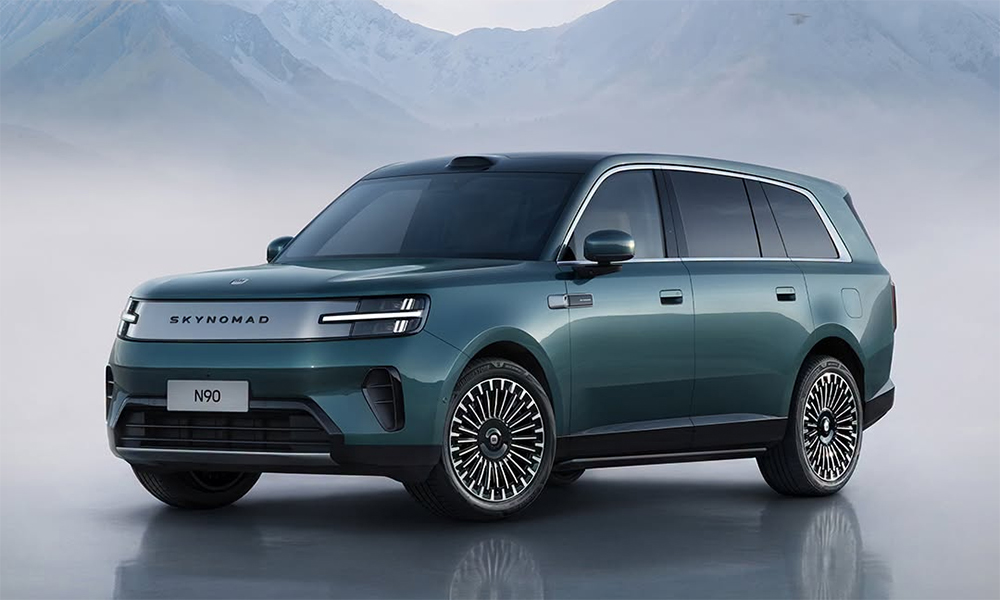
SkyNomad N90 Max has an overall length of 5.285 mm.
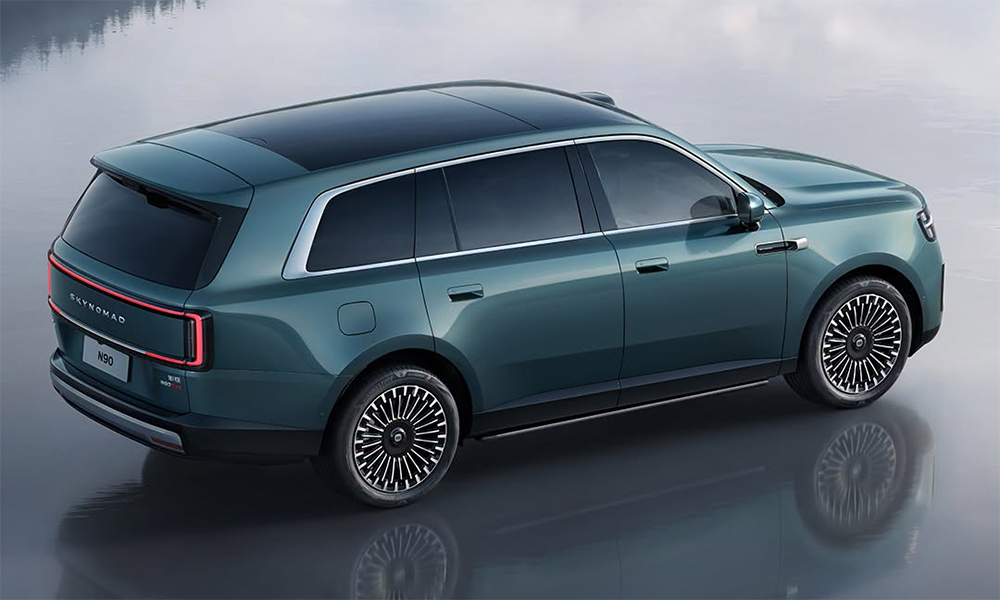 |
SkyNomad N90 Max is a full-size SUV.
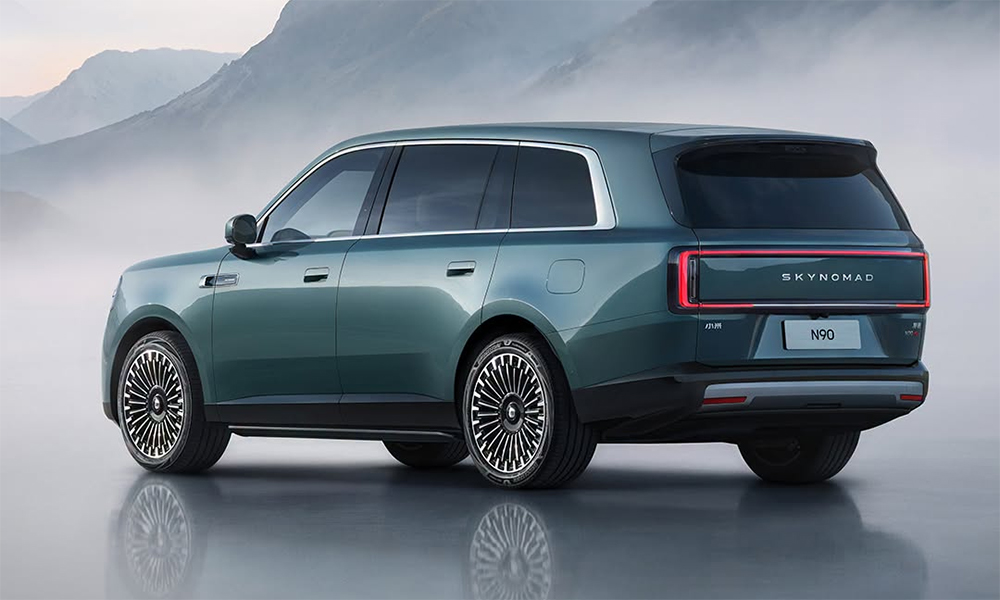 |
Rear light cluster with a distinctive Xiaomi design.
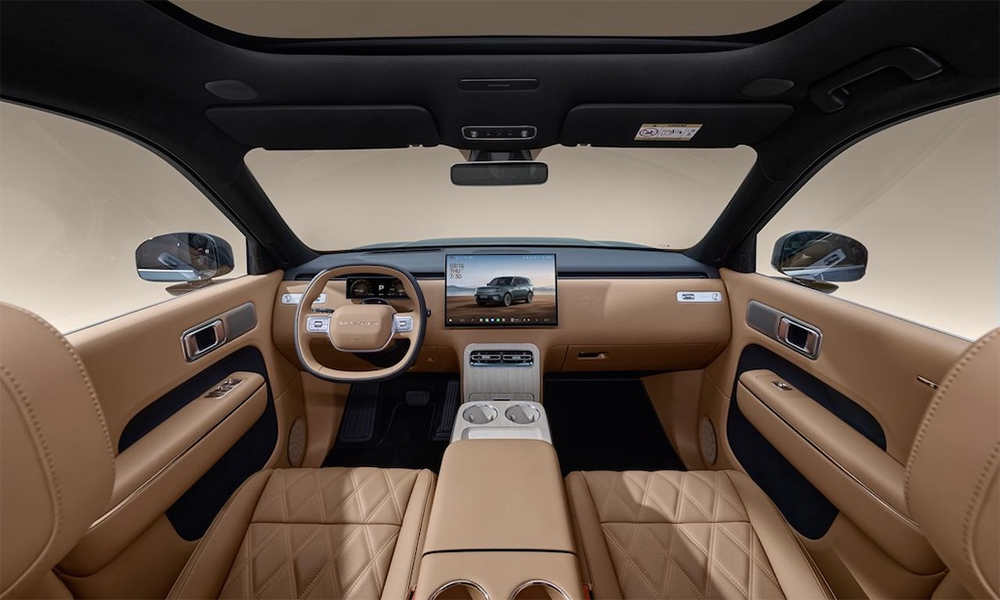 |
Interior design of the SkyNomad N90 Max.
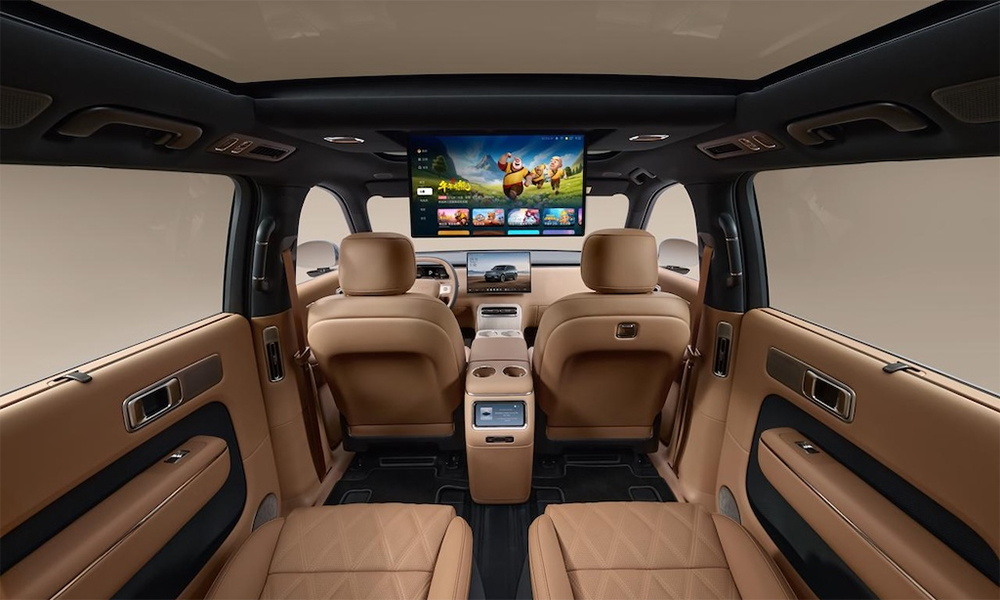 |
The car is equipped with a roof-mounted entertainment screen for the rear seats.
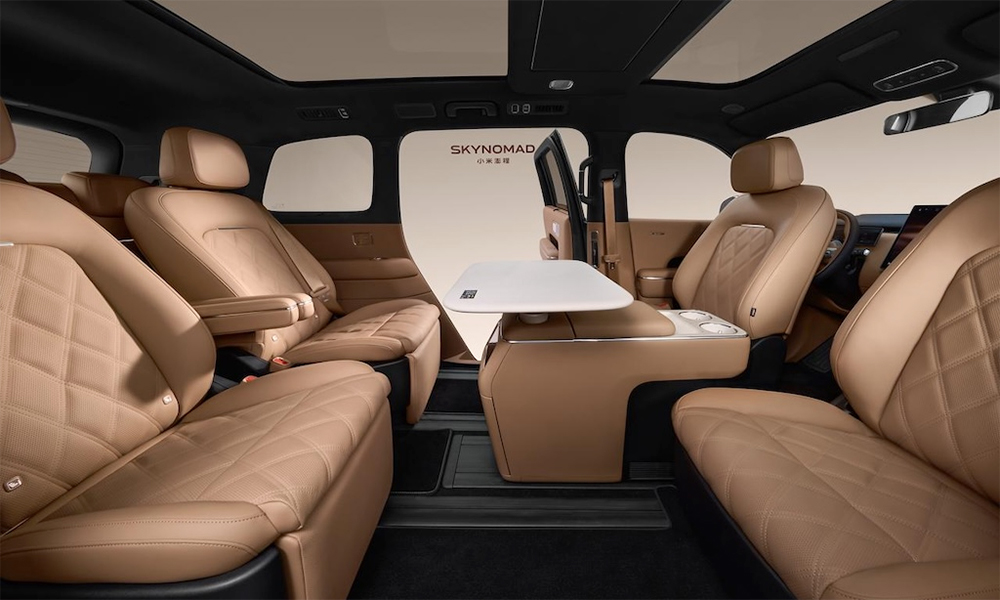 |
All three rows of seats are adjustable.
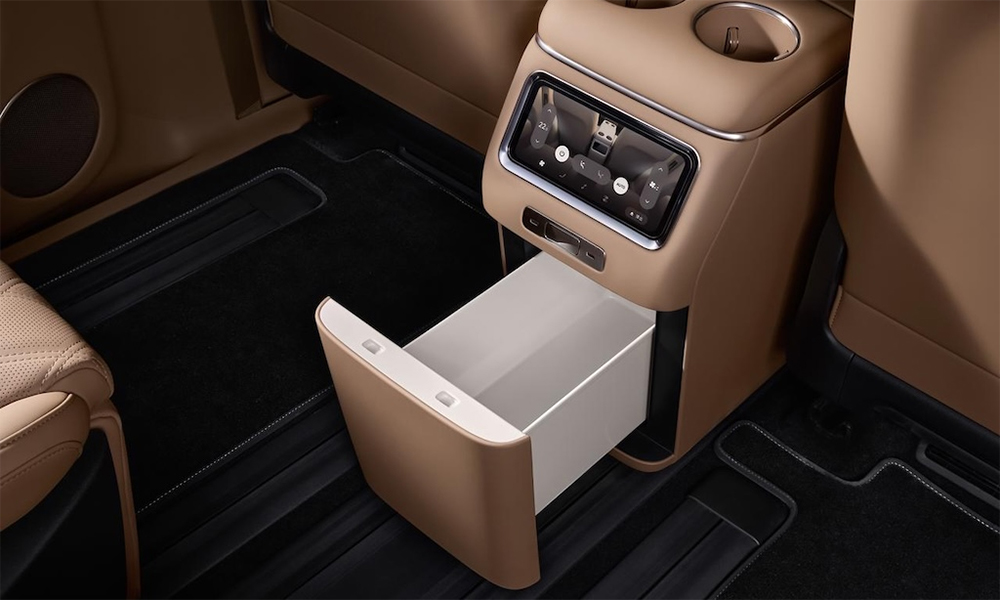 |
Refrigerator for the rear seats.
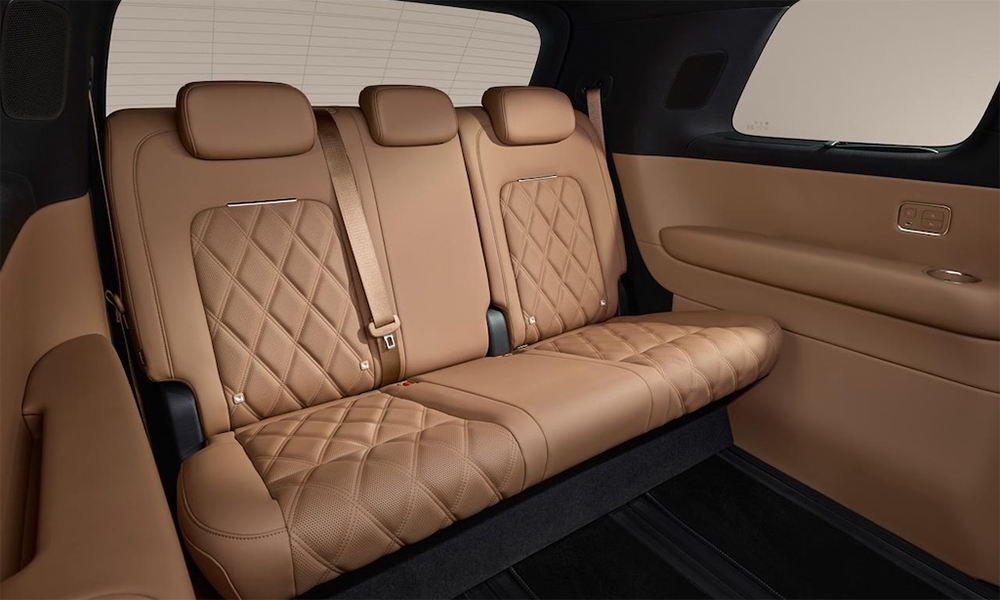 |
The third row of seats in the SkyNomad N90 Max.
The N70 Max is positioned as an EREV, which operates differently from a conventional plug-in hybrid electric vehicle (PHEV). In an EREV system, the internal combustion engine (ICE) functions solely as a generator to charge the battery or supply power directly to the electric motors, which serve as the primary drive. The SkyNomad models utilize a 1,5-liter engine produced by Dongan for this purpose.
Xiaomi equips the SkyNomad N70 Max with a 76 kWh NMC battery pack, providing a maximum pure electric range of 505 km according to CLTC standards. At the technology event, Xiaomi showcased comparisons with other EREV rivals, noting that models with battery capacities between 63,3 kWh and 80,3 kWh achieve 500 km or less in pure electric range. Although Xiaomi did not name competitors, Chinese media suggested "Rival A" closely resembles the Leapmotor D19, which uses an 80,3 kWh battery but has a CLTC range of only 500 km. The Leapmotor D19 is also larger, measuring 5.252 mm long, 1.995 mm wide, 1.780 mm high, with a 3.110 mm wheelbase. In contrast, the SkyNomad N70 Max has overall dimensions of 4.960 mm long, 1.998 mm wide, 1.785 mm high, and a 2.950 mm wheelbase.
Performance-wise, the N70 Max features an all-wheel drive system with two electric motors. The front motor generates 282 horsepower, while the rear motor produces 134 horsepower, resulting in a total system output of 416 horsepower. The 1,5-liter internal combustion engine, acting as a generator, boasts a peak thermal efficiency exceeding 44%, allowing it to generate approximately 4 kWh of electricity from each liter of fuel. The SkyNomad platform achieves low energy consumption, rated at only 15,85 kWh per 100 km under the CLTC cycle. Xiaomi incorporates technologies to optimize energy efficiency, including silicon carbide power electronics, low rolling resistance tires, a lightweight design, and an optimized thermal management system.
The SkyNomad N90 Max, a full-size SUV, shares the same 76 kWh lithium ternary battery but offers a CLTC electric range of 464 km. Xiaomi states a total range of 1.705 km with a full battery and fuel tank. Fuel consumption, when the battery is depleted, stands at 6,26 liters per 100 km according to WLTC standards.
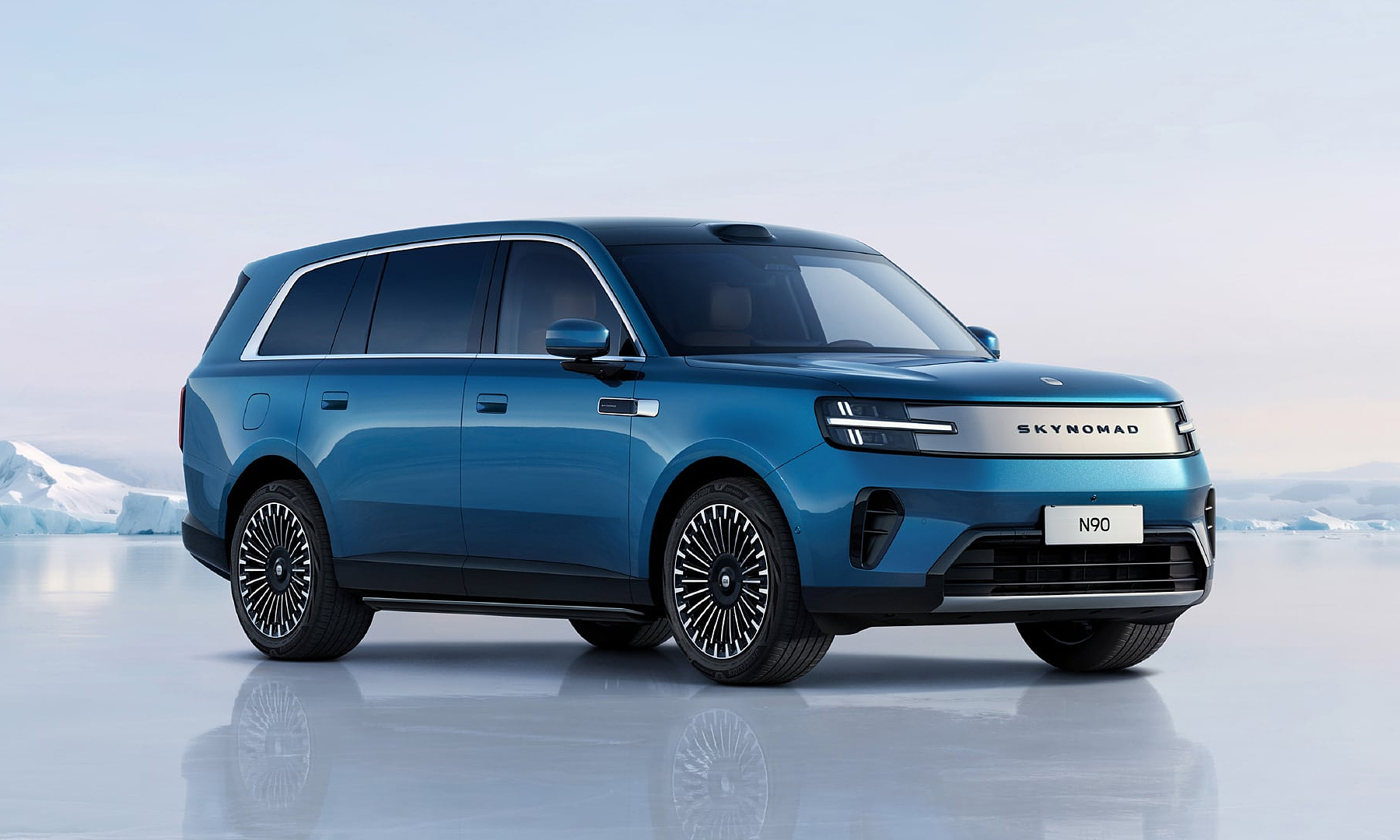 |
Xiaomi Auto's SkyNomad N90 Max priced at 44,600 USD in China. Photo: XiaomiAuto
The N90 Max also employs an all-wheel drive system with two electric motors, delivering a combined 416 horsepower. It accelerates from 0 to 100 km/h in 5,9 seconds and reaches a top speed of 190 km/h. This full-size SUV measures 5.285 mm long, 1.998 mm wide, 1.825 mm high, and has a 3.080 mm wheelbase. Its interior features a seven-seater configuration (2+2+3), with six seat rails enabling flexible forward and backward sliding for the second and third rows. For charging, the N90 Max can replenish 285 km of range in 15 minutes, while a 20-80% charge takes 18 minutes.
The official launch ceremony for the SkyNomad EREV series is scheduled for September, at which point the official prices for lower trim levels will be announced.
Minh Vu (according to CarNewsChina)