Kia has long manufactured the gasoline-powered Sportage in the United States. Now, the hybrid version will join the domestic production line, with manufacturing shifting to Hyundai's Metaplant in Ellabell, Georgia. This facility will also continue to produce electric vehicles like the Ioniq 5 and Ioniq 9.
The decision comes as Hyundai recognized that demand for electric vehicles was not robust enough to solely dedicate the Georgia plant to EV production. Initially, the Metaplant was conceived to focus exclusively on electric vehicles, including the Ioniq 5 and five other EV models from Hyundai, Kia, and Genesis. However, the South Korean automaker confirmed the facility would also produce hybrid models, with the Sportage Hybrid being the first.
US-made Sportage Hybrid models will be available starting with the 2027 model year and are expected to arrive at dealerships this summer. The Metaplant will handle production of all existing Sportage Hybrid versions, including the LX, S, EX, X-Line, and SX-Prestige trims.
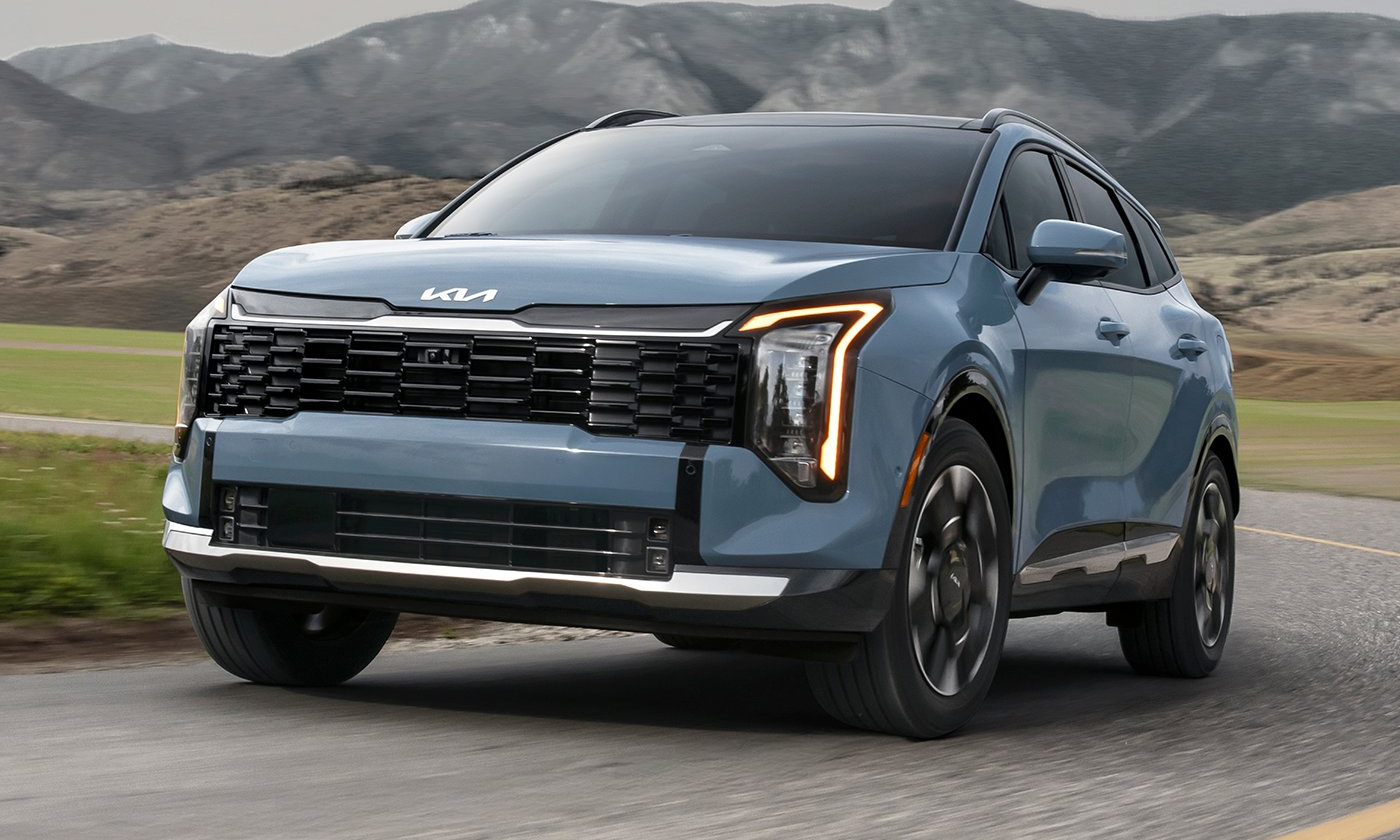 |
The 2026 Kia Sportage Hybrid. Photo: Kia |
The 2027 Sportage Hybrid features a 1,6-liter turbocharged 4-cylinder engine paired with a 1,49 kWh battery pack. This powertrain delivers a combined output of 232 horsepower and 367 Nm of torque. Kia offers the model in both front-wheel drive and all-wheel drive configurations.
Hybrid vehicles have been a key driver of strong business results for Kia and its parent company, Hyundai, in recent months. In 2025, both brands achieved record sales in the US, largely attributed to the high demand for electrified vehicles.
Last April, the Hyundai Sonata Hybrid recorded its best sales performance, with a 171% increase compared to the same period in 2025, contributing to an overall 52% growth for the brand's hybrid lineup.
In May, Kia sold 80.502 vehicles in the US, slightly exceeding the 79.007 units delivered in May 2025. During this period, Sportage Hybrid sales surged by 171%, Sorento Hybrid sales increased by 101%, and Carnival Hybrid sales rose by 32%. Overall, Kia's hybrid sales saw a remarkable 179% increase.
According to Yonhap, if fuel prices remain high and electric vehicle incentives are limited, Hyundai's hybrid sales could continue to grow, potentially narrowing the gap with rivals like the Toyota Camry and Honda Accord hybrids. Conversely, a decrease in fuel prices or the restoration of EV subsidies could slow hybrid growth, prompting Hyundai to intensify its focus on its electric vehicle offerings. Given current market trends, Hyundai appears strategically positioned to capture market share in both scenarios by maintaining a diverse powertrain portfolio.
My Anh