BMW is recalling more than 318,000 vehicles over concerns that starter motors could overheat, posing a fire risk and compromising user safety. The US National Highway Traffic Safety Administration (NHTSA) confirmed the issue, leading BMW to initiate the recall for inspection and component replacement.
This recall impacts a wide range of models and production years, including certain versions of the BMW 3 series, 4 series coupe, 4 series convertible, X3, X4, and the Toyota Supra. Specific models affected are the X3 from 2021-2024, X4 from 2021-2025, 3 series and 4 series from 2023-2024, 230i coupe from 2022-2025, Z4 roadster from 2022-2026, 530i from 2021-2023, and the Toyota Supra from 2023-2024.
The Toyota Supra is included because it was co-developed with the BMW Z4 and utilizes many powertrain, electrical, and electronic systems supplied by BMW. Consequently, the starter motor defect also necessitated a recall for the Supra.
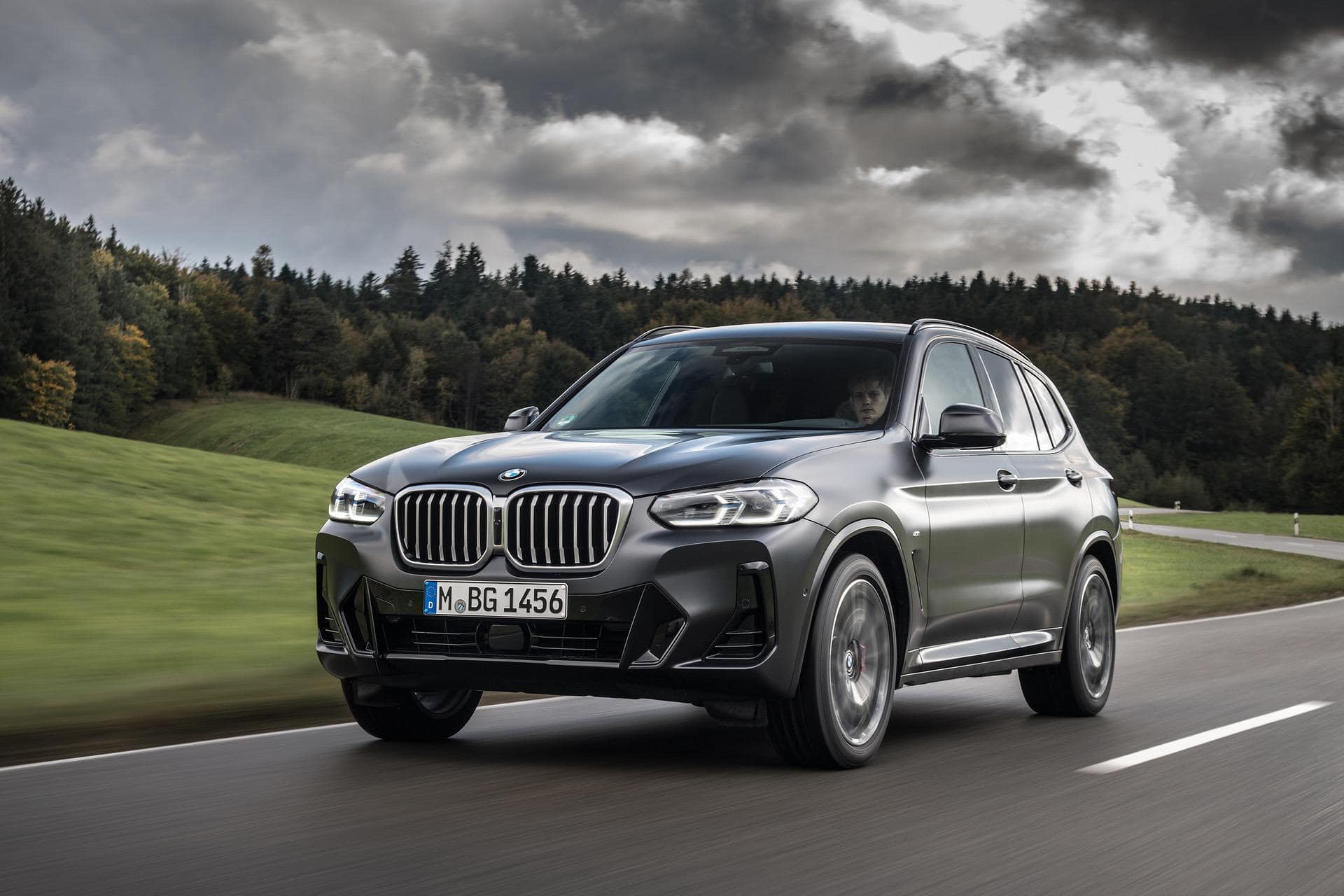 |
A 2022 BMW X3, one of the models affected by the recall. Photo: BMWBlog |
NHTSA stated that BMW dealerships will replace the affected starter motors at no cost to owners. BMW plans to send notification letters to vehicle owners, guiding them on how to schedule inspections and repairs at authorized dealerships.
This is not the first time BMW has addressed issues related to its starting system this year. On 14/7, the company announced a recall of 29,119 plug-in hybrid vehicles in the US after discovering that starter motors were susceptible to corrosion, potentially leading to short circuits and overheating. Unlike the current recall, the fault in the hybrid vehicles could occur even when the vehicle was not operating. At that time, BMW advised owners to park affected vehicles outdoors, away from homes or structures, until repairs were completed.
The current recall of over 318,000 vehicles is also an expansion of a previous campaign. BMW identified that an internal component within the starter motor can wear down over time. Frequent engine starts or operation under adverse conditions can lead to heat buildup, increasing the risk of fire.
In the US, NHTSA oversees recall campaigns and mandates that manufacturers provide free remedies to vehicle owners. Users can check if their vehicle is part of a recall by entering its VIN on the NHTSA website or the manufacturer's site.
Ho Tan (via Reuters)