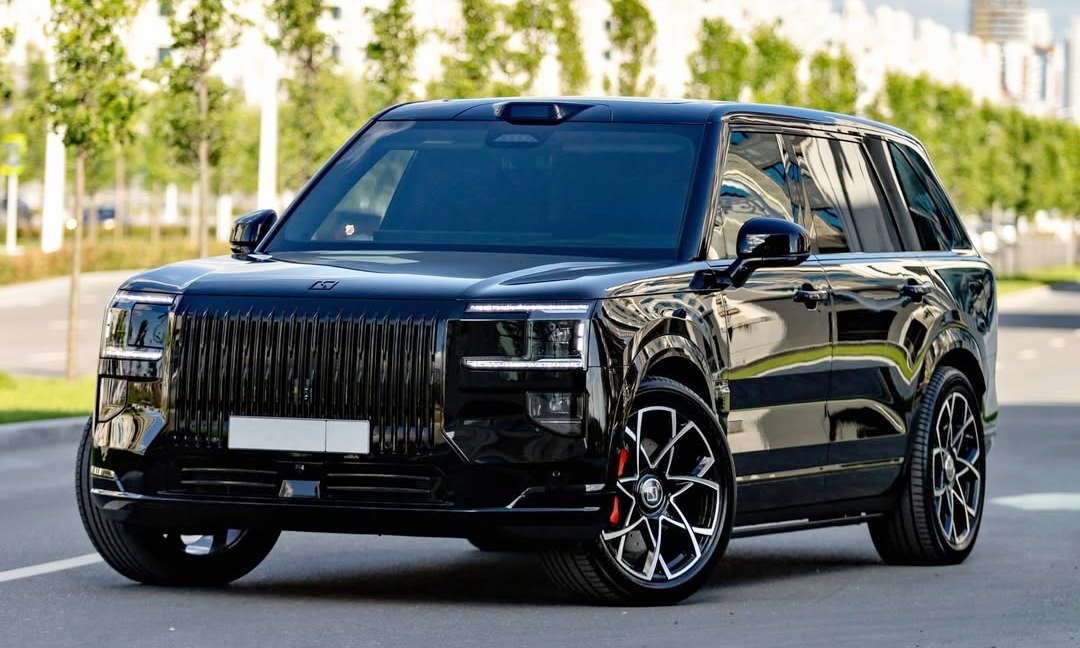
According to an announcement on 10/6, the German automaker signed a memorandum of understanding at the International Aerospace Exhibition (ILA 2026). Under the agreement, Mercedes will be responsible for producing mobile platforms for a mobile air defense system designed to intercept small unmanned aerial vehicles.
A Mercedes representative stated the project will focus on "mobile anti-UAV combat and defense platforms to protect people and critical infrastructure." The system is expected to be developed based on two familiar vehicle lines from the company: the G-class and Sprinter.
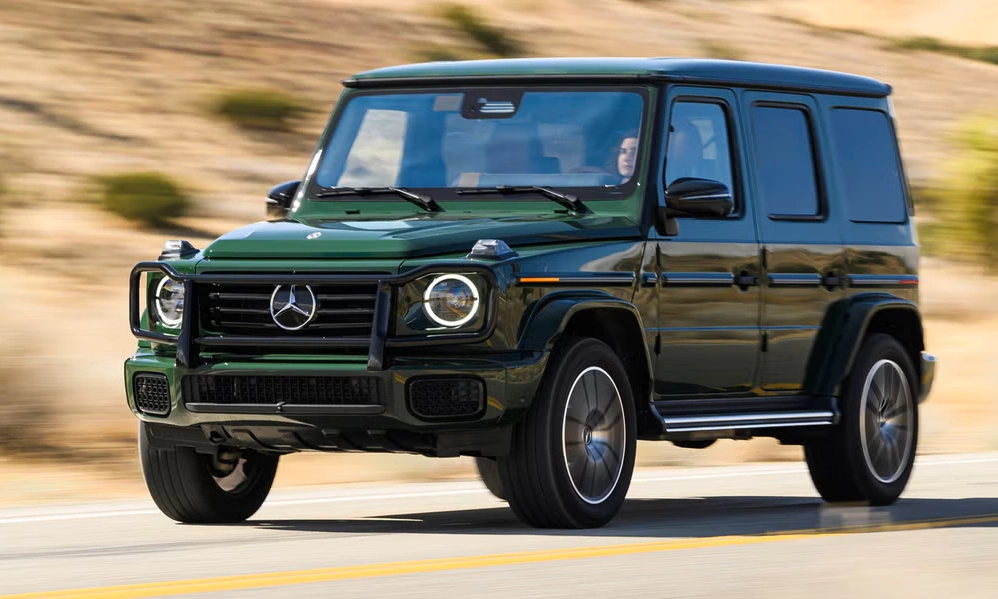 |
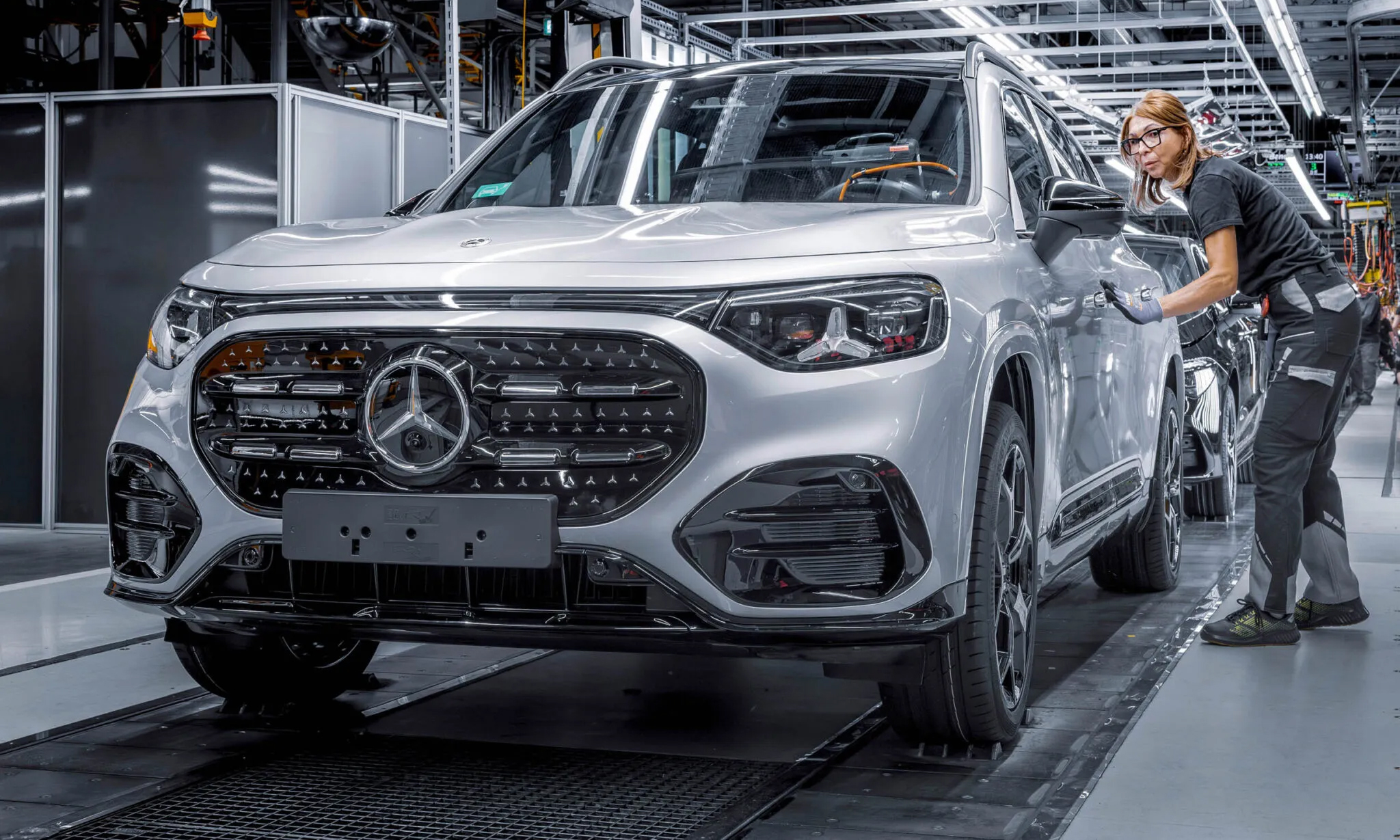
Mercedes' anti-UAV vehicle is expected to be based on the G-class and Sprinter models. Photo: Mercedes |
The partnership by the Stuttgart-based brand comes as the European automotive industry struggles, forcing manufacturers to seek opportunities in the military sector.
Before Mercedes, many major automakers on the continent made similar moves. In March, Renault announced it was developing a ground-based unmanned aerial vehicle for both military and civilian purposes. Previously in January, the company also partnered with defense group Turgis Gaillard to produce unmanned aerial vehicles in France.
The European automotive industry is currently facing a serious structural crisis. Declining electric vehicle purchasing power, market share lost to Chinese competitors, and rising borrowing costs have put automakers in a difficult position.
Conversely, the region's defense industry has boomed since the Russia - Ukraine conflict erupted in 2022, prompting Europe to become more self-reliant in military production capacity. This shift is considered feasible due to the automotive industry's workforce possessing highly transferable specialized skills, easily adaptable to manufacturing military equipment.
The German Ministry of Defense has even established a connecting platform to help "link long-standing defense corporations with startups and civilian sector businesses", a Ministry spokesperson told CNBC.
My Anh