**Child safety on vehicles to be tightened**
From 1/1/2026, Decree 168/2024 on sanctioning road traffic violations will impose stricter rules for commercial transport vehicles. If these vehicles, when carrying preschool children or elementary students, are not equipped with appropriate seat belts or age-suitable seats, individuals face fines of 3-4 million VND, while organizations will be fined 6-8 million VND. Additionally, drivers operating vehicles for child and student transport without proper seat belts or seats will face separate fines of 1-2 million VND.
Further strengthening child safety, Law 118/2025, which amends 10 laws related to security and order, introduces new regulations within the Road Traffic Order and Safety Law, effective from 1/7/2026. Children under 10 years old and shorter than 1,35 meters will not be permitted to sit in the same row as the driver (except in cars with one row of seats). They must also use appropriate child safety devices, such as seat belts or child seats. Drivers found violating these rules will be fined 800,000-1,000,000 VND. This specific regulation does not apply to passenger transport businesses. The implementation date was postponed by six months from the initial plan, allowing individuals and businesses more time to prepare.
These changes from 2026 demonstrate a clear direction towards enhancing safety for vulnerable passengers. Integrating child seats and related child transport regulations into the penalty framework represents a step closer to international standards, particularly as accidents involving young children in private automobiles and student transport vehicles continue to occur in Vietnam.
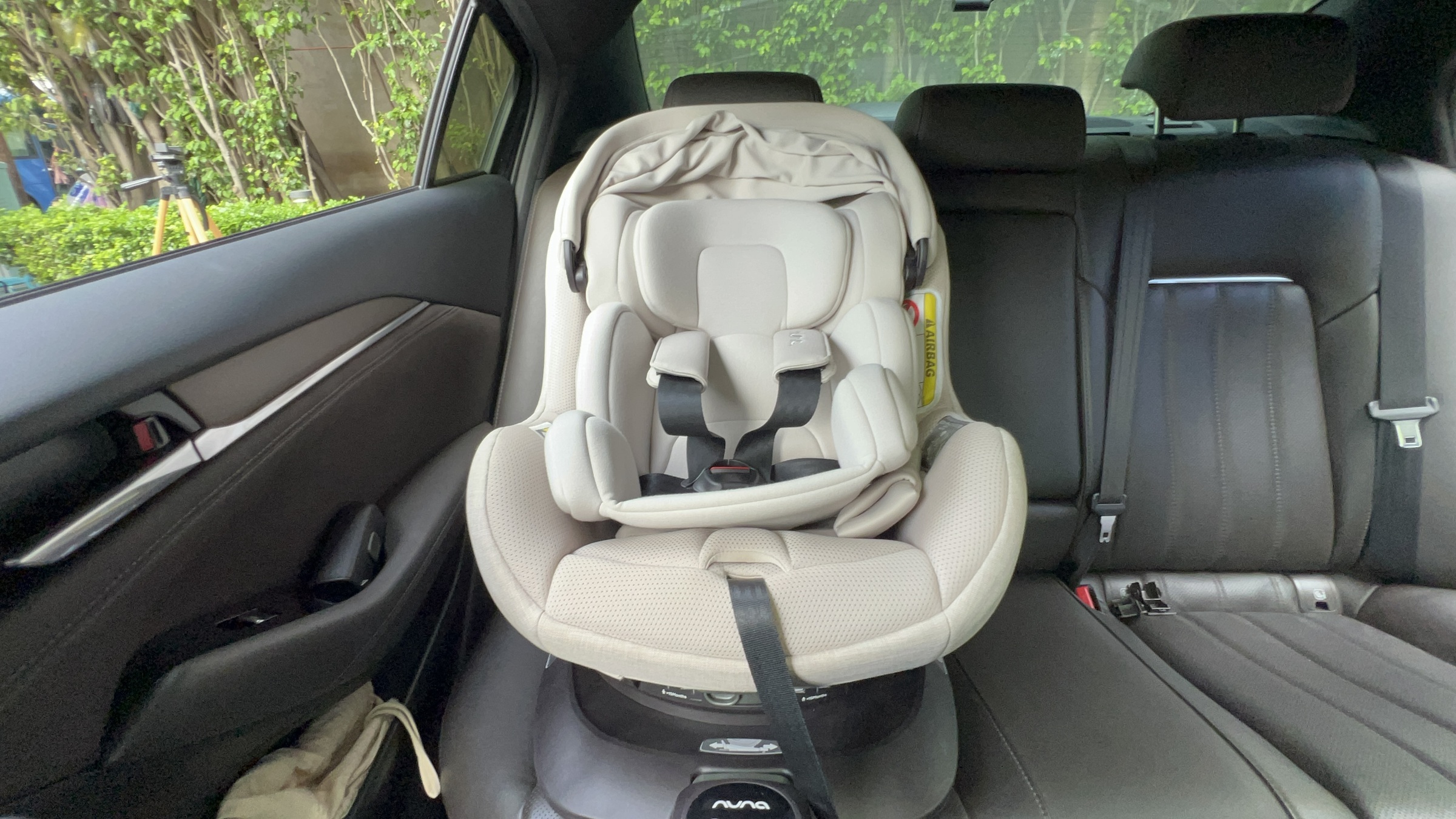 |
Child seat installed in the rear seat of a car. Photo: Ho Tan |
Child seat installed in the rear seat of a car. Photo: Ho Tan
Car owners should check if their vehicle has ISOFIX anchors to purchase compatible child seats. For families with multiple children, choosing narrow seats that allow three to be placed in the back row is advisable. Owners should avoid using makeshift items that do not meet safety standards, such as low-hanging seat belt hooks or thin seat belt clips.
**New rules for daily driving hours**
Effective from 1/7/2026, Law 118/2025 will abolish the previous maximum daily driving limit of 10 hours for commercial transport vehicle drivers. Instead, driver working hours will align with the Labor Code, setting a limit of no more than 8 hours per day or 48 hours per week. This means that while a driver might operate for up to 10 hours on one day, their driving time must be reduced on other days to ensure the weekly total does not exceed 48 hours. The law will maintain the existing rule that continuous driving must not exceed 4 hours, aiming to mitigate safety risks associated with fatigue.
**Simplified license upgrades for commercial drivers**
Law 118/2025 also expands the eligibility for upgrading driving licenses to CE class from 2026. A CE class driving license is issued to individuals who drive C-class vehicles pulling trailers with a total design mass exceeding 750 kg, or tractor trucks pulling semi-trailers. Specifically, from 1/7/2026, individuals holding D1, D2, and D class driving licenses will also be eligible for CE upgrade training, in addition to those with C class licenses. This change allows passenger car and bus drivers (who typically hold D class licenses) to shorten their training period when transitioning to operate tractor trucks and container trucks. This addresses the growing demand for long-haul freight transport and is an important step to reduce training time and ease recruitment pressure within the freight transport industry.
Ho Tan