The Trump administration announced its largest climate policy reversal to date on 12/2, according to Reuters. This move, executed through a process completed by the US Environmental Protection Agency (EPA), effectively nullified the scientific conclusion that "greenhouse gas emissions harm human health."
This scientific finding served as the foundation for greenhouse gas emission standards for vehicles, including the automatic start/stop feature in cars. EPA Director Lee Zeldin had previously criticized this technology publicly, vowing to act against what he called "something everyone hates."
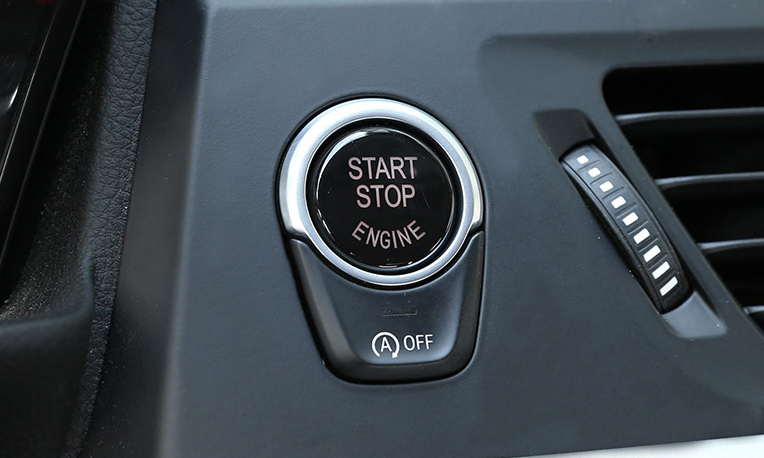 |
The start/stop button on a car model. Photo: SMP |
An automatic start/stop system shuts off the engine when a vehicle stops and restarts it when the driver releases the brake. The concept is straightforward: it saves fuel, reduces emissions, and improves the environment for those living near traffic lights as vehicles wait.
This system can improve fuel efficiency by about 5%, with studies indicating it could save up to 10% in urban settings. Although the EPA never mandated automakers to install automatic start/stop systems, the technology gained popularity because brands earned fuel economy credits. While it is unlikely to vanish immediately, automakers might simply choose to retain the feature but set its default to "off."
Critics, however, find the technology bothersome, stating they prefer the smooth hum of an idling engine. They also raise concerns about long-term wear and tear, though experts contend that modern starters and batteries are designed for more operational cycles. Supporters counter that it helps drivers save money and quietly reduces emissions with minimal effort.
The Trump administration's policy reversal will also eliminate stringent fuel efficiency requirements, such as the 50,4 miles per gallon (4,7 liters per 100 km) target for passenger cars and light trucks by 2031.
This change signals a renewed favor for internal combustion engine vehicles, a stance clearly articulated since Trump's initial days in office. In 2024, the US President stated he was "against anyone with an electric car." By 2025, he canceled electric vehicle targets and froze charging station funds before officially revoking incentives for battery-powered vehicles.
My Anh