In TUV's latest report, Tesla's best-selling model ranked last in reliability. This bottom position, with a fault rate of 17,3%, is also the highest recorded in the past ten years.
TUV is an independent German vehicle inspection body that conducts state-mandated safety checks on all vehicles. This latest evaluation encompassed more than 9,5 million vehicles inspected between 1/7/2024 and 30/6, with a total of one hundred ten models ranked, including eighteen electric vehicle models. TUV can be considered a combination of inspection stations and an extremely stringent version of the testing laboratory of Consumer Reports, a renowned US consumer magazine.
The overall analysis of the TUV 2026 report indicates that 21,5% of passenger cars, meaning more than one in five, failed the mandatory vehicle inspection due to serious or dangerous faults. Compared to the previous year, this figure increased by 0,9 percentage points. The rate of vehicles with minor faults also rose to 12,3%, 0,8 percentage points higher than in 2024.
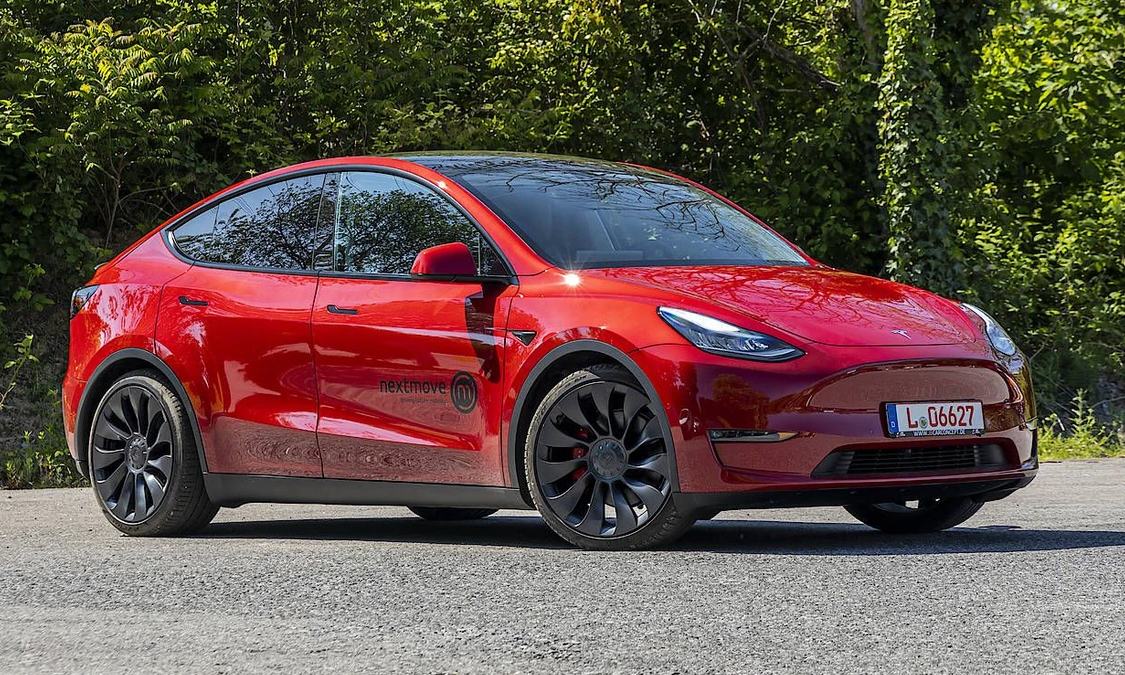 |
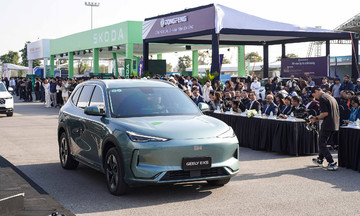
Tesla Model Y in Germany. Photo: Frankfurter Allgemeine Zeitung |
Statistics also show that the number of electric vehicles is increasing more than ever. Electric vehicle models exhibited widely varying results during the evaluation. In the ranking of two to three-year-old vehicles, the Mini Cooper SE, Audi Q4 e-tron, and Fiat 500e secured leading positions. The Volkswagen ID.3 and ID.4/ID.5 models also performed well, in contrast to the Skoda Enyaq and Dacia Spring.
The Tesla Model Y ranked last among one hundred ten vehicles with a fault rate of 17,3%, the highest in this age group. The Model Y's faults were primarily found in: axle suspension, brake discs, and lighting.
The Tesla Model 3, which had been at the bottom of the rankings for the past two years, this year placed just above the Tesla Model Y and Ford Mondeo (14,3%), also showing a disappointing fault rate of 13,1%.
The age of vehicles tested by TUV is when they are essentially still new. Across all brands, only about 6,5% of vehicles failed the first inspection. The Mazda2 was the model with the lowest rate, at just 2,9%.
TUV members only record serious faults, such as: brakes, suspension systems, lighting, and structural issues. If a vehicle fails, it not only receives a warning but must also be repaired before being allowed back into traffic. These faults are serious and can pose a life-threatening risk to users.
The TUV electric vehicle summary highlighted similar weaknesses in both the Model Y and Model 3: prematurely worn suspension components, worn brake discs, and misaligned or faulty lighting.
TUV noted that both models averaged more than 50.000 kilometers in just two to three years, indicating significant usage. However, many other crossover models also accumulate substantial mileage without achieving such high failure rates as these two US-made vehicles.
My Anh