According to data from the China Passenger Car Association (CPCA), Tesla China's total wholesale sales reached 97,171 vehicles in december 2025, encompassing both domestic sales and exports from China to overseas markets. While this figure is impressive and close to the maximum capacity of the Giga Shanghai factory, the full-year 2025 sales reveal a less optimistic picture.
In the first 11 months of 2025, Tesla sold approximately 531,855 vehicles in the Chinese domestic market. This is significantly lower than the 657,105 vehicles the company achieved in the full year 2024. To match the previous year's performance, Tesla would have needed a miraculous december, selling over 125,000 vehicles, a figure that exceeds the Giga Shanghai factory's capacity.
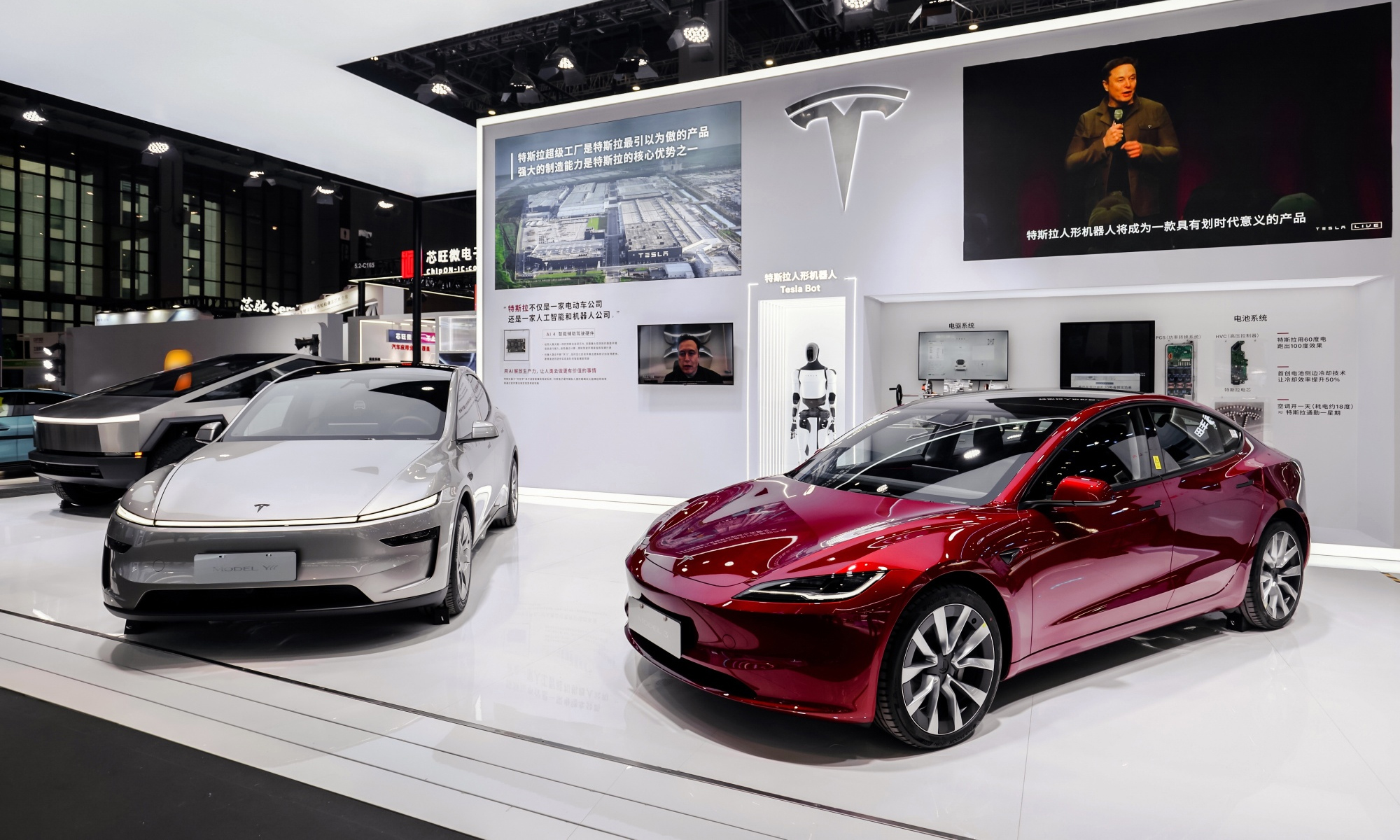 |
Tesla showcases products at the China International Industry Fair 2025, Shanghai. Products on display include the Optimus robot, Model Y L electric vehicle, Model 3, and Cybertruck. Photo: *S.E. Robinson* |
In a more realistic scenario, applying the same sales-to-export ratio as december 2024 (approximately 88% retail), Tesla could have sold around 86,000 units in the domestic market in december 2025. This would bring the total domestic sales for 2025 closer to 618,000, representing a decline of approximately 6% compared to 2024.
China's electric vehicle market is currently the fiercest globally, marked by the strong emergence of domestic brands.
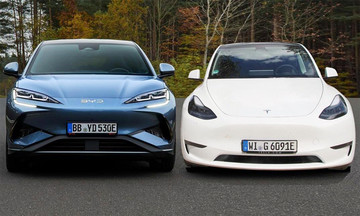
While Tesla relies on its Model 3 and Model Y, which are considered excellent vehicles but are increasingly outdated in design, Chinese competitors are consistently launching new models every few months.
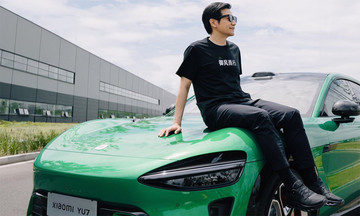
BYD offers competitive electric vehicle models at attractive prices across all segments. Meanwhile, startups like Nio and Xpeng are refining their products, and new tech giants like Xiaomi are entering the fray with attractive technology-laden vehicles, directly targeting Tesla's customer base.
These domestic car brands are not only lowering prices but also innovating faster, attracting a growing number of Chinese customers who increasingly value both value and features. In the eyes of many young consumers in China, the quality gap between domestic and imported cars is narrowing.
By Chi Nguyen (Source: Electrek)