A survey released on 28/11 by Deep Current, a logistics technology company, revealed that 57% of businesses reported delivery delays due to document errors. Despite a strong demand for digitalization, only a small fraction of companies have integrated technology into their core operational processes.
The survey results indicate that most freight forwarders, 3PLs, and mid-sized carriers in Europe and the Middle East consider technology adoption paramount. However, only 29% reported having implemented digitalization across most of their processes.
Tamim Fannoush, founder and chief executive officer (CEO) of Deep Current, noted that the industry's new trend prioritizes modular tools that connect with existing systems over replacing entire platforms. "The 'integrate, don't replace' mindset will shape 2026, as it reconciles ambition with practicality," he stated.
 |
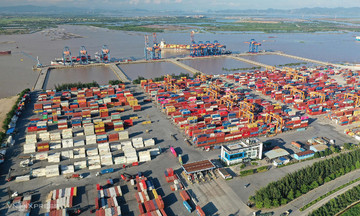
Many logistics businesses in Europe and the Middle East prioritize digital transformation of documents. Photo: pexels
Digitalization gap between external and internal operations
The survey indicates that businesses prioritize implementing technology in customer-facing operations. Currently, 55% utilize systems for tracking and displaying cargo routes, while 41% invest in tools for verifying and cross-referencing documents.
Conversely, internal operational processes are slower to change. Only 24% have fully digitized internal document processing, such as bills of lading or invoices. Notably, 61% still depend on email and spreadsheets for communication with international partners.
A logistics expert in Germany shared: "Many providers claim artificial intelligence (AI) can solve all problems, but they fail to understand the specific errors we encounter daily, such as missing file codes or incorrect recipient addresses."
Barriers to technology implementation
47% of business leaders identified integration with legacy systems, including enterprise resource planning (ERP) and transportation management systems (TMS) that have been operational for many years, as the biggest barrier due to high costs and risks associated with replacement. 39% expressed concern over unclear investment costs and returns. Additional reasons include staff resistance to change, a lack of technological expertise for implementation, and market solutions not tailored to specific logistics operations.
In fact, 57% of logistics leaders confirmed that document errors had caused shipment delays in the past year. Minor mistakes, such as missing seals, incorrect codes, or wrong invoice formats, can halt millions of USD worth of goods.
42% of leaders admitted losing revenue opportunities because manual processes prolonged customer onboarding times. Furthermore, 36% had faced penalties due to compliance errors, impacting their reputation with shippers and regulatory bodies.
An operations director in the Netherlands, with 40 years of experience, shared: "Errors have been repeating for decades. Without the right tools, my team still spends half a day processing paperwork instead of managing cargo."
Industry investment direction
Despite numerous obstacles, logistics businesses identify the next 12 to 18 months as a period for accelerated digitalization. 72% reported plans to invest in document automation tools, which represent the most error-prone and labor-intensive operational area.
Regarding advanced technology, 61% anticipate artificial intelligence to play a supportive role, particularly in data verification and extraction, while emphasizing that human expertise remains the decisive factor.
The industry also leans towards flexible solutions. 49% expressed a preference for using modular tools that integrate into existing systems, rather than large platforms requiring comprehensive changes.
Fannoush concluded: "The future of logistics digitalization does not lie in betting on a single platform or expecting artificial intelligence to solve every problem. It involves selecting tools designed primarily for logistics, complementing human capabilities, and integrating seamlessly with existing systems."
Ngoc Minh (according to Cyprus Shipping News)