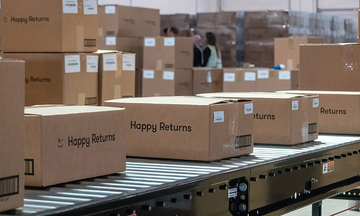
AI-powered shopping tools fueled a surge in online spending by Americans this Black Friday. This occurred as many consumers opted to avoid crowded stores, instead using chatbots for price comparison and deal hunting. Simultaneously, unemployment nearing a 4-year high and consumer confidence hitting a 7-month low prompted Americans to scrutinize every expense.
Adobe Analytics, which tracks retail website visits, reported that US consumers spent a record 11,8 billion USD online this Black Friday, marking a more than 9% increase compared to 2024. Mastercard SpendingPulse also noted a strong rise in online shopping demand, with e-commerce sales growing by 10,4%, while in-store shopping channels only saw a 1,7% increase.
According to Adobe, visits to US retail sites via AI tools increased by 805% year-over-year. This surge occurred as virtual shopping assistants like Walmart's Sparky and Amazon's Rufus became widely adopted. Suzy Davidkhanian, an analyst at eMarketer, commented, "Consumers are using new tools to find what they need. Large language models make the search process faster and more directed."
Best-selling items this Black Friday included Lego toys, Pokemon cards, Nintendo Switch, PlayStation 5 gaming consoles, along with products like AirPods and KitchenAid stand mixers.
Salesforce reported that AI and artificial intelligence agents boosted global online sales on Black Friday to 14,2 billion USD, with the US market contributing about 3 billion USD. The data firm estimated Americans spent 18 billion USD on online shopping in recent days, a 3% increase year-over-year. Fashion and luxury accessories were among the most purchased items. Despite the increase in total US spending, Salesforce noted that high prices still restrained the quantity of goods per order, observing that "consumers purchased fewer products than the previous year."
Caila Schwartz, Director of Consumer Analysis at Salesforce, identified two factors driving up average selling prices in the US. The first is the clear impact of tariffs on non-essential goods. Additionally, high-income consumers are spending more robustly than middle-income groups, reflected in increased sales within the luxury segment.
Adobe forecasted this year's Cyber Monday online sales to reach 14,2 billion USD, a 6,3% increase compared to the same period in 2024. This could make Cyber Monday the biggest online shopping day of the year. Electronics could see the deepest discounts, up to 30%. Traditional in-store sales channels are expected to remain subdued.
Tu Anh (according to Reuters)