A recent survey by consulting and auditing firm Deloitte indicates that consumers are inclined to spend less this year during the year-end holiday season. Survey participants expect to spend 4% less than last year between Black Friday and Cyber Monday, citing high living costs and increased economic concerns.
This finding contrasts with previous years. For example, a 2021 Deloitte survey showed shoppers consistently planned to spend more than the previous year during the weekend after Thanksgiving.
This year, spending cuts are observed across various income groups. Individuals earning under 50,000 USD annually plan to reduce spending by 12% compared to last year. The group earning over 200,000 USD each year may cut Black Friday shopping by about 18%.
Nevertheless, in a statement, Natalie Martini, Deloitte's Vice President for U.S. Retail and Consumer Products, anticipates that "consumers will still actively participate in the shopping week." Black Friday, the largest shopping event in the U.S., occurs on the Friday immediately after Thanksgiving. During this occasion, products often see discounts of 20-30%, and sometimes even 70-80%.
In recent years, Black Friday has been less dynamic as people shifted to online shopping. This trend gained further popularity after the pandemic. Promotion periods also extended, lasting for a week instead of just one Friday.
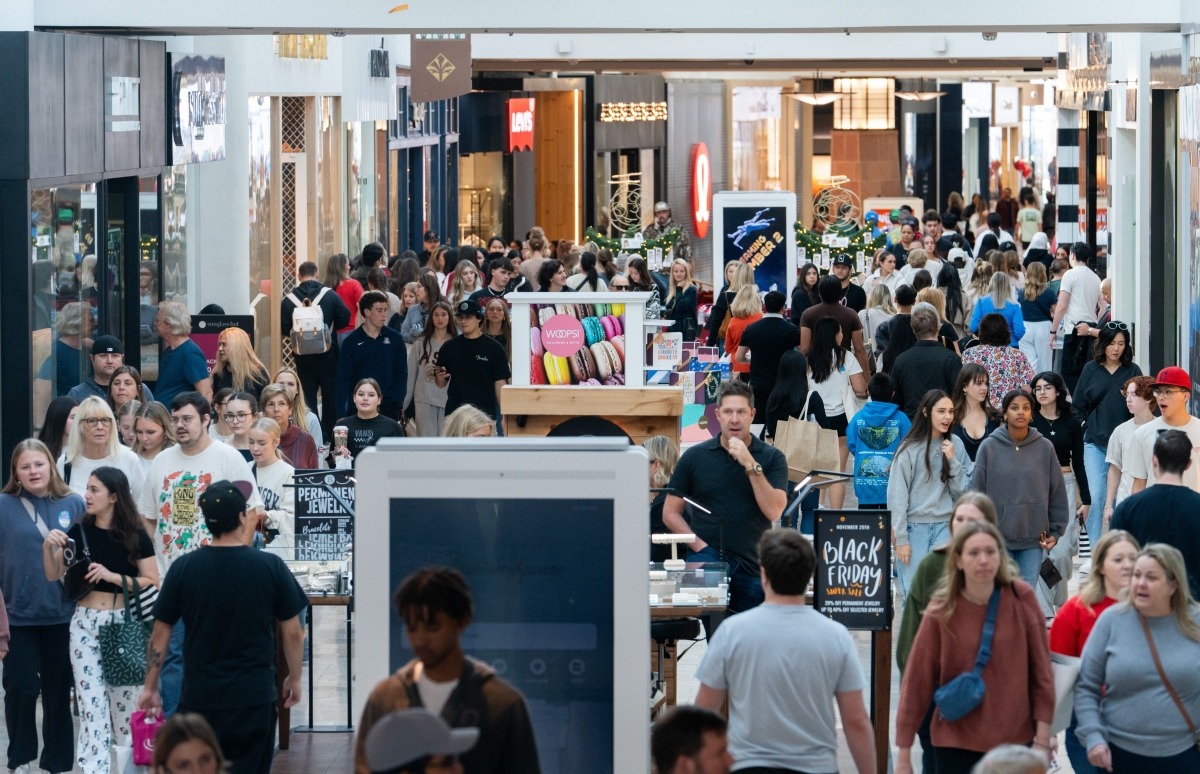 |
Scottsdale Fashion Square mall in Scottsdale, U.S., on Black Friday in 2024. Photo: Reuters |
This year's Black Friday also coincides with a sensitive period, as Americans grow increasingly pessimistic about the economy and their personal finances. The consumer confidence index released by the University of Michigan on 21/11 recorded one of its lowest historical levels, only slightly above the June 2022 trough when inflation surged. 69% of those surveyed anticipate rising unemployment next year.
"After the government reopened, consumer sentiment improved slightly compared to mid-month. However, they remain disappointed by prolonged high prices and weakening incomes," said Joanne Hsu, Director of Consumer Surveys at the University of Michigan.
U.S. inflation initially decreased earlier in the year but rebounded from April, reaching 3% in September. This has put pressure on Americans' wallets. Survey participants forecast inflation to hit 4,5% next year.
U.S. voters currently view affordability as a primary concern in the November local elections, contributing to Democratic victories in Virginia, New Jersey, and New York. President Donald Trump recently sought to lower food prices by exempting various import taxes.
Financial reports from retailers also reveal concerning trends. Walmart recorded strong business results as Americans economize on essentials like food and daily necessities. Even high-income families are shopping more at Walmart for deals. Discount fashion brands such as Gap and TJX Cos also reported positive outcomes, indicating consumers are shifting to more affordable options.
By Ha Thu (based on NBC News, Reuters)