On 2/8, Reuters reported that Capital One Financial Corporation dismissed a lawsuit from the Trump Organization concerning the closure of 300 business accounts five years ago.
This marks the first instance a bank has officially linked money laundering concerns to the U.S. President's family business.
Capital One closed the 300 Trump Organization bank accounts in March 2021. In 2025, the Trump Organization and Eric Trump, the President's son, filed a lawsuit in federal court in Florida. They alleged Capital One's decision to close the accounts was politically motivated, aiming to benefit from public sentiment following the Capitol riot on 6/1/2021.
According to court filings, Capital One stated that its action to close the 300 Trump family business accounts was not driven by political or religious motives. The corporation asserted the closures resulted from "months of careful analysis and review by its anti-money laundering expert team."
The filings also described the Trump Organization's allegations as "misleading" and "based on intentionally filtered quotes, not supported by the full context" of documents submitted to the court. "The transactions Capital One reviewed fell into categories of activity flagged by federal banking guidelines," the filing stated.
The Trump Organization and Capital One have not yet responded to this information.
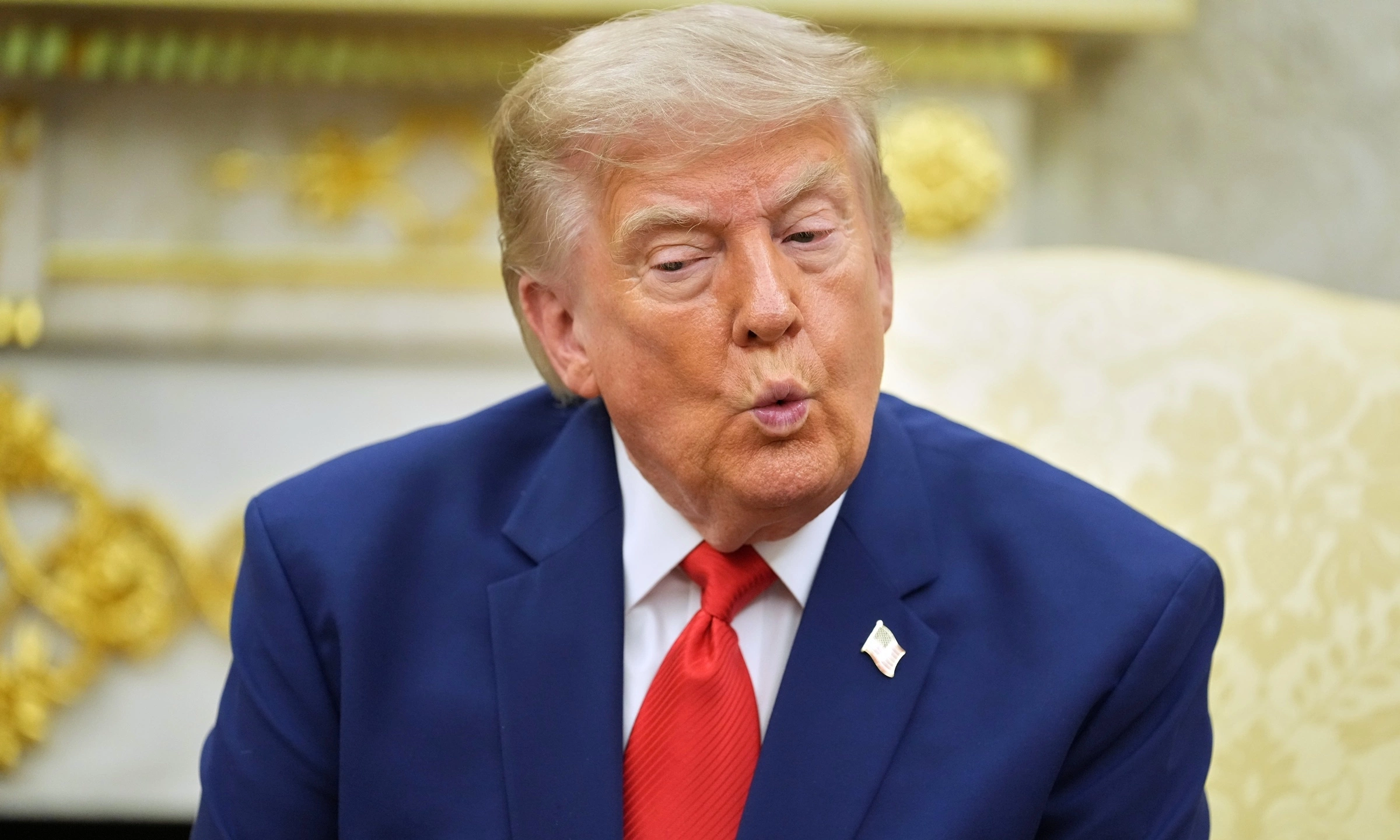 |
U.S. President Donald Trump in the Oval Office, White House, 21/7. Photo: AP |
Last year, the President issued an executive order requiring the banking industry to ensure "no one is denied financial services based on political or religious beliefs." This order mandates regulators to review past conduct of all banks, applying penalties or other disciplinary measures if necessary.
Since the start of his second term, Trump has pressured several major banks. Before issuing the executive order prohibiting banks from discriminating based on political or religious beliefs last year, Trump told CNBC he had personally experienced "discrimination" from banks. The President specifically named JPMorgan Chase and Bank of America as refusing his deposits after his first term, but offered no concrete evidence.
Bao Bao (according to Reuters)