China's National Bureau of Statistics reported that the producer price index (PPI) rose by 0,5% in march compared to march 2025, ending the longest period of manufacturing deflation in decades. This figure surpassed Reuters' forecast of a 0,4% increase.
Significant price increases were observed in energy-intensive sectors, with non-ferrous metal mining surging by 36,4% and non-ferrous metal smelting and processing rising by 22,4%. Despite these gains, the overall producer price index for Quarter I still saw a 0,6% decline compared to the same period in 2025.
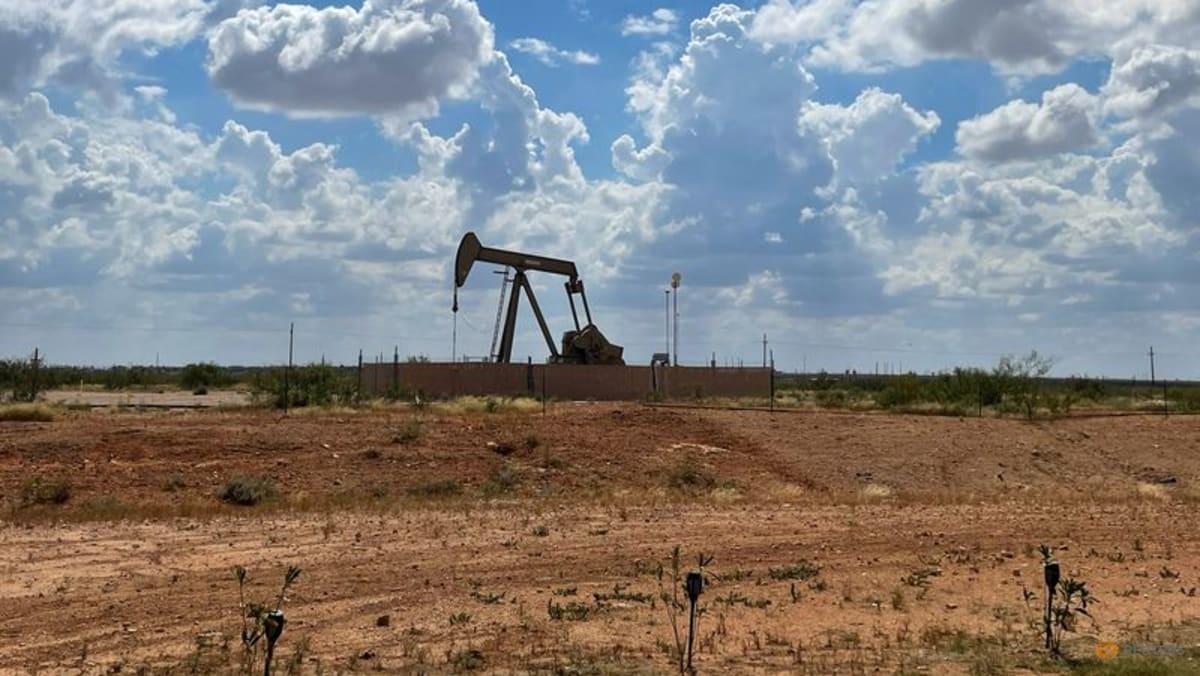
The surge in China's PPI last month was primarily driven by the Middle East conflict, which pushed oil prices higher and escalated fuel and raw material costs for manufacturers. On 10/4, Brent crude for june delivery was trading at 96,7 USD per barrel, marking a 33% increase since the start of hostilities. West Texas Intermediate (WTI) crude for may delivery reached 98,5 USD per barrel, up 47%.
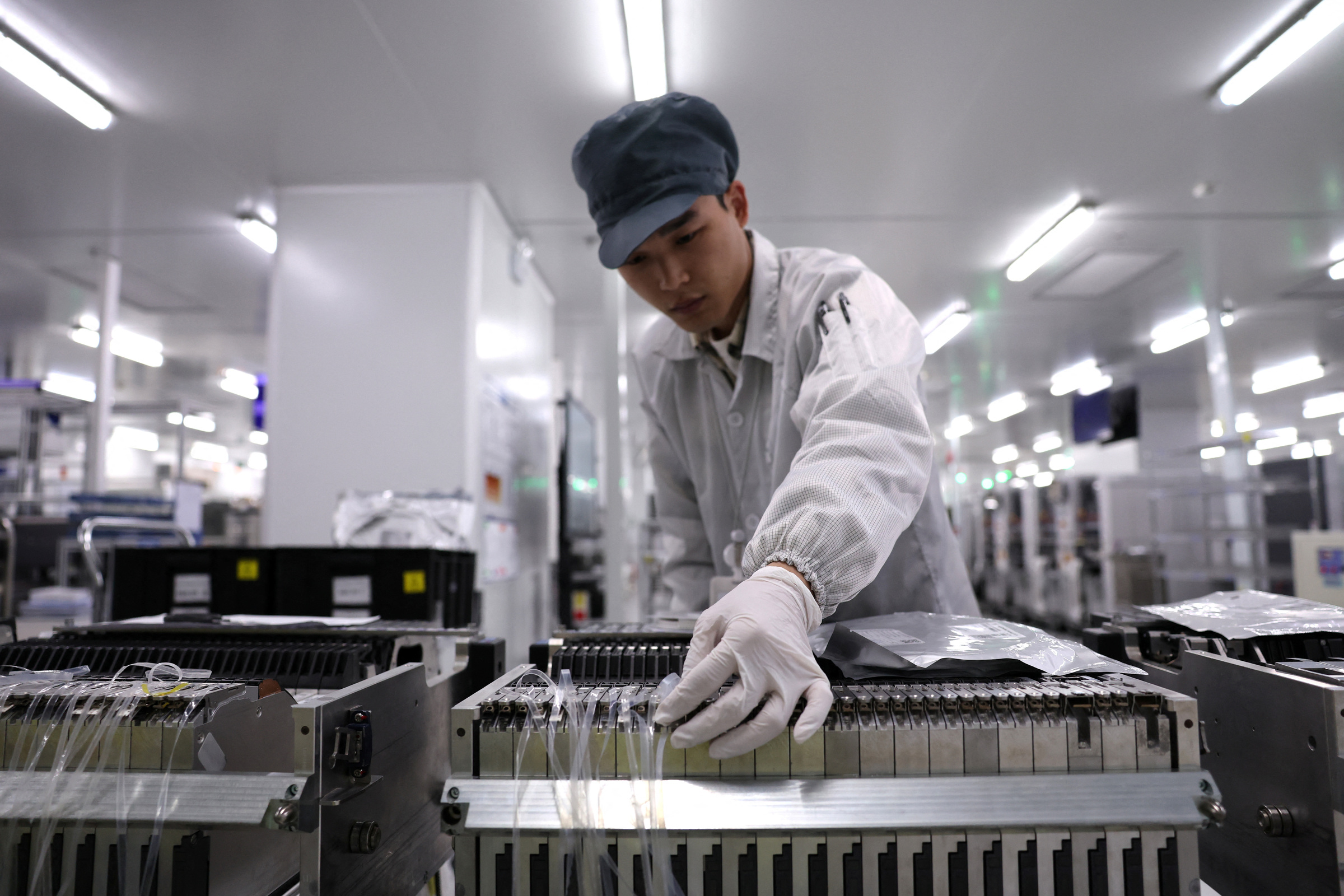 |
Workers on an electronics production line in Shenzhen on 19/3. *Photo: Reuters* |
Since late february, China has allowed domestic fuel prices to rise, albeit with a cap, to mitigate the impact of escalating oil costs. Zhiwei Zhang, chief economist at Pinpoint Asset Management, noted the persistent instability in the Middle East. "The inflation outlook for many countries, including China, remains similarly uncertain," he stated.
As the world's largest oil importer, China has managed to reduce the economic impact of the Gulf region conflict due to its substantial reserves and diversified energy supply, according to Robin Xing, chief China economist at Morgan Stanley.
Robin Xing observed that "China has responded more effectively than other nations to the oil shock, owing to its flexible energy source diversification and policy headroom provided by low inflation." He forecasts the country's PPI will rise by 1,2% this year.
In march, China's consumer price index (CPI) increased by 1%, falling short of the 1,2% forecast by economists surveyed by Reuters and decelerating from february's 1,3% rise. Core CPI, which excludes volatile items like food and energy, saw an 1,1% increase in march.
Xu Tianchen, a senior economist at Economist Intelligence Unit, highlighted that among Asian economies that have reported march inflation data to date, China is the only nation to record a month-on-month decrease in its CPI.
Given the low inflation, which is primarily cost-push driven rather than demand-driven, Marco Sun, Head of Financial Market Analysis at MUFG (China), anticipates that Beijing will not implement changes to its economic management policies.
Following the release of the inflation data, the yuan-US dollar exchange rate remained stable, and mainland stock markets recorded gains.
Morgan Stanley recently reduced its China growth forecast for this year by 10 basis points to 4,7%, under the assumption that average oil prices will reach 110 USD per barrel in Quarter II before moderating. However, if the Middle East conflict escalates, driving oil prices above 150 USD per barrel this quarter, China's real GDP growth could decelerate to 4,2%.
"Even if the Strait of Hormuz reopens," Xing stated, "a slow normalization of supply and the need for restocking could keep oil prices elevated."
By Phien An (based on reports from CNBC, Reuters)