On the afternoon of 9/1, the Da Nang City People's Committee (PC) inaugurated the Vietnam International Financial Center in Software Park No. 2, spanning approximately 300 hectares.
Following the completion of its over 4,000 square meter operational headquarters last year, the city plans to bring a 20-story building and smart infrastructure into operation in Q2 this year. This facility will serve as the base for investment funds, technology companies, and a controlled environment for testing new financial models.
The operation of Da Nang's International Financial Center is expected to attract financial institutions, investment funds, and both domestic and foreign businesses, creating new growth momentum for the city.
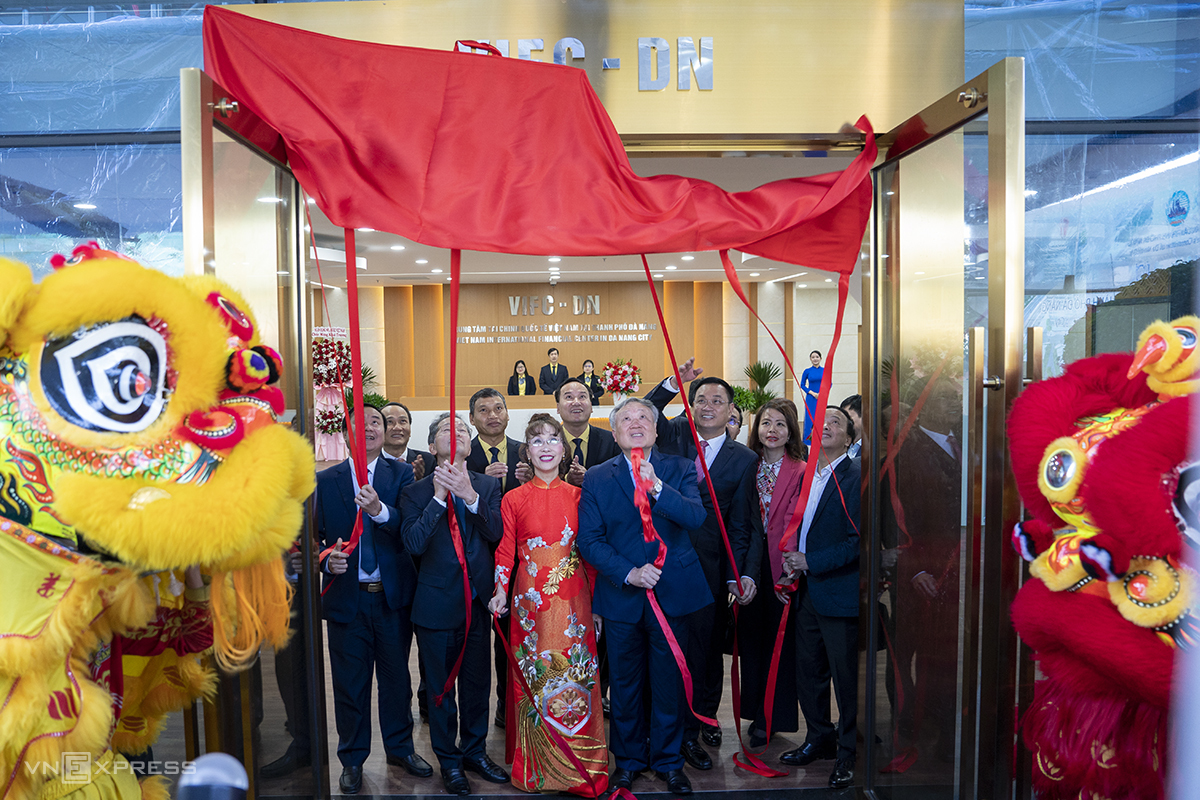 |
Standing Deputy Prime Minister Nguyen Hoa Binh, Chairman of the International Financial Center Steering Council in Vietnam, along with other dignitaries, cut the ribbon to launch the operational headquarters of the Vietnam International Financial Center in Da Nang City. Photo: Nguyen Dong
Standing Deputy Prime Minister Nguyen Hoa Binh, Chairman of the International Financial Center Steering Council in Vietnam, emphasized that establishing a financial center is an unprecedented task, requiring competition with major regional financial hubs. Therefore, local authorities need to significantly shift their management mindset from a "permit-grant" approach to one that is "collaborative and innovative." They must also review and update legal frameworks to create competitive advantages and attract capital and leading financial institutions.
According to Nguyen Hoa Binh, investors are partners and a primary source of policy knowledge in shaping the "rules of the game" and developing new financial products.
Ho Ky Minh, Vice Chairman of Da Nang City PC, stated that the city is committed to operating the center according to international standards, ensuring transparency, system security, and compliance with Vietnamese law. Da Nang will implement flexible specific mechanisms, build a lean and professional apparatus, and prioritize investors and financial organizations in its service.
According to Ho Ky Minh, the center will promote administrative reforms through a "one-stop mechanism," reducing processing time for applications. It will also focus on developing high-quality human resources in finance, technology, and legal fields, and expand cooperation with domestic and foreign financial institutions.
In this regard, Deputy Prime Minister Nguyen Hoa Binh urged Da Nang to coordinate closely with Ho Chi Minh City to finalize common operating regulations, ensuring the two centers complement each other. Both localities need to prioritize the development of "soft infrastructure," particularly human resources, data, and connectivity systems, to effectively engage with the global financial community.
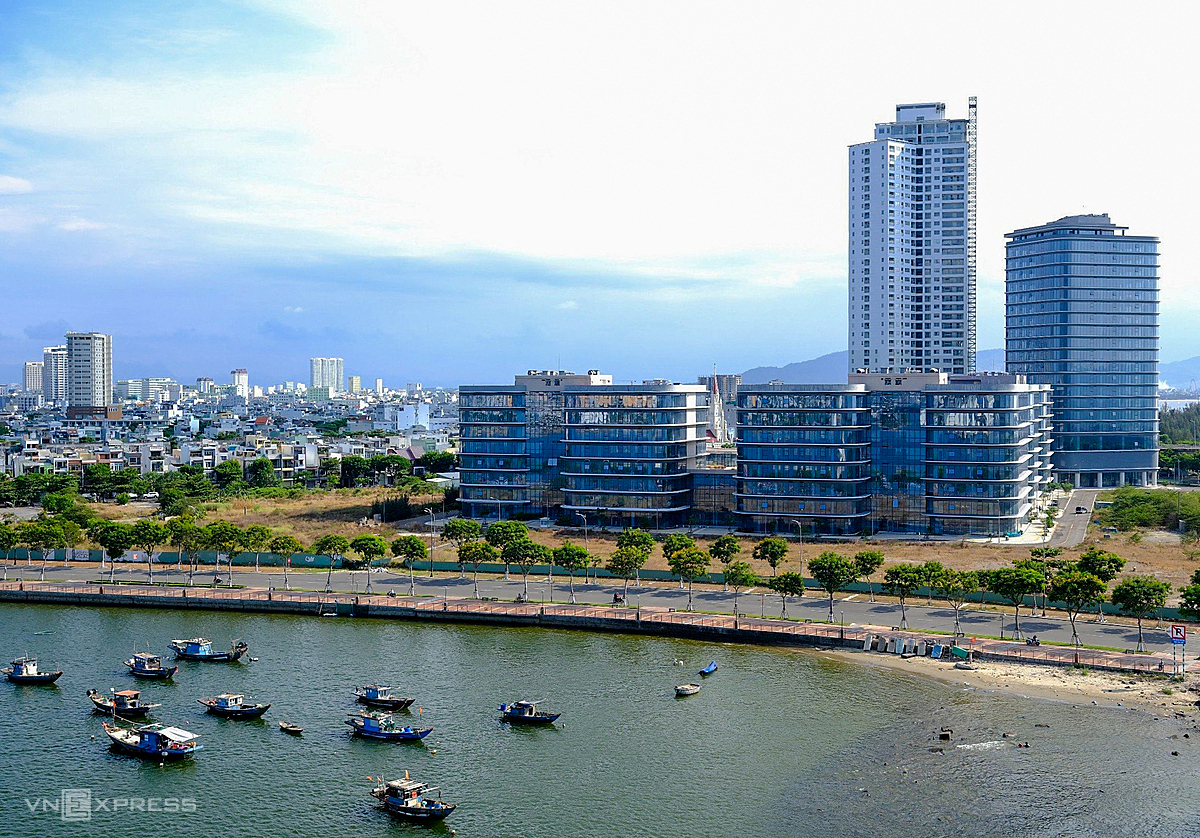 |
Software Park No. 2, where the Da Nang City International Financial Center is headquartered. Photo: Nguyen Dong
Vietnam is establishing an International Financial Center under a "one center, two destinations" model, located in Ho Chi Minh City and Da Nang. The center in Ho Chi Minh City will serve as a large-scale financial hub, focusing on securities, bonds, banking, fund management, and listing services, with a planned area of approximately 899 hectares. The city expects to build this area in Thu Thiem, with operations commencing in 2027.
Da Nang, meanwhile, will develop financial services linked to logistics, maritime, free trade, and supply chains, covering 300 hectares.
Operating regulations, standards, procedures, and licensing criteria will be uniformly applied at both locations. Within five years, the International Financial Center Steering Council will conduct a preliminary review, evaluation, report to the government, and propose adjustments if necessary. Ho Chi Minh City and Da Nang are responsible for updating their master plans and ensuring land availability for the center's operations.
According to the Ministry of Finance, the establishment of the International Financial Center in Vietnam represents an institutional breakthrough and a policy decision aimed at unleashing resources, transforming the growth model in conjunction with economic restructuring. This initiative seeks to enhance national productivity, efficiency, and competitiveness.
Nguyen Dong