Permanent Deputy Prime Minister Pham Gia Tuc emphasized the importance of consumer rights, supply, and quality during Vietnam's nationwide transition to E10 biofuel. At a meeting on 2/6, he outlined the roadmap for E10 blending and distribution, highlighting its benefits: providing reasonably priced fuel, reducing emissions, enhancing energy security, and fostering domestic agricultural growth.
However, the government leader noted that public information and communication regarding E10 have been insufficient. Specific details about vehicle compatibility with the new fuel remain unclear, causing public apprehension. Additionally, information on the responsibilities of regulatory agencies, vehicle manufacturers, and fuel businesses in addressing potential technical issues has not been fully disseminated.
To address these gaps, he directed the Ministry of Industry and Trade (MOIT) and other relevant ministries to intensify policy communication, ensuring that citizens and businesses receive complete and consistent information. He also urged functional agencies to enhance support by establishing hotlines and automated response systems for public inquiries.
"Consumer rights are paramount," the Deputy Prime Minister stressed, adding, "All policies must aim to protect consumer rights."
The Deputy Prime Minister also tasked the MOIT, along with the Ministry of Construction, Ministry of Science and Technology, various associations, and vehicle manufacturers, with developing specific guidance lists for vehicles compatible with E10. This includes clearly identifying special cases where E10 may not be suitable or requires specific considerations, and publicly announcing appropriate fuel types for these vehicles.
The MOIT will continue to closely monitor market developments, ensuring fuel supply, quality, and distribution system operations. The agency must also publicly disclose information related to standards, quality, vehicle compatibility, and consumer protection measures.
Fuel wholesalers, producers, and biofuel businesses are responsible for maintaining stable production and imports to ensure adequate fuel supply. The MOIT will increase inspections of import and blending processes to ensure compliance with regulations.
"Standards must be consistent across all areas, whether in cities, rural areas, highlands, or remote regions," the Deputy Prime Minister stated, emphasizing that blending processes must not compromise the quality of biofuel products or harm consumers.
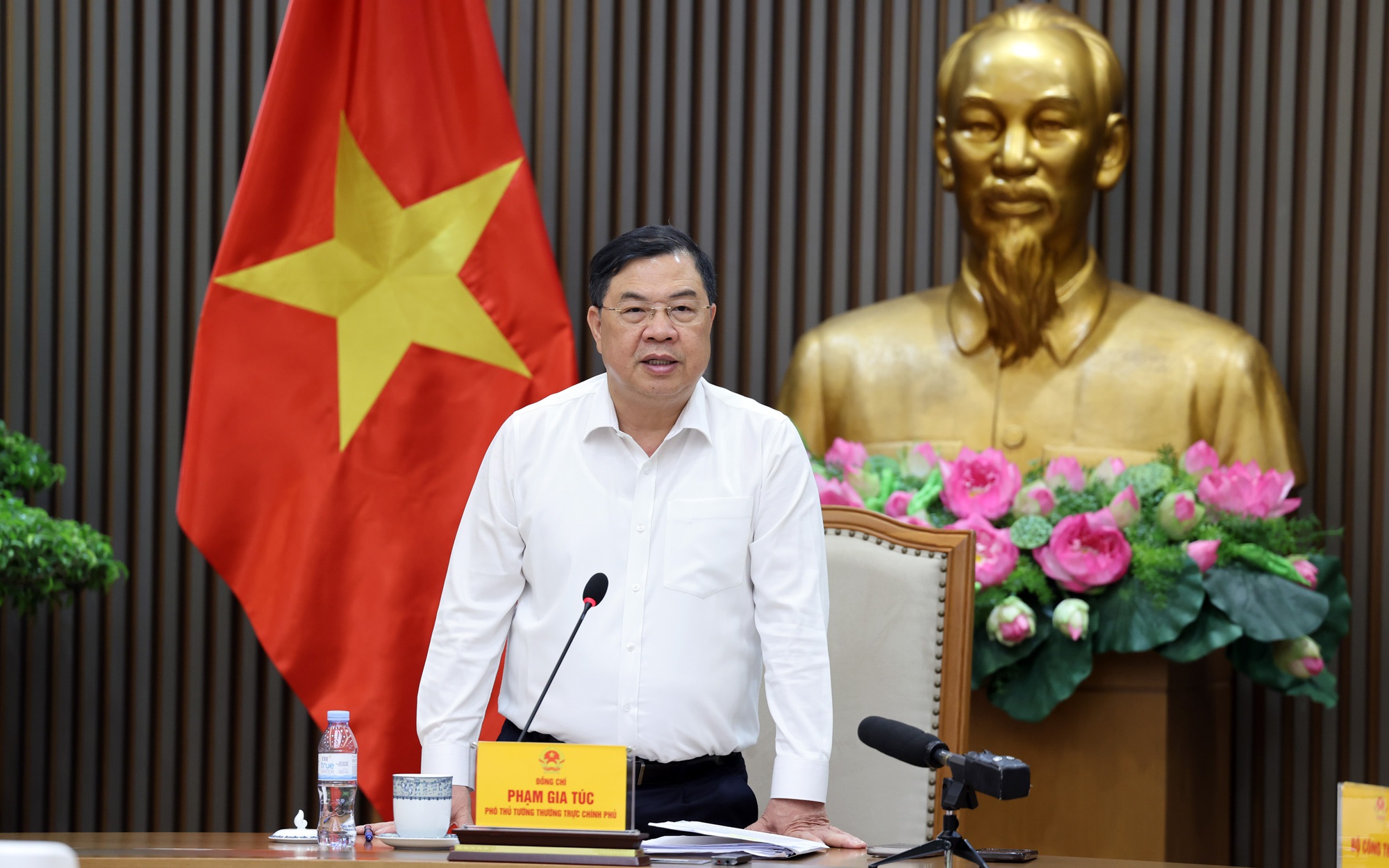 |
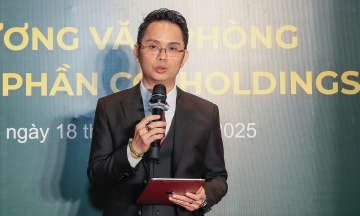
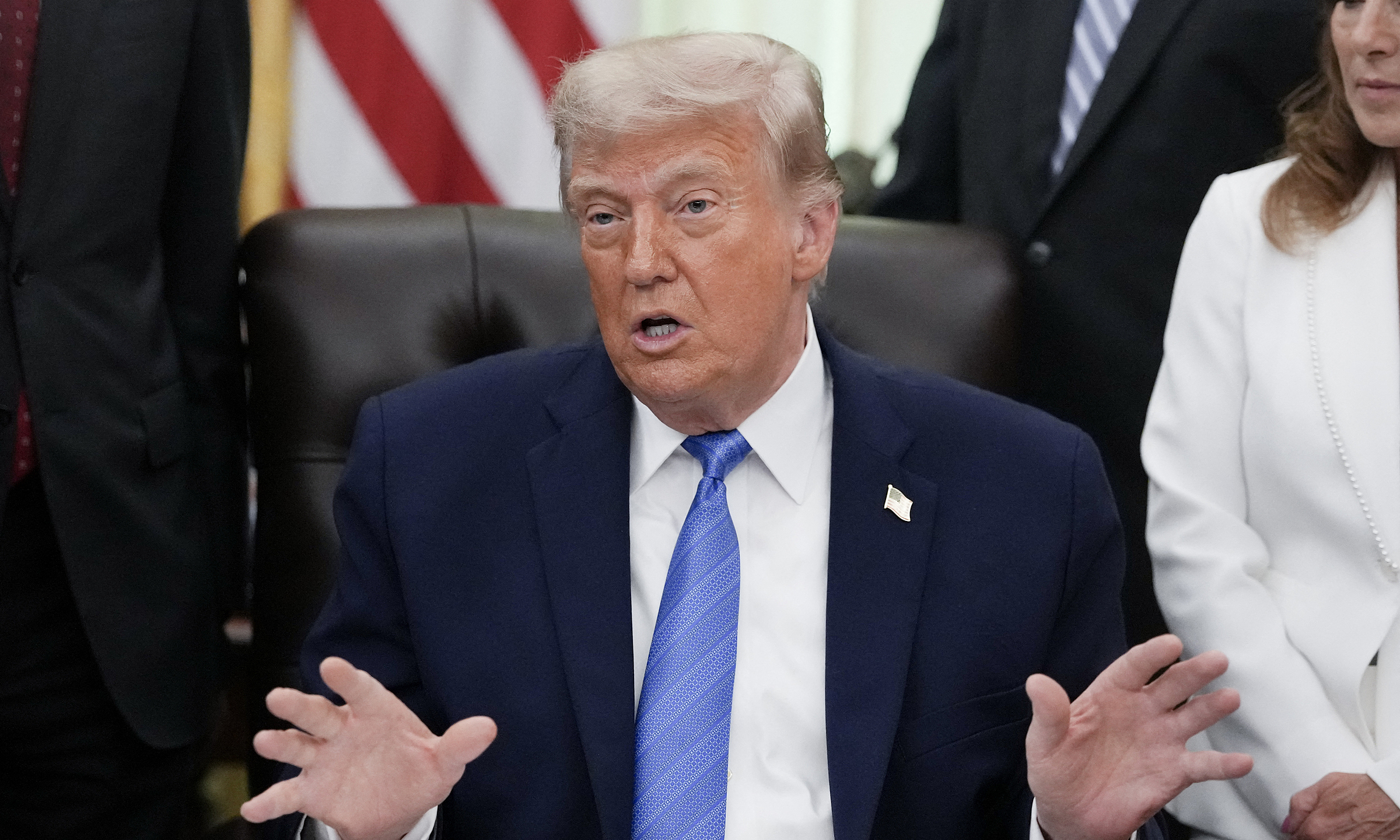
Permanent Deputy Prime Minister Pham Gia Tuc speaks at the E10 biofuel meeting on 2/6. Photo: *VGP* |
Deputy Minister of Industry and Trade Nguyen Sinh Nhat Tan reported that the distribution system has completed its conversion, with the entire market now supplied by E5 and E10 gasoline that meets all quality standards.
Following the first day of widespread E10 distribution, consumption across the system reached approximately 29,000 m3 per day. This figure is slightly lower than the average daily consumption of mineral gasoline previously, which was around 32,000 m3, as some stores were still selling off their remaining stock of mineral gasoline.
E10 prices are fully listed at all outlets. Since its trial distribution in 8/2025, E10 gasoline has consistently been priced lower than comparable mineral gasoline.
From the perspective of fuel suppliers, a leader from Vietnam National Petroleum Group (Petrolimex) stated that the company now sells E10 at over 1,800 stores and through more than 1,400 franchisees. Petrolimex's E10 blending system has a capacity of approximately 7,7 million m3 per year, sufficient to meet its own system's demand and capable of supporting other businesses.
A representative from PetroVietnam Oil Corporation (PVOIL) also confirmed that PVOIL's blending system possesses sufficient capacity to support other wholesalers in their E10 rollout.
Both companies urged regulatory bodies to finalize technical standards for E10 and base gasoline promptly. This would ensure stability, allowing businesses to proactively plan imports, blending, and supply from 2027 onwards. They also called for a review and simplification of procedures to avoid redundancies in quality management processes.
Furthermore, Petrolimex and PVOIL requested continued state investment in logistics infrastructure, particularly for ethanol receiving ports, and mechanisms to support the development of domestic ethanol production.
By Phuong Dung