At a workshop on 18/6 organized by SSI Securities, Daniel Clark, head of Asia-Pacific and Middle East trust and securities services, and global head of depositary receipts (DR) at Deutsche Bank, noted extensive discussions on capital market development. While largely beneficial, these discussions often focus on the advisory community, including lawyers, investment banks, auditors, consultants, and specialists supporting transaction execution.
These entities are crucial, as technical factors play a key role. However, from Deutsche Bank's perspective, the focus of attracting capital also lies with the businesses themselves.
"Vietnamese businesses must determine whether accessing international capital markets aligns with their development strategy," he stated.
Businesses also need to prepare in terms of governance, financial reporting, investor relations, information disclosure, and building a long-term growth narrative to persuade the market. Additionally, companies should consider how an overseas listing, issuing depositary receipts abroad, or future opportunities associated with the International Financial Center (IFC) could support their development strategy.
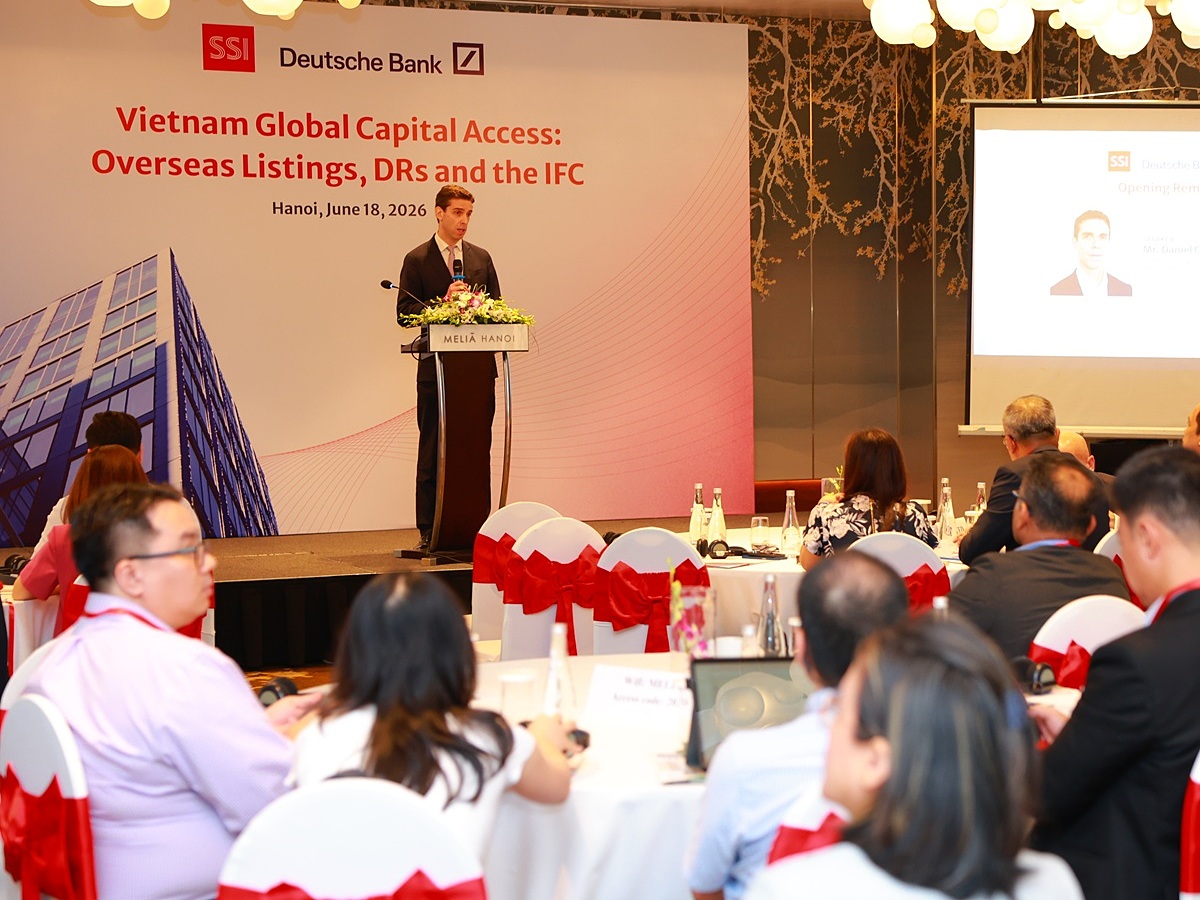 |
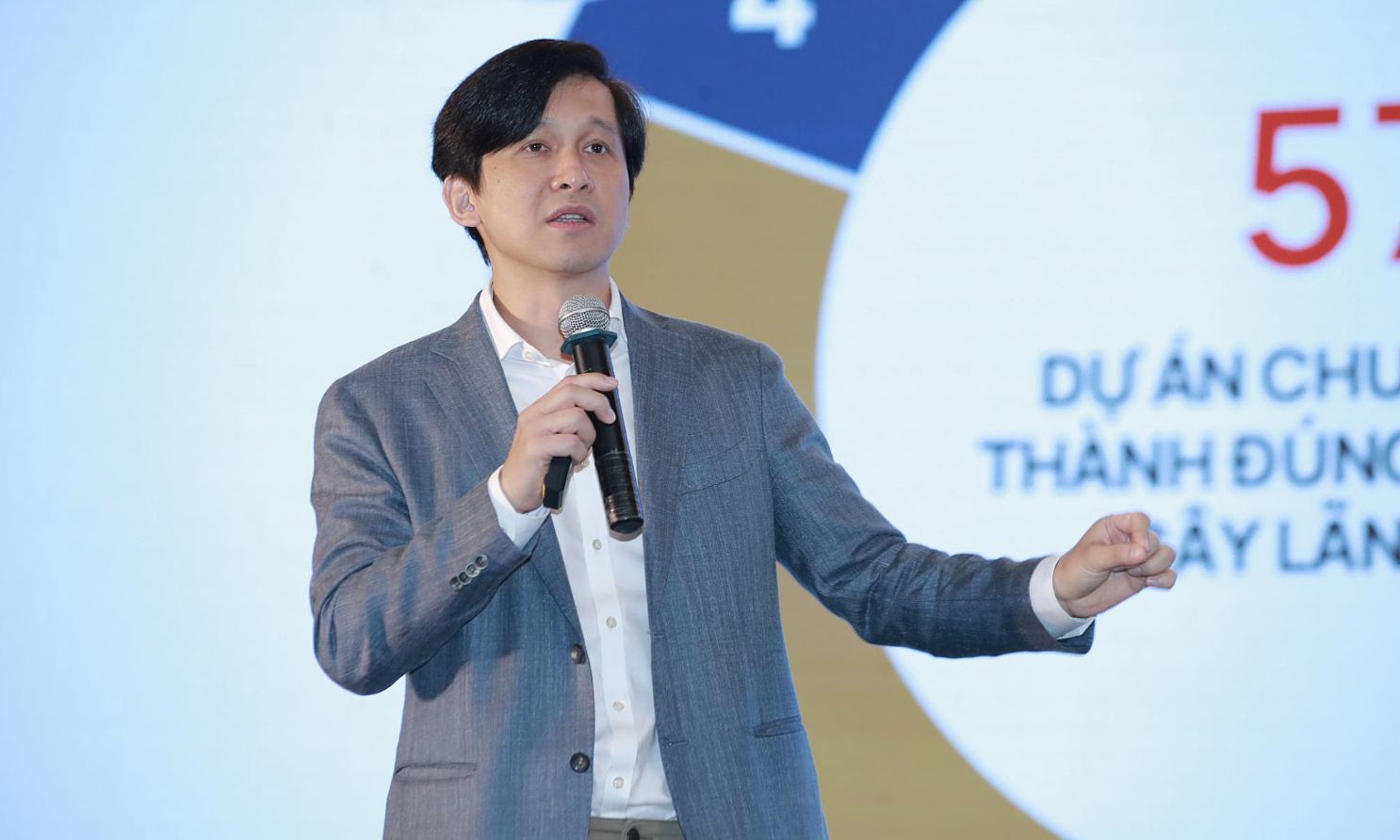
Daniel Clark, a representative of Deutsche Bank, speaks at the workshop. Photo: SSI |
Deutsche Bank is Germany's largest private and investment banking group. It possesses extensive experience in asset management, securities custody services, and international capital raising.
Expanding on the issue, Daniel Clark highlighted a significant emerging trend: increasing international investment flows from North America and Europe into Asia. The question for businesses is how to leverage this trend, either through equity fundraising or by broadening international investor access to their shares.
According to the Deutsche Bank expert, this perspective is relevant as Vietnam's capital market enters a new development phase. Notable advancements include the implementation of the KRX system, plans for a central counterparty clearing mechanism (CCP), a legal framework for depositary receipts, and the ambition to establish an International Financial Center (IFC).
All these initiatives share a common core: expanding international investor access to Vietnam's capital market, while enabling domestic businesses to tap into deeper global capital sources.
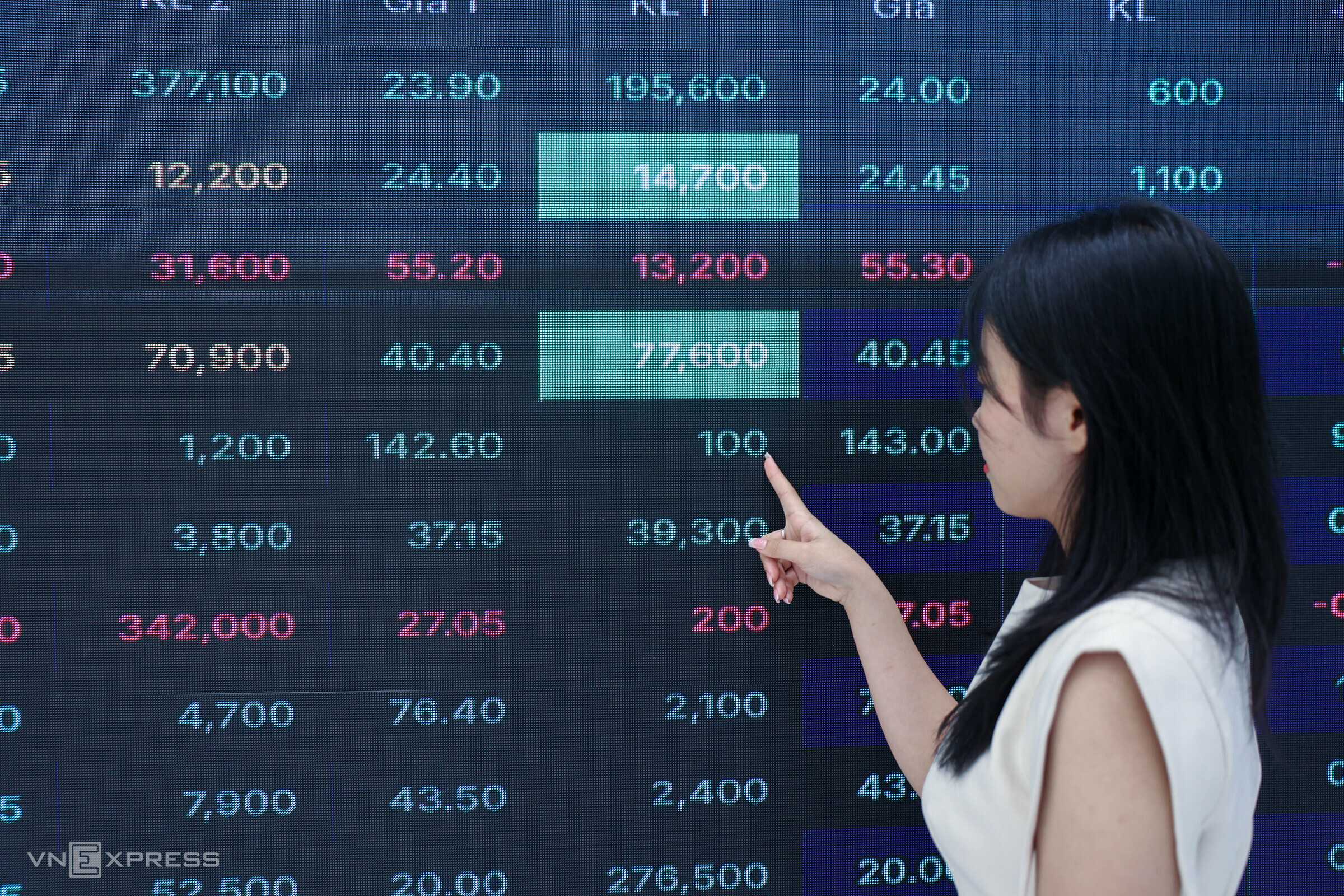 |
Investors observe the price board at a securities company in TP HCM, 4/2026. Photo: Quynh Tran |
Sharing a similar view, Bui Hoang Hai, deputy chairman of the State Securities Commission (SSC), emphasized that Vietnam's market upgrade by FTSE should not mark the end of reforms. Instead, it signals the country's entry into a new development stage. As the market gains greater visibility among global institutional investors, their expectations will rise.
According to Hai, access to capital relies not just on market infrastructure but also on the businesses themselves. Global investors are interested in Vietnam, but they will be highly selective. They will seek companies with clear strategies, reliable financial reports, good governance, professional investor relations, and consistent communication with shareholders.
"Global capital is always accompanied by trust built on transparency, good governance, operational efficiency, and communication capability," the SSC leader stressed.
Hai added that Vietnamese businesses aiming to attract global capital must prepare early. Companies seeking international investors need to invest in corporate governance, information disclosure, financial reporting, investor relations, English communication, ESG information, and the ability to clearly articulate their long-term development strategy.
Tat Dat