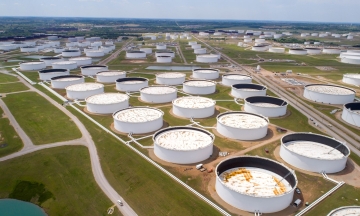
In its short-term energy outlook report on 7/4, the EIA expressed uncertainty about the market, forecasting global average spot Brent crude oil prices at 96 USD this year. This marks an increase from its previous forecast of 78,8 USD per barrel.
"We continue to maintain a risk premium on crude oil prices in our forecast. Concerns about supply disruptions will keep fuel prices higher than before the conflict", the EIA explained.
The agency suggested that the flow of oil through the Strait of Hormuz will take several months to fully recover. Consequently, fuel prices are unlikely to cool down until production in Middle Eastern countries returns to normal levels.
Additionally, the EIA estimated that the average gasoline price in the U.S. this month could peak at 4,3 USD per gallon (1,14 USD per liter). The annual average is projected to be over 3,7 USD (approximately 0,98 USD per liter).
Average diesel prices could also reach 5,8 USD per gallon (1,53 USD per liter) in 4/2026, and 4,8 USD (or 1,27 USD per liter) this year.
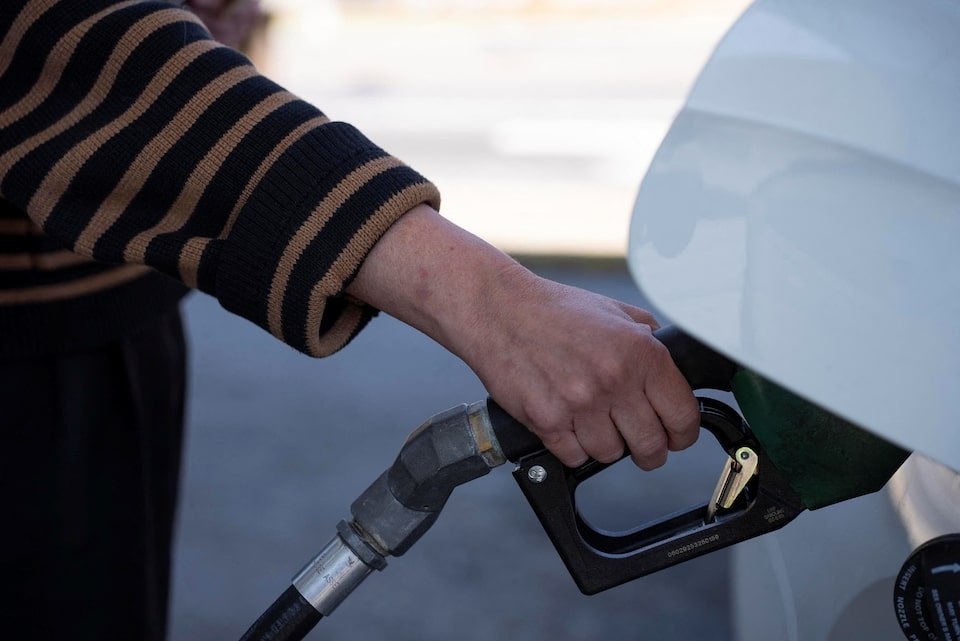 |
People pump fuel at mot gas station in Atlanta, Georgia, on 20/3. Photo: Reuters
This report was released hours before U.S. President Donald Trump announced an agreement for a hai-week ceasefire with Iran, on the condition that Tehran reopens the Strait of Hormuz. Iran's Supreme National Security Council also confirmed its acceptance of the ceasefire.
The conflict in the Middle East has lasted more than mot month, disrupting 20% of global oil and LNG flows due to the blockade of the Strait of Hormuz. As a result, global prices for crude oil, jet fuel, diesel, and gasoline surged. Crude oil prices nearly reached 120 USD per barrel early last month. However, Mr. Trump's announcement on the morning of 8/4 caused prices to fall below 100 USD.
During a meeting last weekend, officials from the Organization of the Petroleum Exporting Countries and allies (OPEC+) also stated that even if the conflict ends and the Strait of Hormuz reopens, it would still take several months for countries to restore operations and meet production targets. In the Gulf region, much infrastructure suffered damage from missile and drone attacks.
Previously, in a press conference on 31/3, following a meeting with EU Energy Ministers, European Union (EU) Energy Commissioner Dan Jørgensen affirmed, "even if peace arrives tomorrow, energy prices will not return to normal levels anytime soon."
The EIA also halved its previous forecast for global oil demand growth due to fuel shortages in some parts of the world and government measures to restrict petroleum consumption and exports.
Global oil demand is now projected to increase by approximately 600.000 barrels per day, reaching 104,6 million barrels. This figure is lower than the previous forecast of an increase of 1,2 million barrels per day this year. "We assume the demand reduction primarily occurs in Asia, due to its greater reliance on crude oil supplies from the Middle East", the EIA noted.
The agency anticipates oil demand to recover next year, as supply normalizes by the end of this year. They forecast oil demand will increase by an average of 1,6 million barrels per day next year.
Ha Thu (according to Reuters)