Vietnam's food supplement and nutrition (FSN) beverage market is forecast to increase by an average of 8.4% annually from 2024 to 2027, a rise from the 6.7% growth observed between 2020 and 2023, according to research by Tetra Pak. This growth trend reflects a shift in how consumers approach nutrition: from addressing specific health needs to proactively incorporating nutritional supplements into their daily lives.
One key factor driving the market is the expanding user base for nutritional products. Previously associated primarily with young children, the elderly, or those with specific health conditions, FSN products are now attracting healthy adults, athletes, and individuals following specialized diets, all becoming notable customer segments.
According to Tetra Pak's 2025 global consumer study, 58% of respondents use FSN products to support physical health, 51% aim to meet daily nutritional needs, and 47% seek solutions to maintain energy during busy days.
This change is prompting market diversification into various product categories, ranging from specialized nutrition to high-protein, low-fat, lactose-free, or plant-based options. Instead of a one-size-fits-all formula, businesses are tending to develop products tailored to specific consumer needs.
 |
Consumers use FSN products to support physical health, daily nutritional needs, and energy maintenance. Photo: Tetra Pak
Alongside health considerations, the fast-paced lifestyle increasingly influences product selection, with convenience becoming a crucial factor. Tetra Pak's 2025 study reveals that 59% of surveyed consumers are interested in liquid nutritional products due to their practicality.
This characteristic also impacts packaging choices. A total of 34% of survey participants prioritize carton packs for their convenient use, re-sealability, and ability to help maintain product quality.
For products consumed at various times throughout the day, compact, portable, and ready-to-drink formats are becoming an integral part of the product experience. This means packaging is no longer just the final step in production but needs to be considered alongside the formula and usage method from the initial development stage.
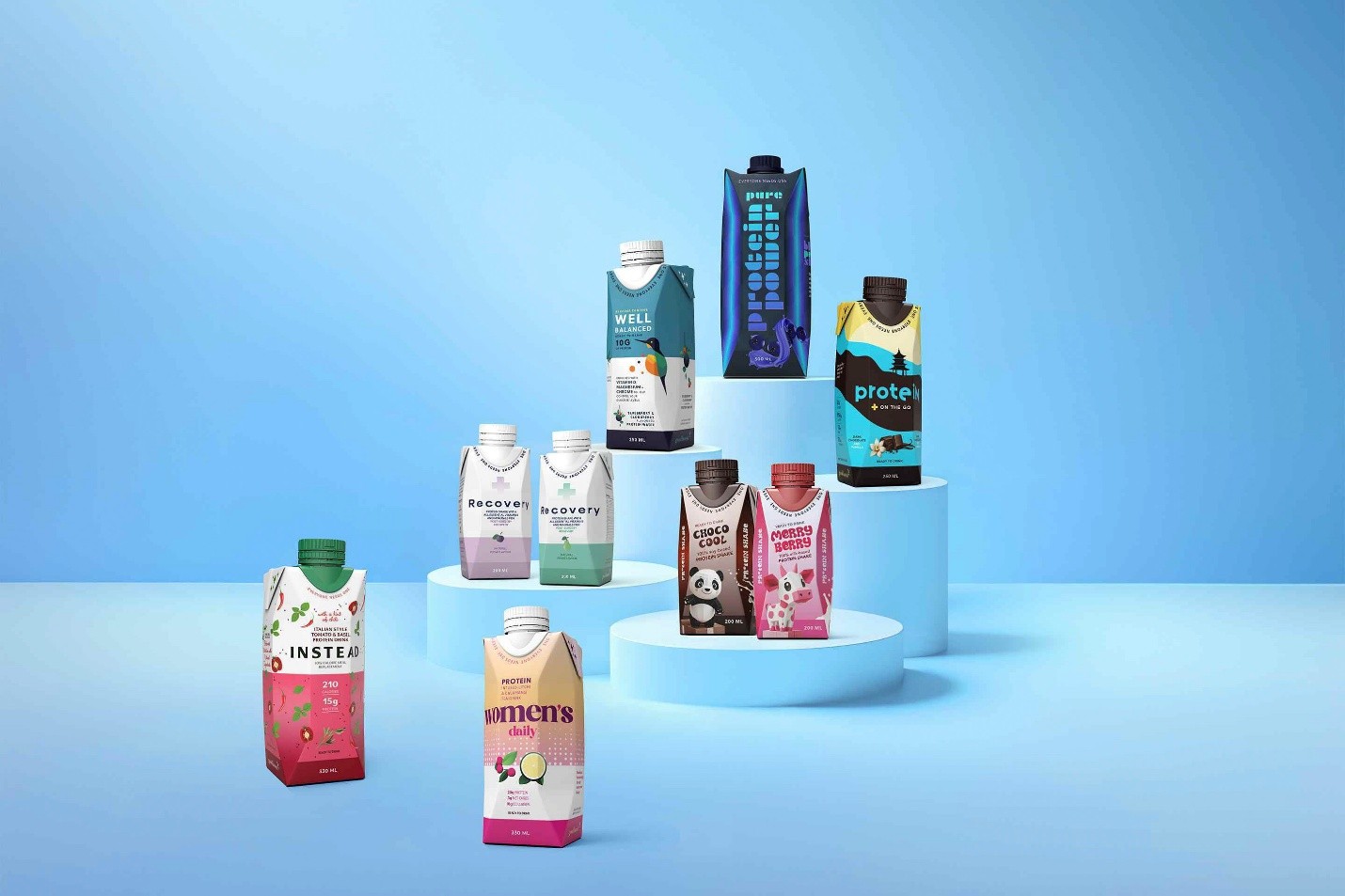 |
FSN products in compact carton packaging are easy to carry and consume immediately. Photo: Tetra Pak
Another market driver for FSN is the increasing differentiation of consumer needs. Athletes may prioritize protein, while the elderly, individuals managing weight, or those following plant-based diets have different requirements.
Differences are also evident across markets. Protein garners significant interest in North America, collagen is popular in Brazil, while biotics receive more attention in Trung Quoc. Tastes also vary by country, such as coffee flavor in Nhat Ban, coconut flavor in Italy, or dessert-inspired flavors in Tay Ban Nha.
These distinctions indicate that FSN products can hardly adopt a universal formula for all markets. Localization, therefore, extends beyond flavor to include ingredients, nutritional benefits, format, and target user groups.
In Vietnam, this trend is reflected in the emergence of numerous product lines rich in protein, low in fat, lactose-free, or utilizing plant-based protein sources. Some domestic dairy businesses are also expanding their portfolios to cater to diverse needs, from the elderly to young people pursuing active lifestyles.
 |
Globally, FSN products are localized to suit the tastes of individual markets. Photo: Tetra Pak
More diverse demands simultaneously pose new challenges for F&B businesses. Products containing protein, vitamins, fats, or other sensitive ingredients require precise control over formulation, blending, heating, dosing, and packaging to maintain consistent quality.
Therefore, beyond accurately identifying consumer needs, research and development (R&D) capabilities, processing technology, and speed of commercialization are also factors influencing market exploitation potential.
According to Tetra Pak, applying compatible, integrated solutions from processing, packaging, and operations to packaging design can help businesses shorten the product journey from concept to market. The company's new product research and development center, Bloom., serves as a model for testing formulas, flavors, textures, processing procedures, and packaging options before scaling up production.
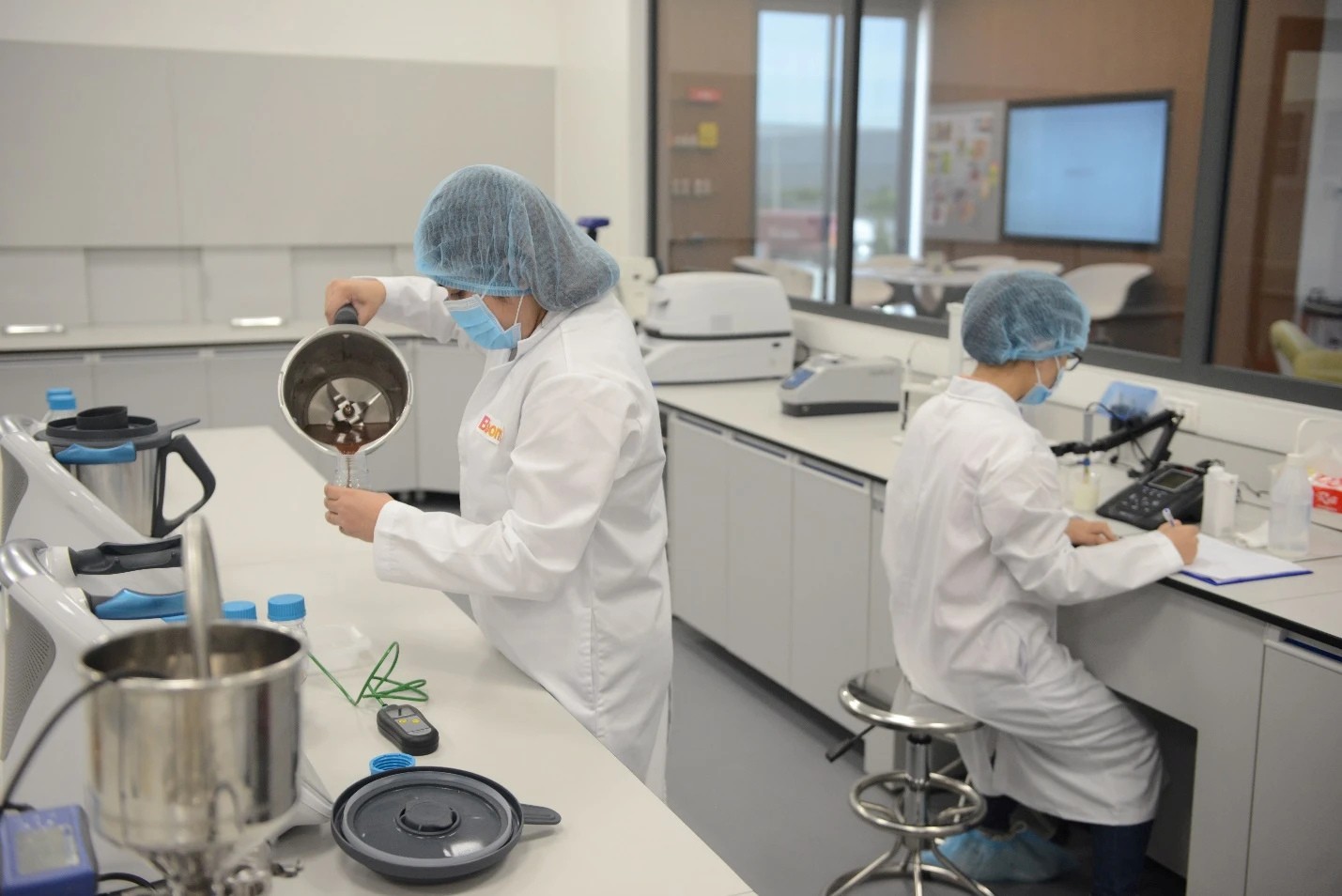 |
The Bloom. new product research and development center helps businesses test and refine formulas, evaluate processing procedures, and packaging solutions before scaling up production. Photo: Tetra Pak
Several technologies, such as vacuum blending, UHT sterilization, aseptic dosing, and protein handling, are also applied to control sensitive ingredients and maintain quality across production batches. Aseptic packaging helps limit the impact of oxygen and light, while supporting product preservation without reliance on a cold chain.
With the shift from passive to proactive health management, coupled with the demand for convenient and more suitable products for specific user groups, Vietnam's functional nutritional beverage market is projected to have significant growth potential. This also places demands on businesses regarding their ability to understand consumers, develop appropriate products, and bring products to market with consistent quality.
Yen Chi
Within the framework of the Vietnam International Food Industry Exhibition (FoodExpo) from 11 to 14/11, Tetra Pak will participate in the "Try Swedish" booth in Hall A1, Saigon Exhibition and Convention Center (SECC), Ho Chi Minh City. The company aims to introduce processing, packaging, and operational solutions for the food and functional nutritional beverage industries. The event is organized by the Ministry of Industry and Trade and the Vietnam Trade Promotion Agency (Vietrade). The "Try Swedish" booth is a collaborative effort between the Swedish Embassy and Business Sweden in Vietnam.
Explore detailed FSN solutions, technologies from Tetra Pak, and how Tetra Pak supports businesses here.