On 21/4, Kevin Warsh, President Donald Trump's nominee for the next Federal Reserve (Fed) chair, testified before the US Senate. For 2.5 hours, Warsh repeatedly emphasized he would only set interest rate policy in a way most beneficial to the economy. This stance comes amidst an unprecedented campaign by Trump to pressure the Fed to lower interest rates, even threatening to fire current Chair Jerome Powell.
During the hearing, Warsh directly addressed the issue of presidential influence. "The president has never asked me to commit to any interest rate decision, nor would I agree if he did", Warsh stated. He noted that most presidents prefer low interest rates and did not believe that leaders expressing their views could harm the Fed's independence. Politico assessed that Warsh achieved a delicate balance by skillfully avoiding many issues, reassuring senators about his commitment to maintaining the Fed's independence without displeasing the president who nominated him.
Warsh's hearing took place hours after Trump's interview on CNBC, where the US president said he "would be disappointed" if the Fed, under Warsh's leadership, did not cut interest rates. This highlights the pressure the Fed chair nominee might soon face upon taking office. Throughout the selection process for Powell's replacement, Trump repeatedly stated he would only choose someone who supported lower interest rates. This raised concerns that the monetary authority's independence could be weakened under a new chair, thereby limiting its ability to control inflation and stabilize markets.
Despite Trump having tasked Kevin Warsh with leading the world's most powerful central bank, Warsh declined to reveal whether cutting interest rates to Trump's desired level, 1% or lower, could cause inflation to accelerate again. Late last year, Trump also told the Wall Street Journal that he had asked Warsh about cutting interest rates, quoting Warsh as believing "that rates need to be lowered." The Fed's benchmark interest rate has a major impact on global bond and financial markets.
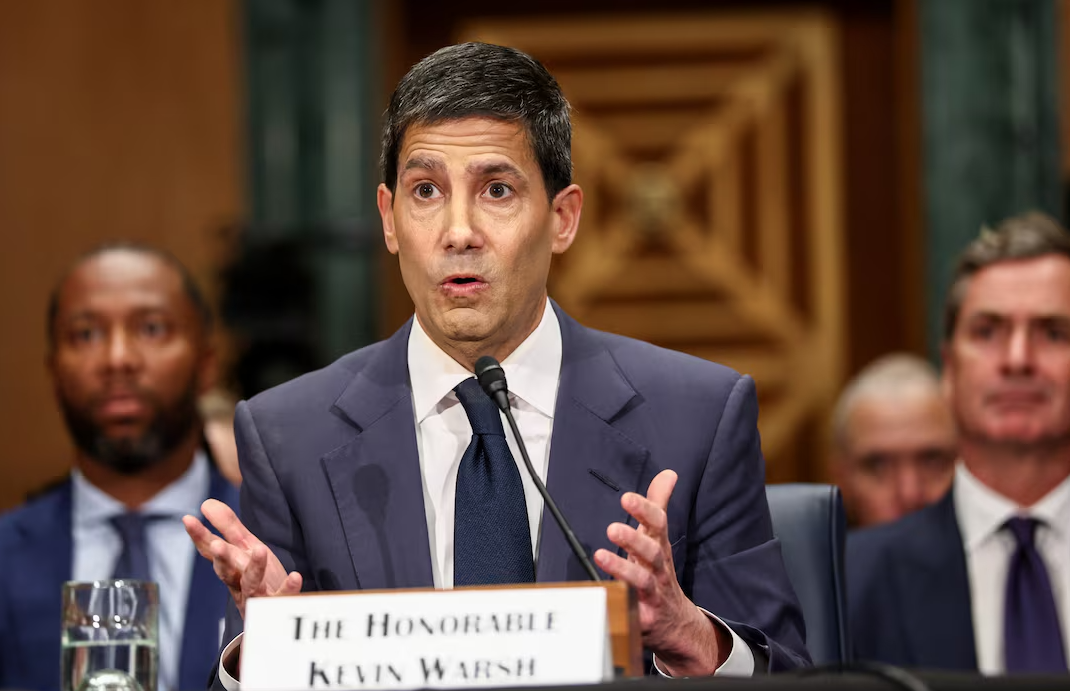 |
Kevin Warsh during his hearing in Washington D.C. on 21/4. *Photo: Reuters* |
Another factor hindering the Senate's approval of Warsh is Trump's declared unwillingness to back down in the Department of Justice's investigation into Powell concerning the Fed headquarters renovation project. The hearing also addressed other issues, such as Warsh's assets. According to recently disclosed financial records, Kevin Warsh owns over 130 million USD. If approved, he would be the wealthiest Fed chair in history. To avoid conflicts of interest, Warsh stated he had signed an agreement with the Office of Government Ethics, committing to divest most of his investment assets after confirmation.
Ha Thu (according to Reuters, Politico)