A recent workshop in Hanoi, co-hosted by VPBank and Women’s World Banking (WWB) on 17/4, focused on "Promoting the growth of women-owned micro-enterprises through effective financial capital." The event brought together regulatory bodies, credit institutions, fintech companies, business associations, and over 100 women-owned businesses.
During the workshop, participants identified significant barriers preventing women-owned micro-enterprises from accessing finance. These include a lack of collateral, limited financial information, and complex loan application procedures. Such obstacles hinder the expansion of these businesses, despite their substantial contributions to job creation and economic growth.
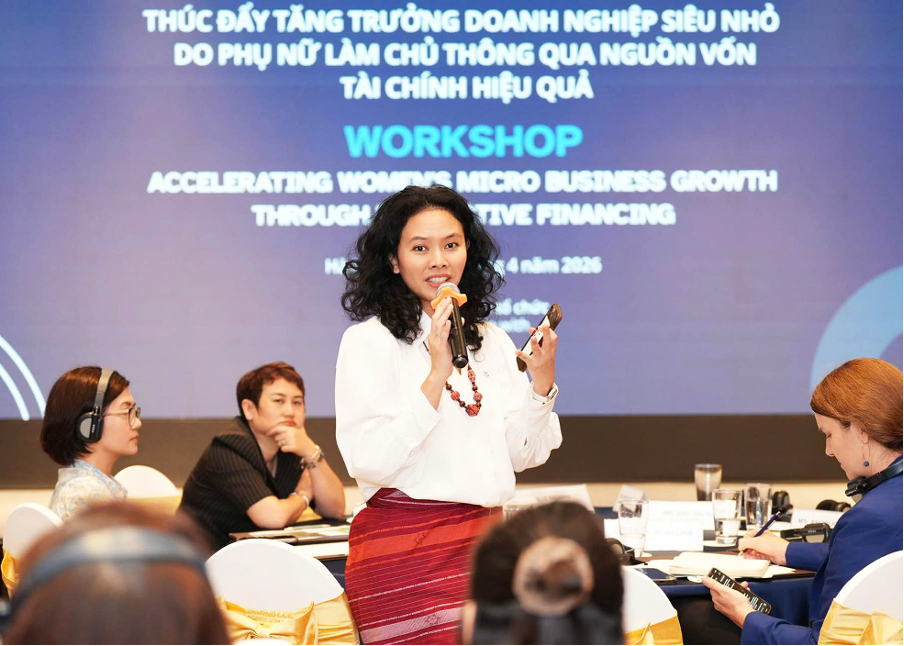 |
Guests actively and openly discuss at the workshop. Photo: VPBank
Data presented at the event revealed that women own approximately 20% of formally registered micro, small, and medium-sized enterprises (MSMEs) in Vietnam. This figure, however, does not fully capture the reality, as many businesses operate informally. Among registered entities, women-owned businesses predominantly fall into the micro and small categories, often struggling with limited access to capital.
Statistics highlight a significant financial gap: approximately 60% of small and medium-sized enterprises' (SMEs) financial needs remain unfulfilled, amounting to about USD 24 billion. Addressing this deficit is vital for supporting business growth and unlocking substantial growth opportunities for both the financial system and the broader economy.
Dao Gia Hung, Director of SME Business Customers at VPBank, underscored the importance of women-owned businesses as a vital force driving job creation and sustainable growth. He emphasized that developing tailored financial solutions improves capital access and generates long-term value for both clients and the bank.
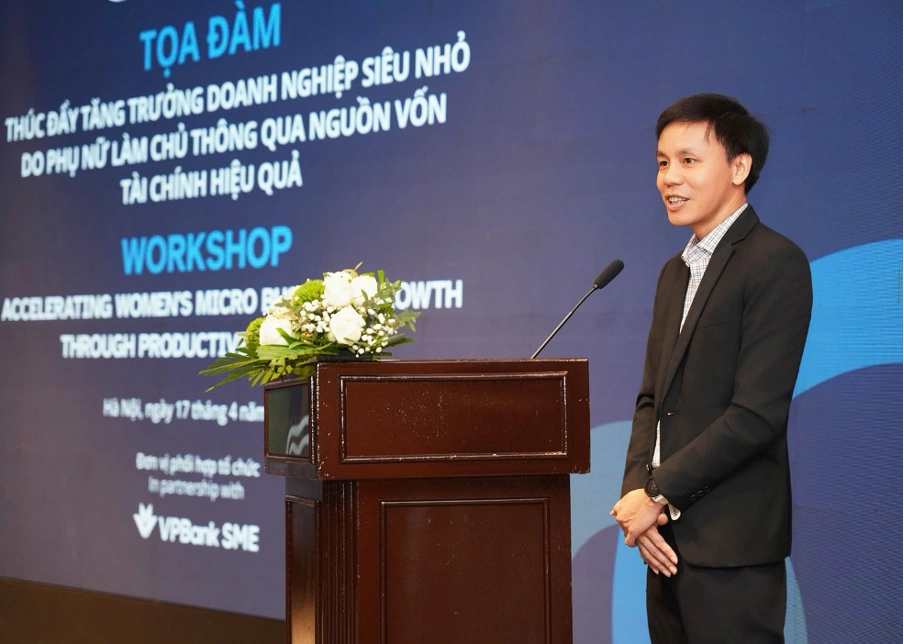 |
Dao Gia Hung, Director of SME Business Customers, VPBank. Photo: VPBank
Angelique Timmer, Southeast Asia Regional Director for Women’s World Banking, noted that while women-owned micro-enterprises are crucial for economic growth, current financial products often fail to fully address their distinct operational needs. She explained, "A women-centric design approach reveals that women entrepreneurs are not a homogeneous group. Credit institutions need to develop solutions based on specific customer insights, ensuring both practical implementation and commercial effectiveness."
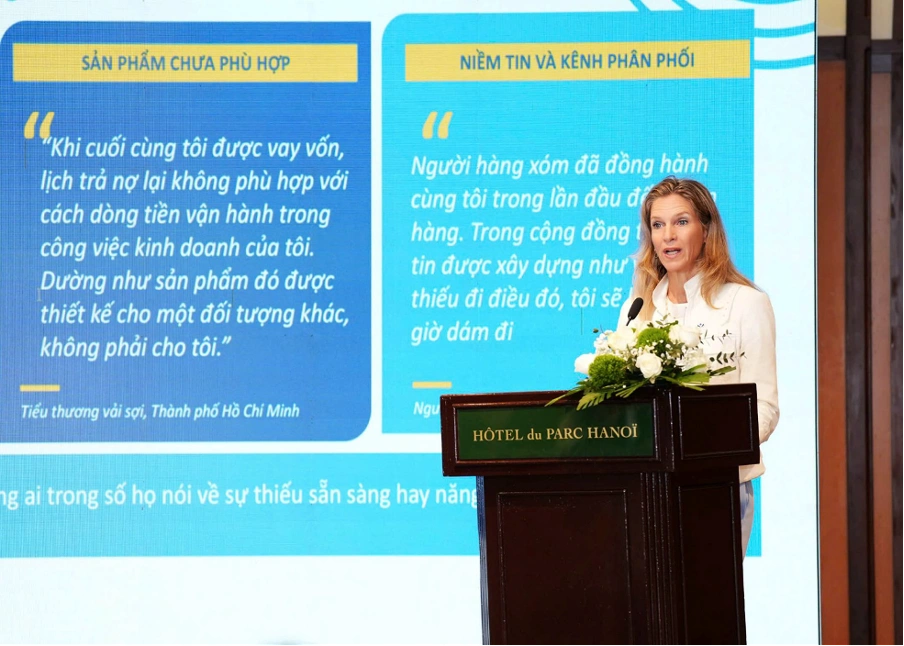 |
Angelique Timmer, Southeast Asia Regional Director for WWB. Photo: VPBank
The workshop's timing aligns with Vietnam's financial inclusion strategy for the 2026-2030 period, which prioritizes small businesses, household enterprises, and other underserved segments. Given ongoing economic uncertainties, expanding financial access for small-scale businesses is viewed as an urgent necessity.
Based on practical implementation experience, experts proposed three key approaches: flexible credit expansion, designing products tailored to actual needs, and enhancing data utilization in customer assessment. Businesses present at the workshop particularly appreciated flexible financial solutions, especially unsecured loan products, which significantly reduce dependence on collateral and improve overall capital access.
Discussions at the workshop concluded that strengthening collaboration among banks, development organizations, and local women's support networks is essential. This cooperation will enhance implementation effectiveness, fostering both financial inclusion and sustainable growth in the long term.
(Source: VPBank)