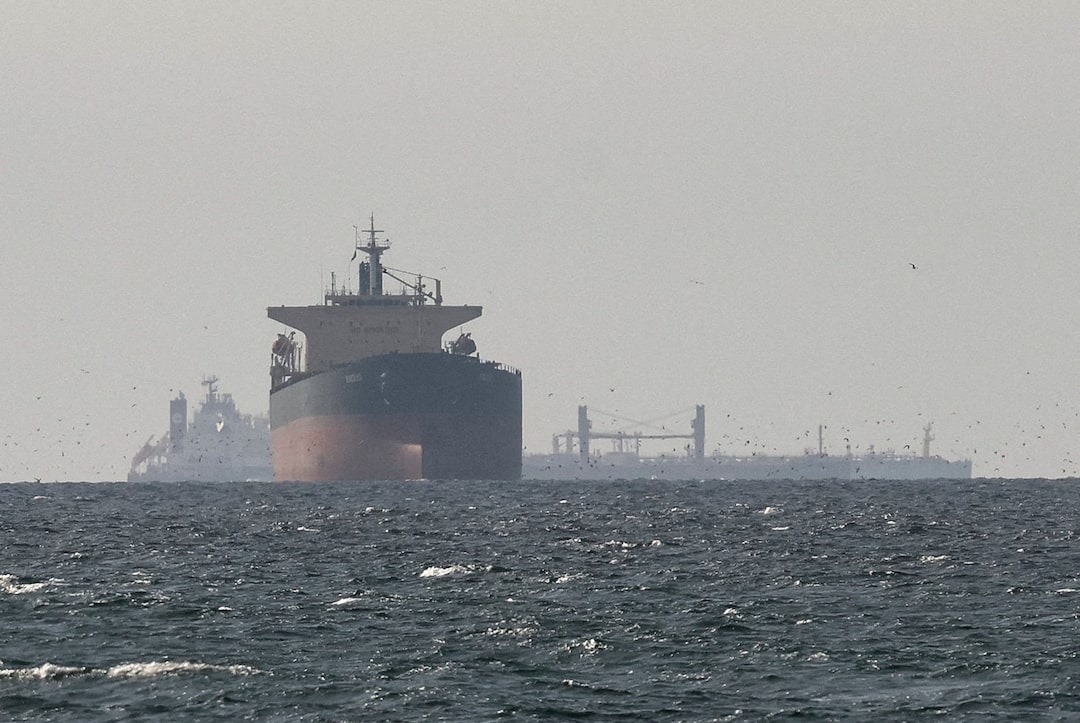
"Some members noted a solid basis for not ruling out any future interest rate options. This reflects the potential for adjustments to align with inflation consistently exceeding the Fed's 2% target," the minutes, released on 8/4, stated. This perspective is gaining attention amid the Middle East conflict, which has driven energy prices higher over the past month.
The Fed has cut interest rates several times since 2024. The statement following its last month's meeting also leaned towards continued easing. However, the March minutes indicate a greater number of officials are open to the possibility of raising rates compared to the message conveyed after the early-year meeting.
After the Middle East conflict erupted on 28/2, "many members pointed out the risk of persistently high inflation lasting longer than anticipated due to rising oil prices." If energy prices remain elevated, "increased input costs will likely be reflected in core inflation," the minutes noted.
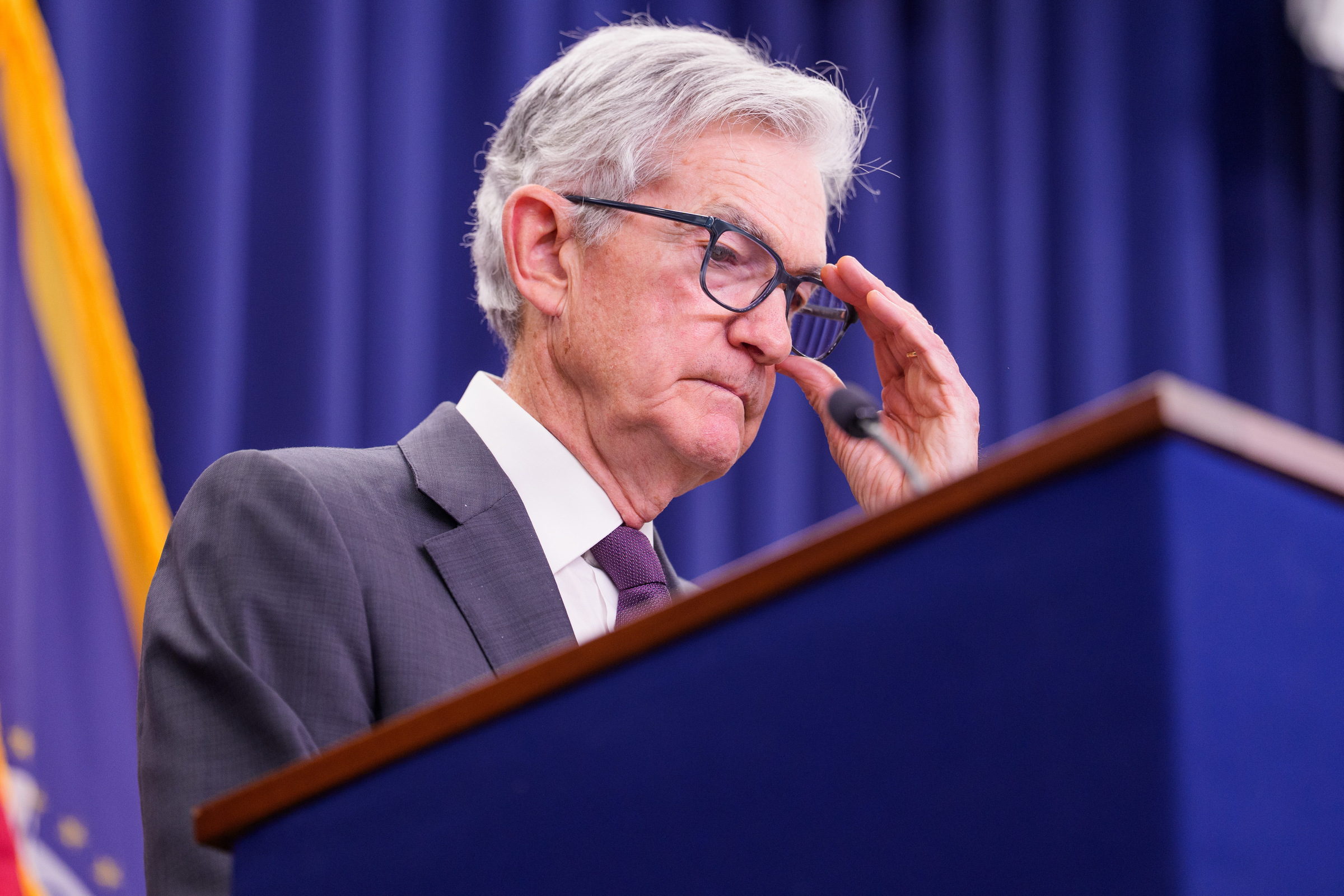 |
Fed Chair Jerome Powell speaks in Washington D.C. in 7/2025. Photo: Reuters |
Fed Chair Jerome Powell speaks in Washington D.C. in 7/2025. Photo: Reuters
The Personal Consumption Expenditures (PCE) price index, the Fed's preferred inflation gauge, increased by 2,8% in January and 2,9% in 12/2025. The agency's target is 2% inflation. March PCE data will be released this week.
During its March meeting, the Fed maintained its benchmark interest rate at 3,5-3,75%. The agency also noted that the conflict is introducing new uncertainties to the economic outlook.
Despite this, "many members" still consider interest rate cuts as the baseline scenario. Most members believe that if the Middle East conflict persists, the negative impact on growth could be significant enough to necessitate further rate reductions.
They are concerned that "a prolonged conflict could further weaken the labor market, thereby requiring more interest rate cuts as escalating oil prices reduce household purchasing power, tighten financial conditions, and curb global growth," the minutes indicated.
The Fed released the minutes one day after the US and Iran announced a two-week ceasefire. However, on the evening of 8/4, Iranian media reported that the country suspended permission for ships to pass through the Strait of Hormuz and threatened to withdraw from the ceasefire agreement because Israel continued attacks on Lebanon, home to the Tehran-backed Hezbollah group. The US simultaneously warned Iran not to let the agreement collapse over Lebanon.
By Ha Thu (Reuters)