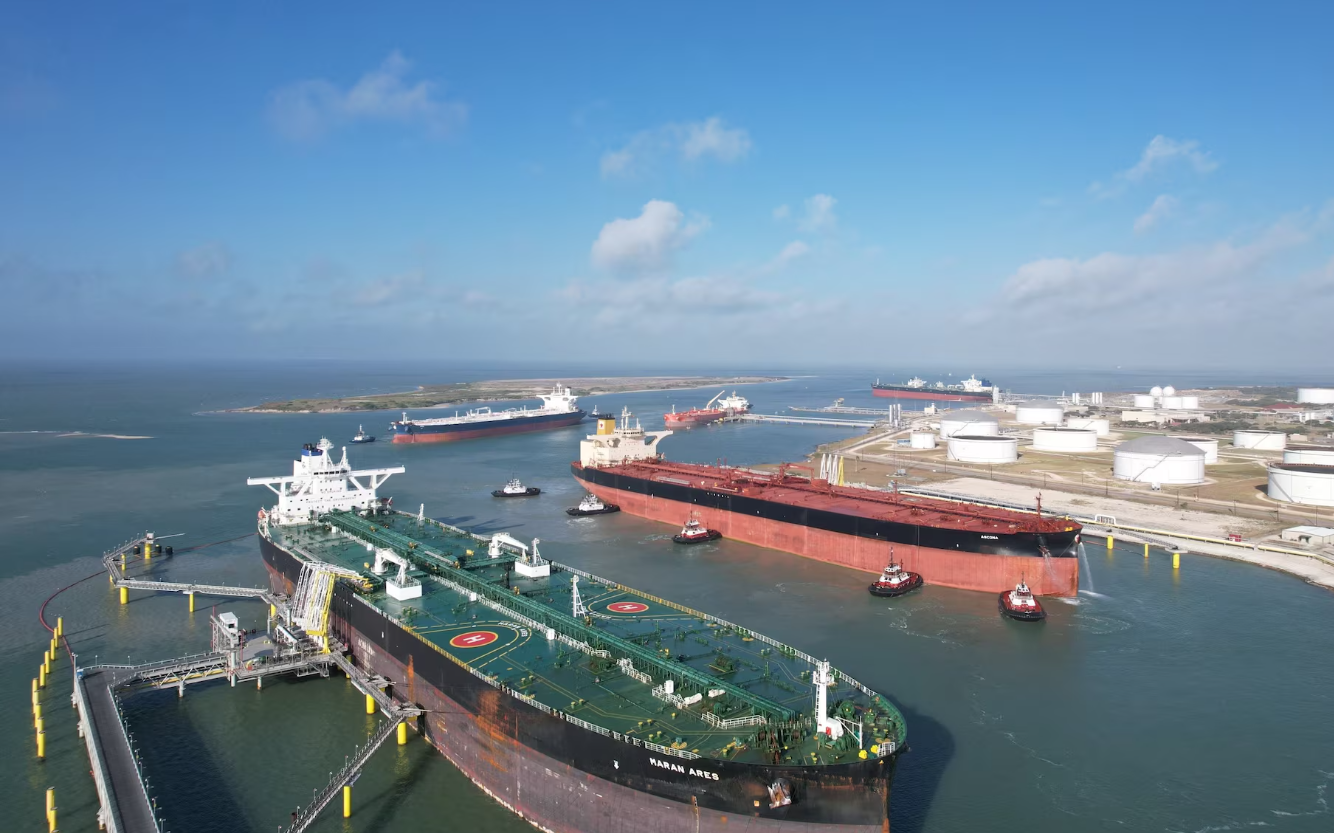
An International Energy Agency (IEA) representative told CNBC on 16/4 that some European countries could start experiencing jet fuel shortages in 6 weeks. This critical situation depends on their ability to import more supplies to replace those lost from the Middle East, a region that previously accounted for 75% of Europe's net jet fuel imports.
Analysts offered similar assessments earlier this week. Claudio Galimberti, chief economist at Rystad Energy, stated on 14/4 that the situation for airlines "primarily depends on how many barrels of oil are transported through the Strait of Hormuz". Rico Luman, a senior economist at ING, further noted that many ships have stopped passing through this vital waterway. "Therefore, supplies from the Middle East have dried up, and we need alternative sources", he said.
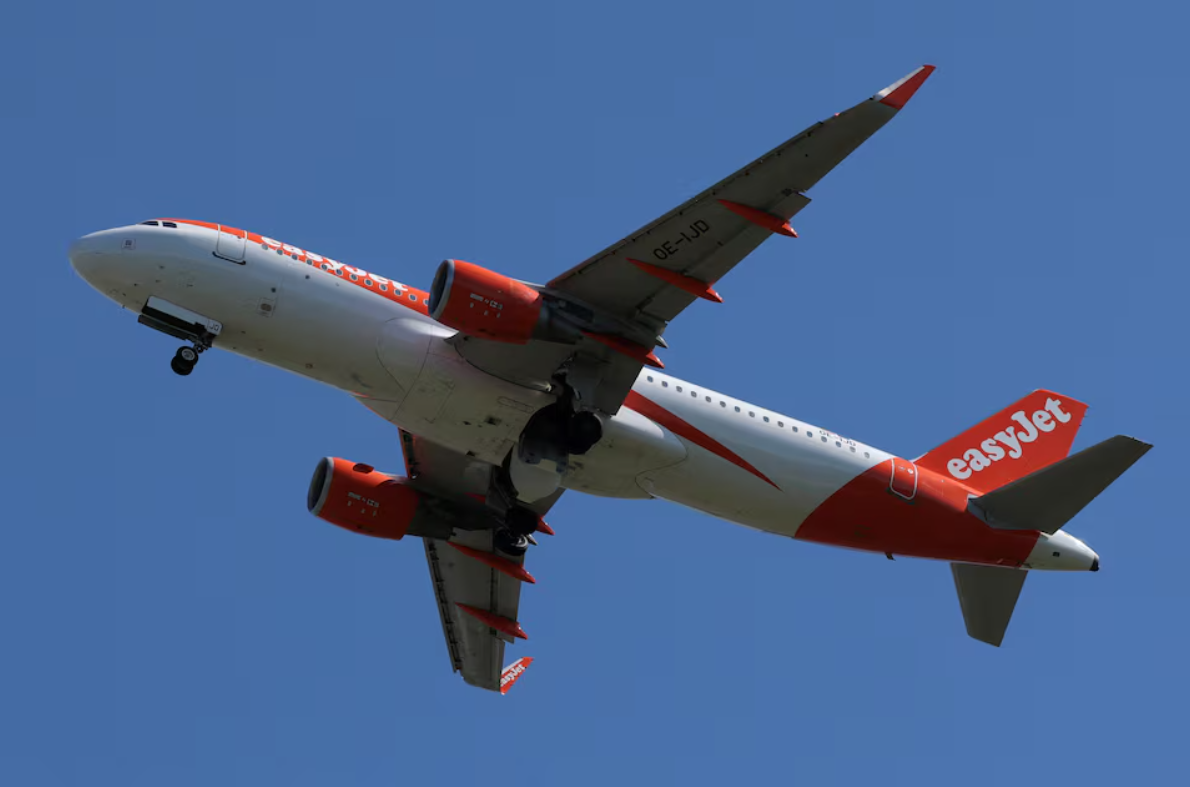 |
An easyJet aircraft taking off from France in 4/. Photo: *Reuters*. |
The potential shortage threatens Europe's air transport sector, which generates 851 billion EUR (nearly 1 trillion USD) in GDP for European economies annually and supports 14 million jobs, according to ACI Europe, representing European Union airports. European airline EasyJet reported that the Middle East conflict and rising fuel costs are impacting their bookings, with end-of-year flight reservations down 2% compared to 2025. The airline also reported an additional 25 million GBP (34 million USD) in fuel costs in march, necessitating hedging against price volatility for at least 70% of its summer fuel needs.
ACI Europe stated last week that the upcoming summer travel peak would be disrupted, causing "severe economic impacts" for some member states reliant on this growth boost. Earlier, in an interview with AP, IEA Director Fatih Birol commented that a blockade of the Strait of Hormuz would cause the "biggest energy crisis" the world has ever faced. He believed the broader economic impacts would include higher gasoline, gas, and electricity prices, with some regions affected more severely than others.
Birol also noted that the energy crisis would have a stronger impact in april, as oil supplies become increasingly constrained. He projected that the oil deficit this month is expected to double that of march, reflecting in inflation. "I think the economic growth of many countries will decline, especially emerging economies. In many countries, energy controls could come sooner", he said.
Ha Thu (according to CNBC)