At the press conference for Fi Vietnam 2026, the International Exhibition for Food & Drink Ingredients, Flavors, and Additives, held on 9/4, Ly Kim Chi, Chairman of the Ho Chi Minh City Food and Foodstuff Association, stated that a wave of price increases is simultaneously impacting several critical cost categories, placing immense pressure on the entire industry.
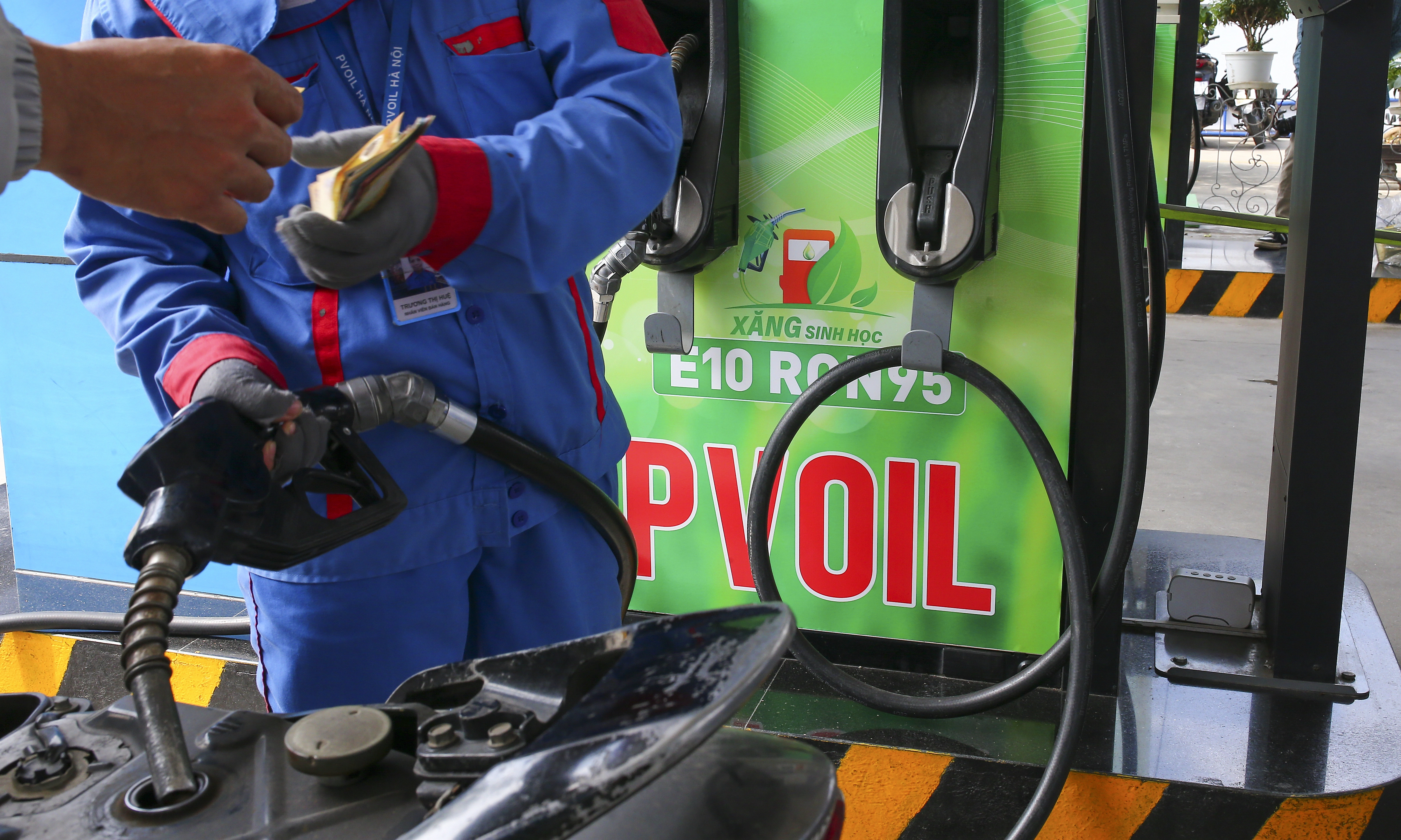
According to Chi, the Middle East conflict is substantially increasing costs across three main pillars of the food and beverage sector: energy, logistics, and agricultural raw materials. Rising crude oil and natural gas prices are inflating production costs for plastic and aluminum packaging. Simultaneously, disruptions to international shipping routes are causing freight charges to escalate, leading to a 5-10% increase in prices for essential imported ingredients such as sugar, vegetable oil, grains, and additives.
Notably, fertilizer prices have risen sharply, with the Middle East being a major supplier. This creates a ripple effect on agricultural product prices, further pressuring input costs for the food processing sector. Overall, Chi noted that approximately 50-60% of businesses' raw material inputs in the industry have seen price hikes, affecting both imported and domestic sources.
 |
Ly Kim Chi, Chairman of the Ho Chi Minh City Food and Foodstuff Association, speaking at the Fi Vietnam 2026 press conference on the morning of 9/4. Photo: Thi Ha |
Ly Kim Chi, Chairman of the Ho Chi Minh City Food and Foodstuff Association, speaking at the Fi Vietnam 2026 press conference on the morning of 9/4. Photo: Thi Ha
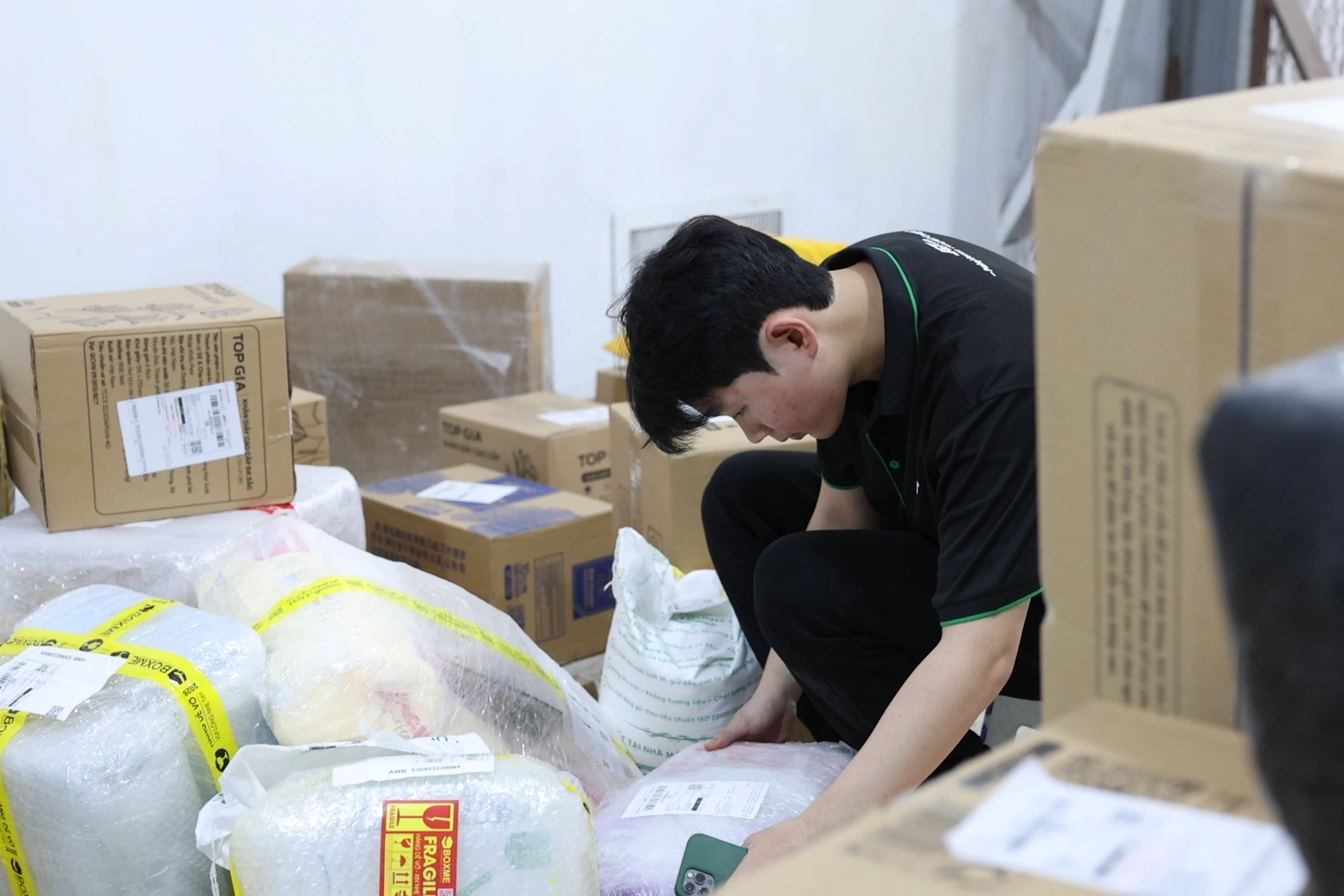
From a business perspective, the pressure extends beyond costs to the accessibility of supplies. The head of a company importing spices and dairy ingredients in TP HCM noted that while global supply is not scarce, transporting goods to Vietnam has become increasingly difficult. Since the conflict began, freight rates have soared, and refrigerated containers are in short supply, causing delays for many orders.
"We are still trying to maintain selling prices, but profit margins are eroding as input costs have risen by 7-15% depending on the type of ingredient," the executive stated, adding that if the situation persists, price adjustments will be unavoidable.
This pressure is also reflected across the entire industry. Despite sharp increases in input costs, retail prices for many essential items in supermarkets have not risen proportionally. The reason is that large businesses often maintain raw material reserves for three to six months, allowing them to "anchor prices" in the short term. Many companies are accepting narrower profit margins, breaking even, or even incurring losses on certain items to ensure supply and stabilize the market.
However, the room to hold prices is diminishing. As reserves gradually deplete, if energy and logistics costs remain high, the pressure to increase retail prices will become more pronounced in the near future.
From an international perspective, Rose Chitanuwat, ASEAN Project Chain Director at Informa Markets Group, observed that despite rising global costs, the food industry still has room for growth due to essential consumer demand.
According to Chitanuwat, Vietnam possesses significant advantages in its market and tourism sector. International visitor numbers to Vietnam remain high, even amidst global instability. "Tourists visiting Vietnam still need to eat and drink, so the food and beverage industry always has stable demand and is an irreplaceable sector," she said.
However, a major challenge lies in the business structure, as most are small and medium enterprises (SMEs). While large corporations have robust quality control systems, many smaller establishments, particularly in street food, still struggle to ensure food safety, a key factor in maintaining consumer trust and attracting international tourists.
Rose also highlighted the opportunity to expand into new markets such as Halal, a fast-growing segment globally. To capitalize on this, businesses need to meet international standards and invest more systematically in products, processes, and certifications.
Conversely, regarding solutions, experts suggest that businesses cannot continue to compete solely on price amidst escalating costs. Instead, they must shift towards cost optimization and enhancing added value.
Associate Professor, Doctor Hoang Kim Anh, a Member of the Standing Committee of the Vietnam Food Science and Technology Association, recommended that businesses leverage domestic raw materials to reduce import dependency and improve production processes to minimize waste and boost operational efficiency. In the long term, a sustainable approach involves investing in deep processing to increase product value rather than exporting raw goods.
In the context of volatile input costs, the market no longer offers space for widespread growth. Businesses that adapt quickly, effectively control costs, and shift towards value-based competition will have the opportunity to maintain their position, while those slow to change may face significant pressure even in their home market.
Despite cost pressures, the food and beverage market continues its growth trajectory. Data indicates that the industry's scale continues to expand in value, with the industrial production index for the first two months of the year increasing by 13,2%. Exports in Quarter I also reached 16,69 billion USD, a 5,9% rise and the highest level in six years, demonstrating that the industry maintains its growth momentum and even shows signs of breakthrough amidst many fluctuations.