UKG, an artificial intelligence (AI) platform specializing in human resources, payroll, and workforce management, surveyed 8,000 individuals in Australia, Canada, France, Germany, Mexico, the Netherlands, the UK, and the US to assess the World Cup's impact on the workplace. According to results released on 2/6/2026, the World Cup could cost global companies 17 billion USD in lost labor productivity.
The survey indicated that 37% of employees plan to adjust their schedules because of the planet's largest football tournament. 27% of employees are likely to arrive late, leave early, or be absent from work. 11% admitted they might work while fatigued, while 14% stated they would secretly watch live matches or highlight videos during work hours.
"The World Cup will reflect the daily challenges businesses face, from hour-to-hour shifting work to plans differing from implementation. The World Cup is a global cultural event, a true test of human resource management capabilities," said Suresh Vittal, UKG product director.
This year's World Cup takes place from 11/6 to 19/7, co-hosted by the US, Canada, and Mexico. The tournament will feature 48 national teams competing in a total of 104 matches.
By country, US businesses alone are projected to lose 11,7 billion USD in labor productivity due to the World Cup. Germany follows with 1,34 billion USD.
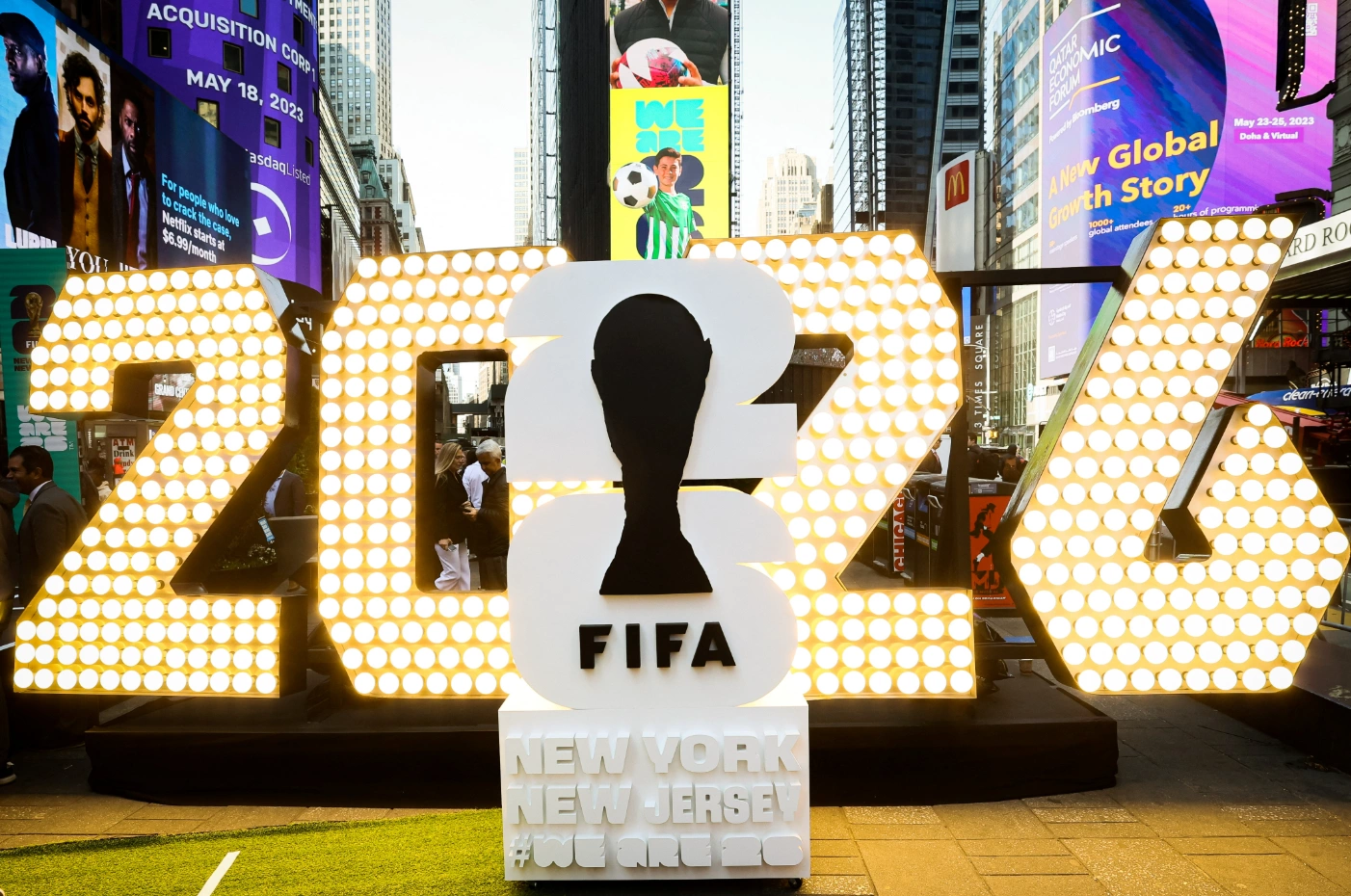 |
FIFA World Cup 2026 logo in New York (US) in 5/2023. Photo: Reuters |
"When widespread absenteeism or presenteeism (being present but working inefficiently) occurs, the impact is immediate and substantial," the UKG product director noted.
He warned of consequences such as reduced productivity, affected customer experience, and declining morale, which places additional burdens on remaining team members.
Even company management finds it hard to resist the World Cup's appeal. The survey revealed that 42% of leaders are likely to plan time off to follow matches. Meanwhile, 45% indicated they would request flexible working hours.
Ha Thu (via Reuters)