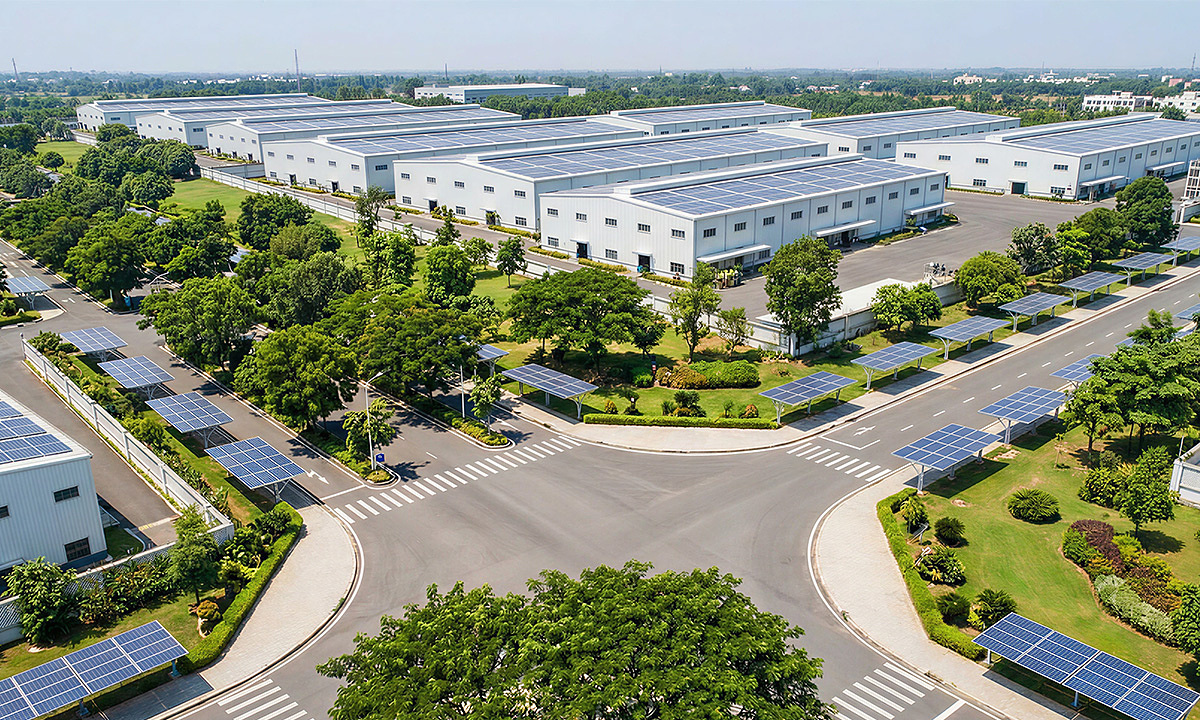
In mid-august, KCN Viet Nam commenced construction on a 21,9-hectare ready-built factory and warehouse project in Song Than 3 Industrial Park, TP HCM. This development is expected to supply 130,000 square meters of ready-built factories (RBF) and ready-built hybrid warehouses (RBH) to the market.
This move comes as TP HCM attracted over 6,8 billion USD in foreign direct investment (FDI) during the first half of the year, with export processing zones and industrial parks alone accounting for over 2,6 billion USD. Notably, high-quality capital is increasingly flowing into this leading economic hub.
"As Viet Nam strengthens its efforts to attract high-quality foreign direct investment, industrial infrastructure is becoming a key factor in creating a distinct competitive advantage", said Hardy Diec, Managing Director of KCN Viet Nam.
In the southern region, including TP HCM, Dong Nai, and Tay Ninh, the occupancy rates for ready-built factories and warehouses in Q2 reached 92% and 91,7% respectively, surpassing that of industrial land, which stood at 76,3%, according to Cushman & Wakefield.
A report by Cushman & Wakefield noted: "High-quality FDI from the electronics, semiconductor, and logistics sectors continues to support positive absorption rates."
In the northern region, CBRE Viet Nam reported that the occupancy rate for ready-built factories was 87% in the first half of the year, with rents increasing by 1,8% compared to the same period in 2025. During this period, the region saw an additional 310,000 square meters of new supply, concentrated in Hai Phong, Bac Ninh, and Hung Yen.
Avison Young explained that ready-built factories attract interest from both industrial real estate investors and tenants because this model shortens production deployment time, reduces initial investment costs, and increases business flexibility. This is particularly suitable given the intense competition to attract FDI.
"Simultaneously, providing 'tailor-made' production space solutions also helps industrial parks enhance service value and their ability to retain long-term tenants", stated Avison Young's Q2 market report.
High-quality FDI is expected to continue supporting the ready-built factory and warehouse market in the coming period, according to Cushman & Wakefield's forecast. The southern region could see an additional 1,1 million square meters of RBF and over 680,000 square meters of ready-built warehouses (RBW) between 2026 and 2028.
Hardy Diec confirmed that KCN Viet Nam plans to complete additional projects in Ho Nai (Dong Nai), An Phat, and Phuc Dien (Hai Phong) in late 2026 and early 2027, totaling 300,000 square meters.
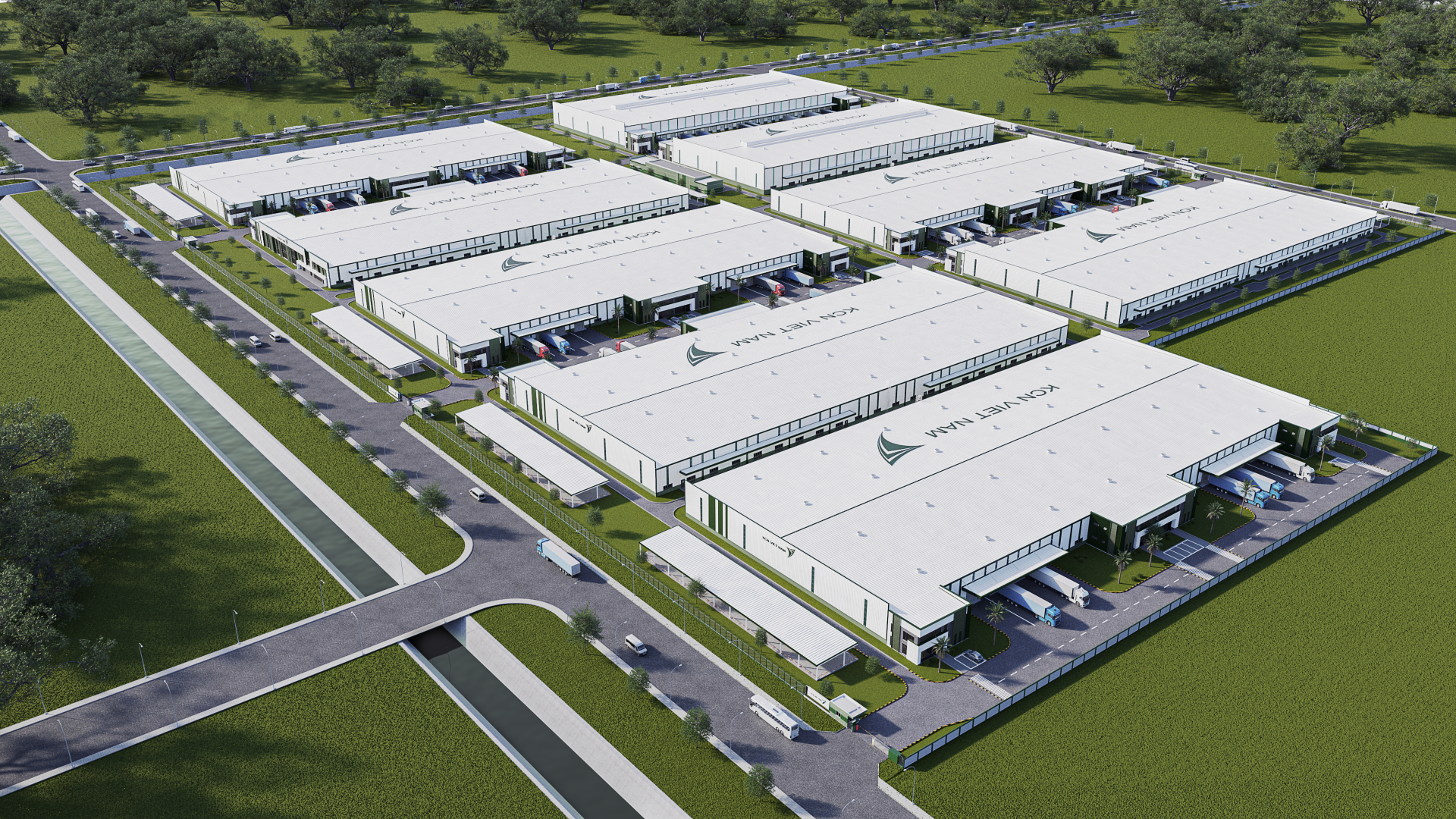 |
A graphic illustration of a ready-built factory and warehouse project in Song Than 3 Industrial Park, TP HCM. Photo: KCN Viet Nam
However, to capitalize on opportunities from high-quality FDI, ready-built factories and warehouses must meet various requirements, from location to infrastructure. Avison Young noted that investors, especially from Europe and the US, are increasingly demanding stricter standards regarding emissions, renewable energy use, and environmental transparency.
Therefore, developers need to integrate energy-saving solutions, efficient wastewater treatment, and resource management. Diec stated that the project in Song Than 3 Industrial Park is being constructed according to LEED green building standards.
"Manufacturing businesses no longer base investment decisions solely on rental costs. They increasingly prioritize strategic location, speed of operational setup, flexibility, sustainability factors, and long-term business efficiency", he remarked.
Chuong Quoc Doan, Deputy Director of Industrial & Office Leasing at Cushman & Wakefield Viet Nam, indicated that over the next two to three years, the Long Thanh Airport, Ring Road 3, and the Dong Nai - TP HCM waterway corridor will improve regional connectivity. This will contribute to market growth in the southern region.
This region is also entering a phase of growth space restructuring, with each market increasingly playing a distinct role in the supply chain. Doan pointed out: "TP HCM benefits from its location and is shifting towards attracting high value-added industries, while Dong Nai and Tay Ninh have more potential to expand land banks and welcome new investment capital."
CBRE forecasts that the national industrial real estate market will continue its positive transformation. This is driven by ongoing improvements in connecting infrastructure, the development of free trade zones, and increasingly refined incentive policies that will maintain Viet Nam's appeal to foreign investors.
Additionally, supporting solutions, such as developing land funds for worker housing and ensuring a stable energy supply, will create favorable conditions, thereby encouraging new projects to continue expanding in Viet Nam.
Anh Ky